Park So-dam Undergoes Surgery After Thyroid Cancer Diagnosis: “I Learned What Happiness Was Very Late” [Health Talk]
- Input
- 2026-09-10 04:20:00
- Updated
- 2026-09-10 04:20:00
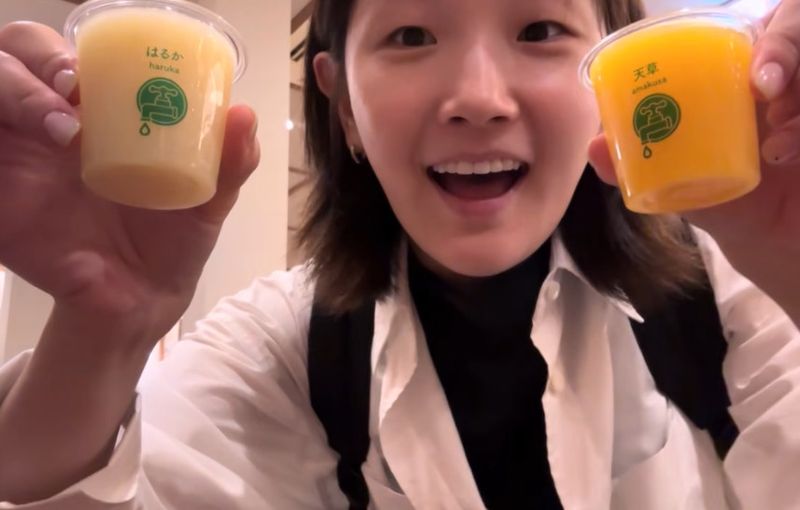
[Financial News] Actor Park So-dam shared how her daily life changed after undergoing surgery for papillary thyroid cancer. In her first YouTube video, released around her birthday, she explained why she seeks out nature and said, “I think I learned what happiness was very late in life.”
On the 8th, Park So-dam launched her personal YouTube channel, PARKSODAM, and uploaded a travel vlog from Matsuyama, Japan. The first video documents a solo trip she took this summer. After exploring accommodations, restaurants, and street scenes in the unfamiliar city, she explained at the end of the video why she started the channel.
She said, “I love nature so much. After I got sick, I think I looked up at the sky a lot more.” She continued, “I think I learned very late how grateful I should be for all of this and what happiness really is. That’s why I’ve been visiting many natural places these days. And I want to share them with you.”
Park So-dam was diagnosed with papillary thyroid cancer during a routine health checkup in 2021 and underwent surgery. At the time, her agency, Artist Company, announced that she had completed the surgery in accordance with her medical team’s recommendations and would focus on recovery. She later continued working on films and recently played Young-joo, the second daughter, in *The Journey to Gyeongju*.
Thyroid Cancer Is More Common Among Women
The thyroid is a butterfly-shaped endocrine organ located at the front of the neck. It produces thyroid hormones, which help regulate the body’s metabolism and temperature. A malignant tumor that develops in the thyroid is called thyroid cancer.
According to the National Cancer Information Center, thyroid cancer is classified by tissue type into papillary, follicular, medullary, and anaplastic cancers. Papillary thyroid cancer is known to be the most common type of thyroid cancer in South Korea. It generally progresses slowly, but treatment and follow-up plans vary depending on the cancer’s size and location, whether it has spread to the lymph nodes, and the patient’s age and overall health.
There are often no specific symptoms in the early stages. A palpable lump at the front of the neck, voice changes, difficulty swallowing, or a feeling of pressure in the neck may occur. However, these symptoms do not necessarily indicate thyroid cancer. If a nodule is found, its likelihood of being malignant is assessed through tests such as ultrasound and fine-needle aspiration.
Regular Checkups Are Still Needed After Surgery
Treatment for thyroid cancer is determined by the type and stage of the cancer and whether it has spread. Part or all of the thyroid may be removed surgically, with radioactive iodine therapy or thyroid hormone therapy added when necessary. The extent of surgery is decided by considering the tumor’s size, lymph node involvement, and the condition of the thyroid on the opposite side.
Patients who have their entire thyroid removed must take thyroid hormone medication. Some patients may also take hormone medication based on their doctors’ assessment. Thyroid hormone medication replaces hormones that the body lacks and may also be used to reduce the risk of recurrence.
After surgery, patients undergo follow-up monitoring to check for recurrence. The Korea Disease Control and Prevention Agency’s National Health Information Portal explains that a radioactive iodine whole-body scan can be used to check whether thyroid cancer has spread to the lymph nodes, lungs, bones, or other areas. Blood tests and ultrasound examinations may also be performed depending on the patient’s condition.
Thyroid cancer is known to have a favorable prognosis, but not every patient follows the same course. The treatment burden and prognosis may differ depending on whether the cancer has recurred only in the neck or spread to other organs, such as the lungs or bones. The National Cancer Information Center also explains that thyroid cancer that has spread to other parts of the body has a poorer prognosis than cancer that has recurred only in the neck.
Daily Care During Recovery Is Also Part of Treatment
During recovery after thyroid cancer surgery, patients may experience pain in the neck, voice changes, difficulty swallowing, or fatigue. Hormonal changes may also occur depending on how much of the thyroid was removed. If symptoms persist or worsen, patients should seek medical care to determine the cause.
Postoperative lifestyle management varies depending on the patient’s condition. Rather than starting strenuous exercise or an extreme diet on one’s own, it is important to follow the follow-up schedule and medication instructions set by the medical team. Patients who receive radioactive iodine therapy may also have separate dietary restrictions and lifestyle precautions before and after treatment.
In the video, Park So-dam did not disclose details of her treatment or her current medical care. She did, however, say that she began seeking out nature more often after her cancer diagnosis and surgery and wanted to share scenes from her daily life with her fans.
In the video description, she also wrote, “These days, I sometimes look up at the wide sky, take deep breaths, and find myself thinking about all sorts of things.”
[email protected] Han Seung-gon Reporter