Court Sides with Company in Fair Trade Commission Investigation... Hanwha Suspends Submission of Materials
- Input
- 2026-09-09 18:28:28
- Updated
- 2026-09-09 18:28:28
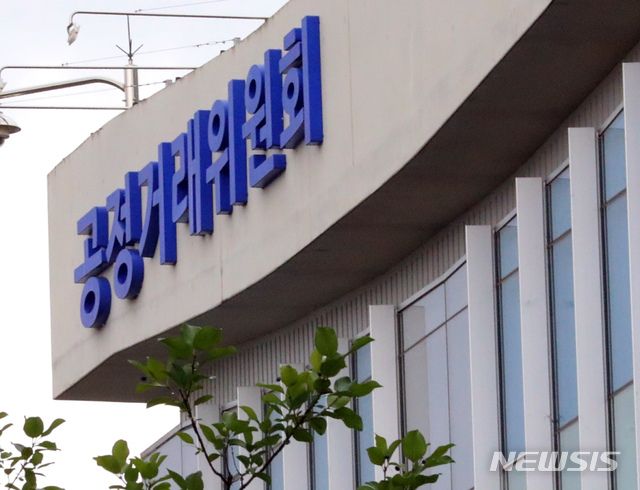
[Financial News] The court has suspended the effect of a document-submission order issued by the Fair Trade Commission against Hanwha Group. This is the first time a court has suspended the effect of a document-submission order issued by the Commission, allowing Hanwha to stop submitting materials, including text messages. However, because the court has not determined that the document-submission order or the investigation procedure was unlawful, the Commission plans to demonstrate their legality in the main lawsuit.
According to legal sources on the 9th, the Seoul High Court’s Administrative Division 7, presided over by Judge Kwon Soon-hyung, accepted an application filed by Hanwha and Person A seeking to "suspend the Fair Trade Commission’s document-submission order." As a result, the document-submission order imposed on them by the Commission will remain suspended until January 31 next year.
The panel explained, "If the disposition remains in effect, Hanwha could suffer harm that would be difficult to recover from, and there is an urgent need to suspend its effect to prevent such harm." It added, "There is also no evidence indicating that suspending the effect of the disposition would have a serious impact on the public welfare."
The Fair Trade Commission launched an investigation in July into allegations of intra-group transactions involving Hanwha Group’s brand usage fees. The two sides clashed during the investigation over the inspection of text messages related to the case. Hanwha argued that the Commission had failed to follow legal procedures during the investigation.
The Fair Trade Commission is known to have examined the text-message records stored on the mobile phone of Person A, an employee in charge of the relevant department. Hanwha maintains that the investigation was unfair because investigators directly operated Person A’s phone screen to access the messages and left the phone in the investigation room for more than 30 hours without issuing a custody record. The Commission, however, countered that there was no unlawful or coercive investigation of the kind Hanwha alleges.
Hanwha subsequently refused to submit Person A’s text-message records to the Commission, citing procedural problems. It also filed a lawsuit over a separate document-submission order issued by the Commission, leading to the court’s decision to suspend its effect.
Companies have generally refrained from raising significant objections during the Fair Trade Commission’s administrative investigations. Although lawsuits over penalty surcharges are common, companies have been reluctant to come into conflict with the Commission from the investigation stage.
Hanwha said, "We respect the court’s decision and will calmly participate in the main lawsuit going forward." It also stated, "We will cooperate as fully as possible with Fair Trade Commission investigations conducted lawfully."
Meanwhile, the Fair Trade Commission has been investigating Hanwha Group, CJ Group and others since late June over intra-group transactions involving brand, or trademark, usage fees. The investigation is intended to uncover practices that use brand usage fees as a channel for returning affiliate profits to holding companies.
According to data obtained by People Power Party lawmaker Lee Yang-su from the Fair Trade Commission, 80 of the 102 business groups subject to disclosure last year received a total of 2.2239 trillion won in trademark usage fees from 1,016 affiliates. This was an increase of approximately 65% from 2020.
[email protected] Lee Chang-hoon Reporter