Busan School Violence Victimization Response Rate at 2.9%; Higher in Elementary Schools Than in Middle and High Schools
- Input
- 2026-09-09 13:39:27
- Updated
- 2026-09-09 13:39:27
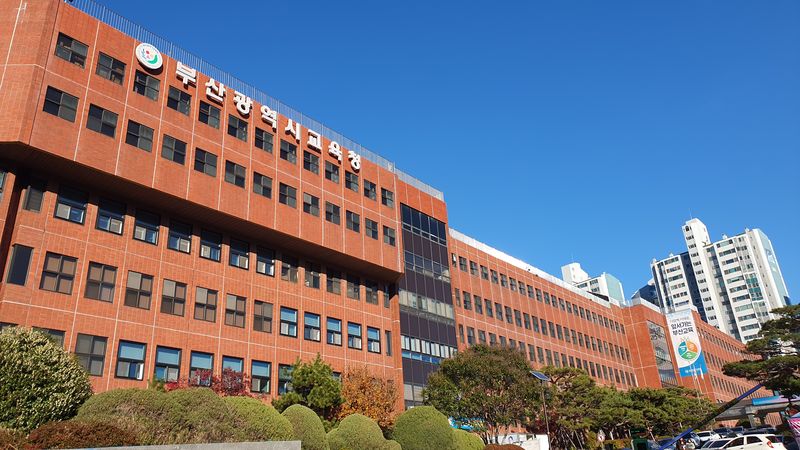
[Financial News] The school violence victimization response rate in Busan was 2.9% and has been rising since the COVID-19 pandemic. The rate among elementary school students was 6.2%, higher than the rates for middle and high school students.
The Busan Metropolitan City Office of Education announced on the 9th the results of the 2026 first school violence survey, a census conducted jointly by 16 metropolitan and provincial offices of education.
The survey was conducted online from April 14 to May 13 after being commissioned to the National Youth Policy Institute (NYPI). Of the 222,926 students from fourth grade of elementary school through third grade of high school, 208,170 participated, resulting in a participation rate of 93.4%.
Busan’s school violence victimization response rate was 2.9%, the same as the national average of 2.9%.
By school level, the rate was 2.1% for middle schools, 0.2 percentage points below the national average of 2.3%, and 0.7% for high schools, 0.1 percentage points below the national average of 0.8%. However, the rate for elementary schools was 6.2%, 0.5 percentage points higher than the national average of 5.7%.
Verbal abuse accounted for the largest share of victimization types at 37.1%, followed by group bullying at 16.3%, physical violence at 15.9%, extortion at 6.6%, coercion at 6.5%, and cyberbullying at 6.3%.
Because verbal abuse and group bullying accounted for more than half of all victimization types, the findings underscored the importance of prevention activities that identify conflicts arising from everyday language use and peer relationships at an early stage and resolve them through education.
Based on the survey results, the Busan Metropolitan City Office of Education will further strengthen its school violence response system by fostering a prevention culture based on participation by the educational community, ensuring fair case handling and student support with the protection of victimized students as the top priority, and reinforcing relationship restoration for educational resolution.
In particular, it will focus its prevention policies on elementary schools, where the victimization response rate was relatively high.
Beginning this year, schools will identify conflicts between students at an early stage and intervene educationally through elementary school school-violence prevention coordinators. The Relationship Restoration Deliberation Program, currently operated for students in grades 1 through 3 of elementary school, is scheduled to be expanded to all elementary grades, from 1 through 6, next year.
The survey also found that only 91.4% of students who had experienced victimization informed people around them, such as guardians, teachers, or friends. The education office plans to strengthen reporting and counseling systems within schools so students can more actively disclose victimization and seek help, while ensuring that necessary support reaches victimized students promptly.
After school violence occurs, protecting victimized students will remain the top priority. Through the School Violence Zero Center, investigations, psychological counseling and treatment, and legal support will be linked so that victimized students receive the assistance they need without delay.
Kim Seok-jun, the superintendent of education, said, "The results of this survey should be understood as a reminder that schools need to pay closer attention even to the small conflicts and difficulties students experience." He added, "While making the protection of victimized students our top priority, we will provide comprehensive support for prevention, early intervention, fair case handling, and relationship restoration to create schools where every student can grow safely and healthily."
[email protected] Kwon Byeong-seok Reporter