Generational Differences Also Shape Why People Read: 'Enjoyment' Through Their 40s, 'Information' From Their 50s
- Input
- 2026-09-09 13:46:12
- Updated
- 2026-09-09 13:46:12
According to YES24 on the 9th, the analysis covered 312,032 members who took the 'RBTI' reading-preference test from April 23 to July 31. The test results were linked to participants' book purchases and reading activity over the previous year.
RBTI classifies readers into 16 types by combining their reading styles, attitudes toward receiving information, approaches to exploring areas of interest, and reading purposes. Readers who finish a book from beginning to end accounted for 62.5% of all participants.
Among the categories, the completion-, empathy-, depth-, and enjoyment-seeking 'CEDF' type was the most common at 13.1%, followed by the completion-, analysis-, depth-, and information-seeking 'CADI' type at 12.6%.
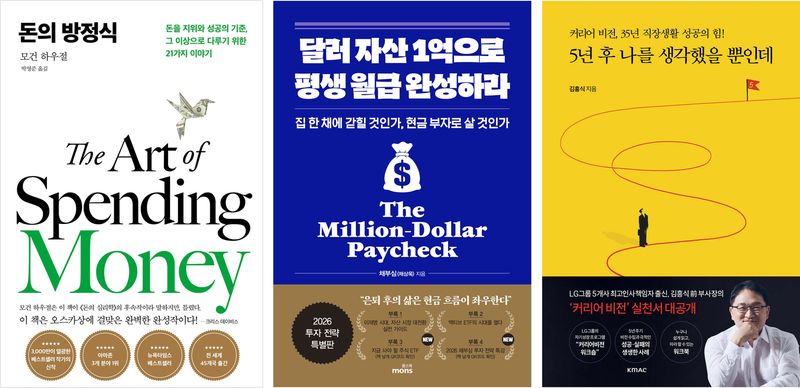
The leading type by age group was CEDF among people in their teens through 40s and CADI among those aged 50 and older. Seven of the top 10 books purchased by CEDF readers overall were novels, with Project Hail Mary and Honmono ranking near the top. Among the top 100 books purchased by CADI readers aged 50 and older, 30 were business and economics books.
The share of depth-oriented readers who concentrate on reading in areas of interest was 71.6% among teenagers and 66.6% among people in their 20s. Of the top 100 books purchased by depth-oriented readers in their teens and 20s, 61 were comics or light novels, compared with 27 among readers in those age groups overall. The genres accounted for a 34-percentage-point larger share of the popular-book lists for the two groups.
Selective readers, who choose and read only the parts they need, led in the number of books purchased. They bought an average of 10.2 books a year, more than the 9.9 bought by completion-oriented readers, and their average spending was about 30,000 won higher. Enjoyment-seeking readers wrote an average of 16.9 reviews, about 1.8 times the 9.6 reviews written by information-seeking readers.
However, because the findings are based on the preferences of people who took the test, it is difficult to interpret them as representing the reading habits of the entire population. The share of completion-oriented readers also does not indicate the actual rate at which books were finished.
YES24 plans to release the '2026 RBTI Reading Report' this month, containing each individual's purchase and review history.
Kim Ju-seong, head of the marketing division at YES24, said, "We will continue refining RBTI Lab so that we can provide personalized reading services to each of YES24's 20 million members."
[email protected] Jang In-seo Reporter