"Influenza Arrived Three Weeks Earlier Than Usual"...Hospitalizations Quadruple in 10 Days [Health Talk]
- Input
- 2026-09-09 08:41:10
- Updated
- 2026-09-09 08:41:10
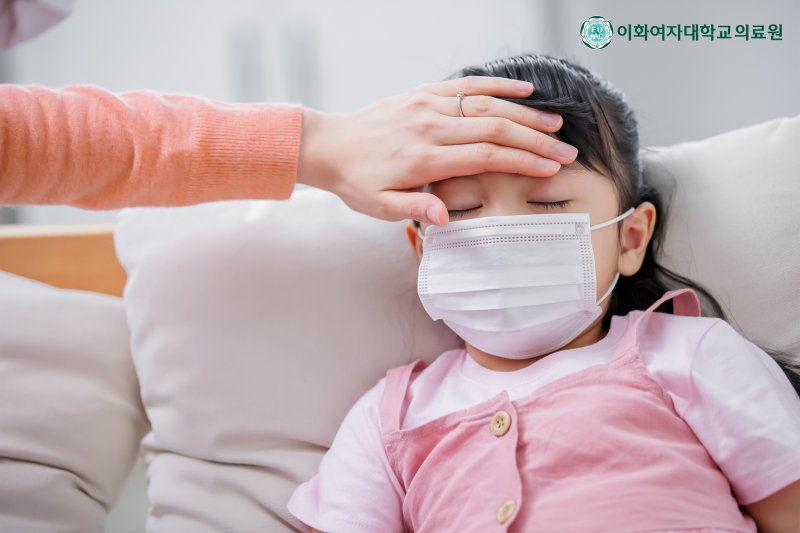
[Financial News] The influenza outbreak began more than three weeks earlier than usual. According to the Korea Disease Control and Prevention Agency (KDCA), the proportion of patients with influenza-like illness (ILI) at the end of last month exceeded twice the level recorded during the same period last year, while the number of hospitalized patients nearly quadrupled in 10 days.
According to infectious disease sentinel surveillance conducted by the KDCA, 13.3 influenza-like illness (ILI) patients were recorded per 1,000 outpatients visiting clinic-level medical institutions in week 35 of 2026. The figure rose for four consecutive weeks, from 7.0 in week 32 to 7.5 in week 33, 9.2 in week 34, and 13.3 in week 35. Compared with week 32, it increased by about 90% in three weeks, and it was also up approximately 45% in one week from week 34.
The increase in patients requiring hospitalization has been even steeper. The number of influenza inpatients at hospital-level medical institutions rose from 43 in week 32 to 78 in week 33, 89 in week 34, and 162 in week 35—an approximately 3.8-fold increase in three weeks. During the same period, the influenza virus detection rate also climbed from 5.7% to 5.4%, 10.0%, and 12.3%.
The early rise this year is even more pronounced compared with the same period last year. In week 35 of 2025, the ILI rate was 6.4 patients, the number of hospital-level inpatients was 15, and the virus detection rate was 1.1%. This year’s week 35 figures are approximately 2.1 times, 10.8 times, and 11.2 times last year’s levels, respectively. Last year, the ILI rate did not reach 12.1 until week 40. This year, however, it had already reached 13.3 in week 35, five weeks earlier.
As schools and daycare centers become more active with the start of the academic year, experts warn that attention is needed to community transmission, particularly among children and adolescents. Influenza usually resolves within several days, but in infants and young children, older adults, pregnant women, and people with chronic diseases, it can lead to complications such as pneumonia. Preparing before a full-scale outbreak is therefore important.
Influenza Differs From the Common Cold, and Symptoms Also Vary by Age
Influenza is an acute respiratory infectious disease caused by influenza viruses and is primarily transmitted through droplets released when an infected person coughs or sneezes. Infection can also occur after touching virus-contaminated hands or objects and then touching the eyes, nose, or mouth. The incubation period is typically one to four days.
Because it is commonly called the “flu,” influenza is often mistaken for a severe cold, but the symptoms are different. Colds often begin gradually with a runny or stuffy nose and a sore throat, whereas influenza frequently causes a sudden and severe fever of 38°C or higher, chills, headache, muscle aches, and fatigue. Respiratory symptoms such as coughing, sore throat, and a runny nose may also occur. Older adults and people with weakened immune systems may show only impaired consciousness or severe lethargy without a clear fever, requiring particular caution.
Eliel Nham, a professor of infectious diseases at Korea University Guro Hospital, said, "Symptoms of influenza usually improve within several days with appropriate treatment. However, in older adults, infants and young children, pregnant women, and people with chronic diseases, it can lead to complications such as bacterial pneumonia or worsen preexisting heart and lung conditions. If a high fever persists or there is difficulty breathing or severe weakness, it is important to seek medical attention immediately."
The viruses that infect children, adolescents, and adults are not inherently different, but symptoms and complications can vary by age. In children, gastrointestinal symptoms such as vomiting, nausea, and diarrhea are relatively common in addition to fever and coughing. Young children may develop complications including otitis media, croup, and bronchitis. Children under five, particularly those under two, are at higher risk of complications. School-age children and adolescents may also spread the virus quickly because they have extensive contact through group activities at school and private academies.
Adults typically experience systemic symptoms such as sudden high fever, chills, muscle aches, headache, and severe fatigue. Older adults, however, may not develop a noticeable fever, so changes from their usual condition—such as loss of appetite or lethargy—should be monitored. Older adults and people with chronic diseases also face a relatively higher risk that influenza will progress to pneumonia or worsen existing heart and lung conditions.
Professor Yoon Yoon-sun of pediatrics said, "When infants and young children become infected with influenza, they may experience a variety of symptoms in addition to coughing, including vomiting, diarrhea, and rashes, unlike adults. The younger the child, the more closely the risk of complications should be monitored. If a high fever continues, urine output decreases, the child is more lethargic than usual, cannot eat well, or appears to have difficulty breathing, parents should not dismiss it as an ordinary cold and should seek medical care."
National Vaccinations Begin in September...Eligibility for Children Expanded to Age 14
The most important measure for preventing influenza is to receive a vaccination every year. Because influenza viruses continually mutate, annual vaccination is recommended even for people who were vaccinated during the previous season or have previously been infected. Vaccination does not prevent infection 100% of the time, but it helps lower the risk of infection, ease symptoms, and reduce the risk of hospitalization and complications. Basic precautions are also important, including washing hands, practicing cough etiquette, avoiding crowded places, wearing a mask when necessary, and ventilating indoor spaces.
The KDCA will begin administering national influenza vaccinations for the 2026–2027 season in stages starting in September. This year, eligibility for the national vaccination program for children has been expanded from those aged six months to 13 years to those aged six months to 14 years. Children, pregnant women, and adults aged 65 and older who are eligible for national vaccination should receive their shots according to the schedule. Some children require two doses, so the number of doses and the schedule should be checked in advance.
Professor Yoon said, "Adults generally receive one influenza vaccination each year. However, children aged six months to under nine years who are receiving the vaccine for the first time or have received it only once in the past need two doses at least four weeks apart. Infants and young children are at high risk of complications if infected, so it is important for caregivers to check the child’s previous vaccination history and complete all necessary doses without omission."
Professor Nham said, "Influenza is a dangerous infectious disease that frequently causes serious complications in infants and young children, older adults, and people with chronic diseases. Because related indicators are rising earlier than usual this year, I strongly recommend protecting yourself with thorough handwashing and mask-wearing before vaccinations begin, and receiving the vaccine according to the recommended schedule once vaccination starts."
[email protected] Medical Specialist Jeong Myeong-jin Reporter