‘Assassin(s)’ Unveiled, With 2026 Set to Be ‘Yoo Hae-jin’s Year’... “The Focus Is on the Emotions of People in 1974, Rather Than the Mastermind Behind the First Lady Shooting”
- Input
- 2026-09-09 03:54:52
- Updated
- 2026-09-09 03:54:52
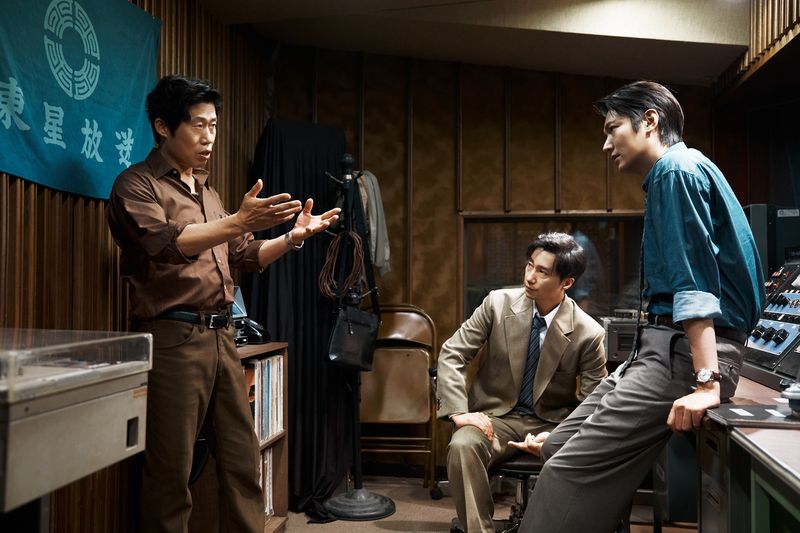
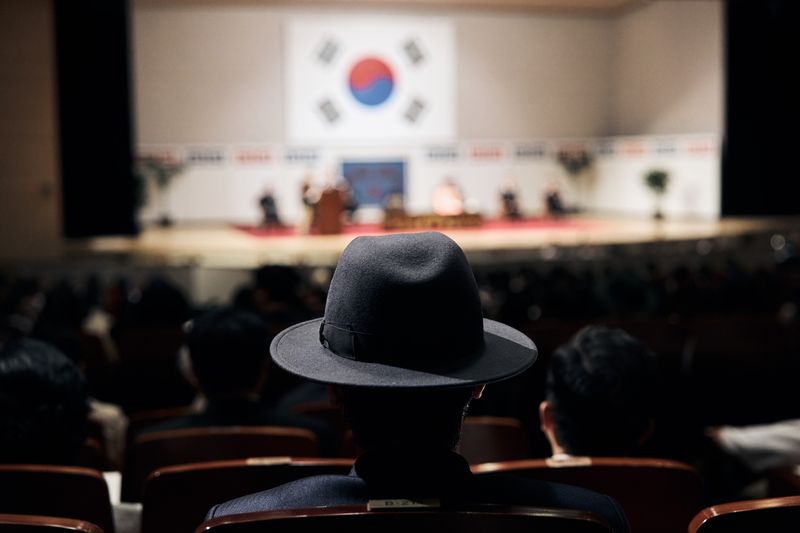
[Financial News] Director Hur Jin-ho said he sought to capture the emotions of people who lived through 1974 and the atmosphere of the era through his new film ‘Assassin(s),’ rather than definitively determining the truth behind the incident.
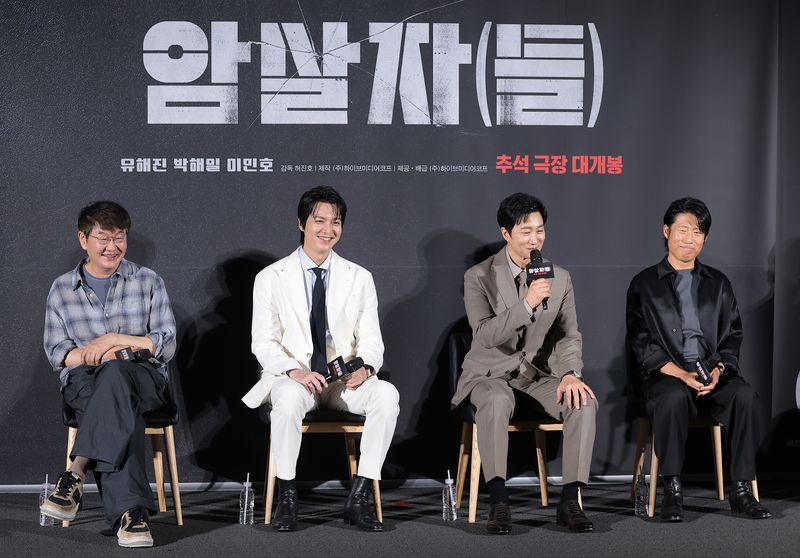
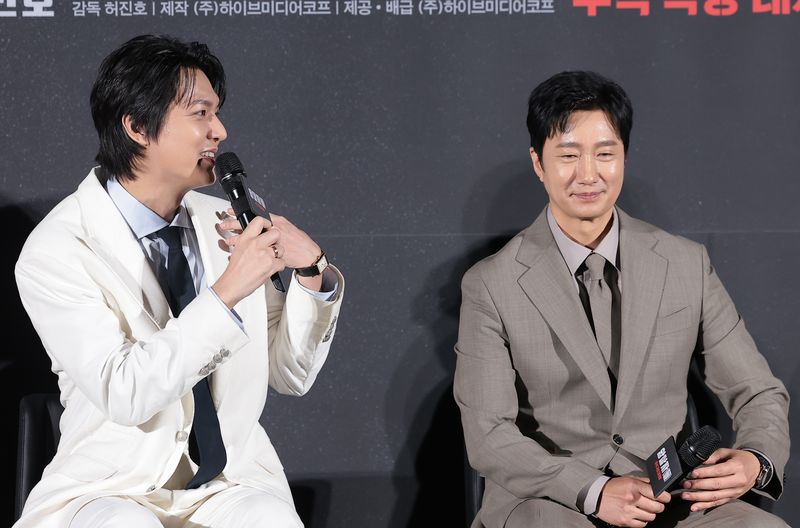
At a press conference following the media and distribution screening of ‘Assassin(s)’ at Megabox COEX Mall in Seoul’s Gangnam District on the 8th, Hur said, "This is not a film that began with the goal of uncovering hidden truths or revealing the mastermind behind the incident."
He explained, "Through the process of tracing the incident, I wanted to express the emotions of the people who lived through that era," adding, "Because something like the Declaration of Free Press Practice actually took place at the time, I incorporated that episode into the film."
Inspired by the 1974 shooting of First Lady Yuk Young-soo
‘Assassin(s)’ is a faction mystery thriller inspired by the 1974 shooting of First Lady Yuk Young-soo. During a live Independence Day broadcast watched by the entire nation, the first lady is shot in an unprecedented incident, and the suspect is arrested at the scene. The case is quickly closed, but Cheol-gu (Yoo Hae-jin), a detective responsible for security at the event; Jae-hwan (Park Hae-il), a newspaper city editor who looks into the hidden side of the case; and Young-il (Minho), a rookie reporter who witnessed the chaos that day, begin questioning the announced investigation results and pursuing the truth.
Hur also explained why the film gives considerable weight to the journalists’ stories. After laughing, he said, "When I watched the film with reporters, I became concerned about how they would view it and couldn’t concentrate very well." He continued, "‘Assassin(s)’ takes the form of a mystery thriller, but what I wanted to show was the era of 1974. To convey the significance of that period, I focused on the profession of journalism."
Park Hae-il, who plays city editor Jae-hwan, said, "Whether it is that era or the present, I think people are ultimately what show the atmosphere of an era," adding, "The starting point for speaking out for the truth also lies with people." He continued, "In Korean films, reporters have often been used as roles that appear only briefly. Characters treated as seriously as this one are rare, so I became curious after reading the script for the first time. I tried not to lose sight of the universal professional calling and responsibility that journalists should have."
Minho, who plays rookie reporter Young-il, discussed the film’s message by comparing it with today’s media environment. He said, "I feel that we live in an era where sensational headlines have become more important than the truth," adding, "With a surge in content from not only established media outlets but also individual YouTube channels, it has become difficult to distinguish what is true from what is false." He continued, "I found myself longing for the convictions toward the truth held by people from an era I never experienced," adding, "I acted with the desire to become that kind of person myself."
Everyday life that evokes nostalgia and the violent landscape of an era
The carefully recreated spaces of the period also played a major role in helping the actors immerse themselves in their 1974 characters.
Minho recalled, "When we first filmed in the newspaper’s newsroom, they even filled the space with thick cigarette smoke," adding, "The atmosphere of the period had been recreated in such detail that it was easy to immerse myself in the role."
Park Hae-il also said, "It felt as though I were being drawn into a newspaper office in the 1970s," adding, "The newspaper office was so impressive that I felt I had to convey the realism of the space properly."
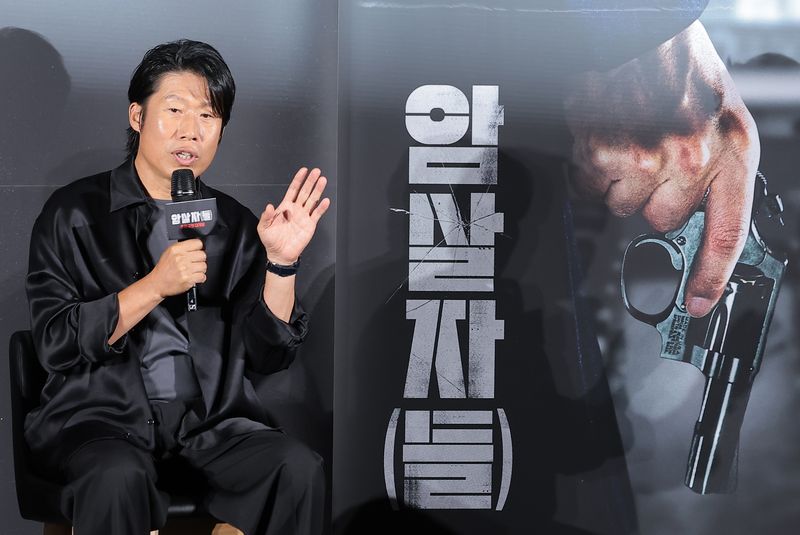
For Yoo Hae-jin, Cheol-gu’s house and alley brought back memories of his childhood. He said, "When I think of that time, the first thing that comes to mind is playing in the alleys," adding, "We filmed in a redevelopment area in Daejeon, and the house and alley naturally brought back old memories."
Actors in major and supporting roles—including Bae Seong-woo, Uhm Ji-won, Park Ji-hwan, Park Hoon, Ryu Hye-young, Jang Ryul, Choi Yu-ri, Ryu Kyung-soo, Kim Dae-myung, Shim Eun-kyung, Park Hae-joon, Park Sung-hoon, Oh Jung-se, Shin Hyun-been, and Jung Woo-sung—appear in roles both large and small, filling out the era’s landscape in greater detail.
Regarding the actors who worked with him, Hur said, "They were all actors I had wanted to work with," adding, "Each of them came with considerable thought about their respective characters, and we discussed them together."
[email protected] Shin Jin-a Reporter