"U.S. Underestimates Iran’s Economic Resilience, Which Is Built on a Strong Self-Sufficiency Base"
- Input
- 2026-09-09 02:45:09
- Updated
- 2026-09-09 02:45:09
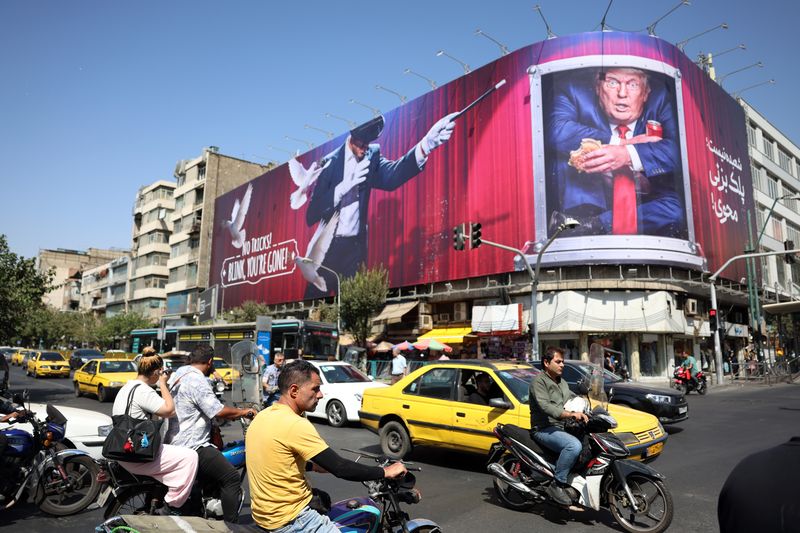
The United States is underestimating the resilience of Iran’s economy, Mohammad Eslami, a research fellow at the University of Tehran, claimed.
In an interview with Al Jazeera on the 8th (local time), Eslami said Iran’s economy had demonstrated strong resilience and the ability to recover despite U.S. sanctions and attacks.
He emphasized that Iran continues to export crude oil, petrochemical products, and minerals through the Strait of Hormuz despite the U.S. blockade, adding that its land routes also remain open.
Eslami said, "Americans are once again misjudging Iran’s economy," adding, "They dream of the collapse of Iran’s economy, but they do not understand the extent of its resilience." He went on to say that Iran’s economy is decentralized rather than centralized and that its strong domestic self-sufficiency base means it will not easily collapse.
The remarks appear to have been made in response to reports that Iran’s economy is on the verge of collapse because of the U.S. economic blockade.
The Wall Street Journal (WSJ), citing maritime intelligence firm Kpler, reported the previous day that not a single drop of Iranian crude had crossed the maritime blockade line since the United States resumed its naval blockade in July. If Iran’s crude oil exports, a key source of revenue, are halted, one-third of the Iranian government’s budget would be left unfunded, while the Islamic Revolutionary Guard Corps would also lose its financial lifeline.
[email protected] Song Kyung-jae Reporter