COVID-19 Hospitalizations Rise for Sixth Consecutive Week, Raising Concerns About Simultaneous Influenza Outbreak
- Input
- 2026-09-09 04:40:00
- Updated
- 2026-09-09 04:40:00
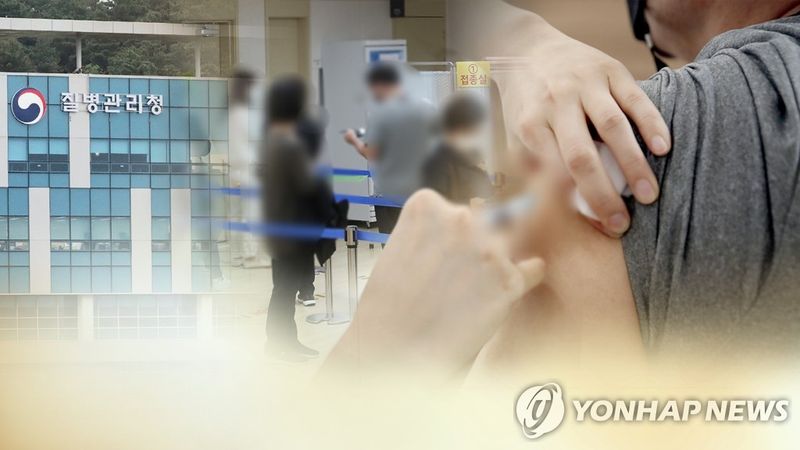
[Financial News] As the influenza season began about a month earlier than usual, the number of COVID-19 hospitalizations has also risen for six consecutive weeks.
According to the Korea Disease Control and Prevention Agency (KDCA) on the 9th, the influenza-like illness rate during week 35 of the previous season (August 23–29) was 13.3 cases per 1,000 outpatients. This was a sharp increase from 9.2 cases the previous week and more than double the 6.4 cases recorded during the same period last year. The virus detection rate was 12.3%, more than 10 times higher than the 1.3% recorded during the same period in 2024 and the 1.1% recorded in 2025.
Influenza hospitalizations at hospitals increased from 43 patients in week 32 to 162 in week 35. During the same period, the number of influenza patients visiting emergency rooms rose from 373 to 1,606, more than quadrupling. By age group, the influenza-like illness rate was highest among elementary school students aged 7 to 12, at 36.5 cases. The rates were 22.6 cases among children aged 1 to 6 and 14.6 among those aged 13 to 18.
The KDCA believes that the influenza-like illness rate this week—week 36, from August 30 to September 5—is highly likely to exceed the threshold for issuing an outbreak advisory. The virus most commonly detected in South Korea is influenza A (H1N1)pdm09. The KDCA expects vaccination to be effective because the virus shows a high neutralization rate against the vaccine strain for this season. No genetic mutations associated with treatment resistance have been identified, so antiviral treatment remains available.
Influenza cases are also increasing in Japan and southern China. In Japan, the number of reported influenza patients per medical institution during week 35 was 1.76, exceeding the outbreak threshold of 1.0. This was about five times higher than the 0.35 recorded during the same period last year. Excluding the 2009 Influenza A (H1N1) pandemic, this is the earliest outbreak since sentinel surveillance began in 1999. The positivity rate in southern China also rose to 17.7%, up from the previous week.
COVID-19 hospitalizations have also increased. There were 109 COVID-19 inpatients in week 35, fewer than the 406 recorded during the same period last year, but the figure has risen for six consecutive weeks since reaching 48 in week 32. The COVID-19 virus detection rate more than doubled, rising from 5.7% four weeks ago to 11.7%.
With influenza and COVID-19 both increasing ahead of the Chuseok holiday, concerns about a “twindemic” are also growing.
The KDCA plans to proceed with vaccinations for high-risk groups as scheduled. Influenza vaccinations will begin on the 21st for children aged 6 months to 14 years and pregnant women. Starting on the 28th, the program will expand to children eligible for a single dose.
People aged 65 and older will be able to receive influenza and COVID-19 vaccines simultaneously starting October 12. The KDCA urged people with symptoms such as fever to refrain from going to work or school, and advised older adults and other high-risk individuals to seek medical care promptly.
[email protected] Han Seung-gon Reporter