Environmental Verification for Jeju Second Airport to Involve at Least Four Institutions... Residents’ Views to Be Sought Before Provincial Council Approval
- Input
- 2026-09-08 16:36:18
- Updated
- 2026-09-08 16:36:18
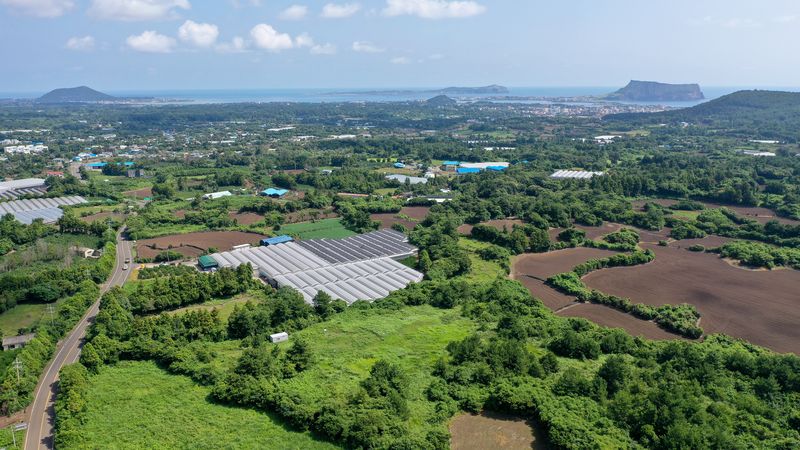
【Financial News Jeju=Jung Yong-bok】 The Jeju Second Airport, which has been at the center of a protracted dispute for 11 years, is entering a new phase in which environmental verification and deliberation by residents will be integrated into a single process. Jeju Special Self-Governing Province will designate the project as a priority evaluation project once the draft environmental impact assessment is submitted, expand the number of review institutions to at least four, and collect residents’ opinions before seeking approval from the Jeju Special Self-Governing Provincial Council.
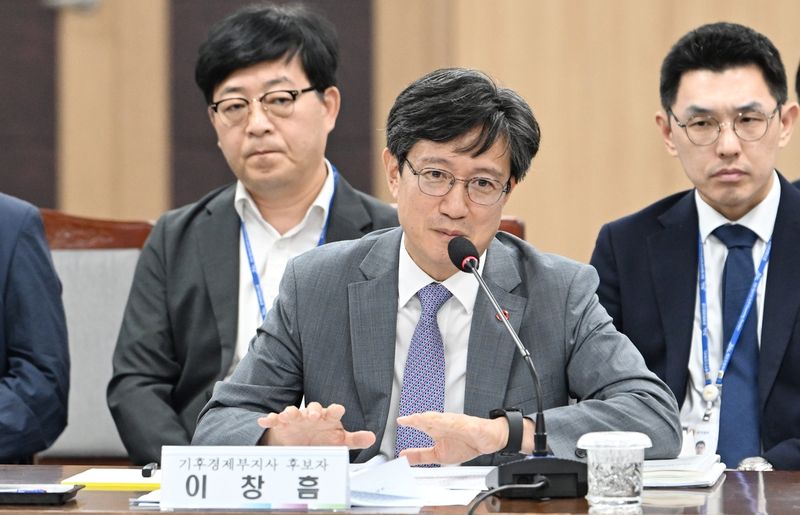
According to Jeju Special Self-Governing Province on the 8th, Lee Chang-heum, deputy governor for climate and economy, announced three policies linking the environmental impact assessment for the Jeju Second Airport with conflict mediation. The key measures are designation as a priority evaluation project, expanded cross-checking by specialized institutions, and the collection of residents’ opinions before approval by the provincial council.
Jeju Special Self-Governing Province plans to designate the project as a priority evaluation project immediately after the Ministry of Land, Infrastructure and Transport submits the draft environmental impact assessment report for the Jeju Second Airport, in accordance with the “Guidelines for Handling Consultation Work on Environmental Impact Assessments and Related Matters in Jeju,” scheduled to be established in September.
Once designated as a priority evaluation project, the Environmental Impact Conflict Mediation Council will be operated and consultations with specialized institutions will be expanded. For the Jeju Second Airport, Jeju Special Self-Governing Province plans not to establish a separate Environmental Impact Conflict Mediation Council. Instead, the tentatively named Jeju Second Airport Conflict Mediation Council will also perform those functions.
The aim is to discuss various issues—including environmental concerns, aviation demand, resident compensation, and coexistence measures—within a single conflict mediation framework rather than addressing them through separate consultative bodies.
The Jeju Second Airport Conflict Mediation Council will address major issues such as aviation demand, resident compensation, and coexistence measures until the draft environmental impact assessment is released. After the draft is submitted, it will also assume the role of the Environmental Impact Conflict Mediation Council and participate in the environmental verification process.
The scope of environmental verification will also be expanded. The review currently conducted by two specialized institutions, including the Korea Environment Institute (KEI) and the Jeju Green Environment Support Center, will be expanded to at least four institutions.
The plan calls for multiple institutions to cross-check issues raised during the controversy over the Jeju Second Airport, including the possible distribution of lava caves, impacts on sinkholes and groundwater, and the risk of bird strikes. The focus is on improving the reliability of the verification process by having several specialized institutions review the same issues instead of relying on the judgment of a single institution.
The collection of residents’ opinions will also be linked to the environmental impact assessment process. Jeju Special Self-Governing Province will complete the process of gathering residents’ views before seeking the provincial council’s approval of the environmental impact assessment report and will formally convey the results to the Ministry of Land, Infrastructure and Transport. It also plans to have the deliberative outcomes and conclusions reached by the Conflict Mediation Council reviewed during the environmental impact assessment process, including both the draft and final reports.
However, collecting residents’ opinions does not mean that the process itself will determine whether the Jeju Second Airport project receives final approval. Jeju Special Self-Governing Province plans to convey the residents’ views to the Ministry of Land, Infrastructure and Transport and request that they be reflected in the direction of airport policy.
Since plans to pursue the project were unveiled in 2015, the Jeju Second Airport has been the subject of a prolonged dispute over environmental impacts, the suitability of its location, aviation demand, and harm and compensation for residents. The key challenge for the three policies is how to secure confidence in the environmental verification while gathering differing views among residents and connecting them to the national decision-making process for the project.
Deputy Governor Lee Chang-heum said, “The Jeju Second Airport is an issue that concerns Jeju’s future and the lives of its residents. We will carry out the process of fully gathering the residents’ views to the end and consult with the government so that the results are reflected in airport policy.”
[email protected] Jung Yong-bok Reporter