X-ray Eyes, Inspectors' Hands, Sniffer Dogs' Noses... Finding Drugs in 320,000 Packages [Drug Field Report (Part 2)]
- Input
- 2026-09-09 06:00:00
- Updated
- 2026-09-09 06:00:00
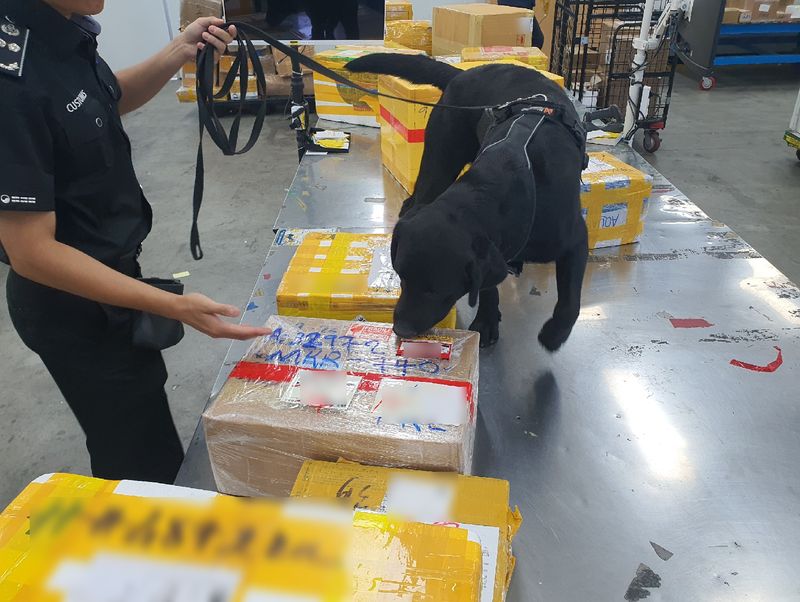
For detection dogs, finding drugs is a kind of game. Through repeated training, they learn that finding a specific scent allows them to play with a ball. Even during actual duty, training scent samples are hidden among the cargo for them to find. This prevents them from forgetting the scents they have learned or losing interest in detection. That does not mean detection is a trivial game. Officer Jeong said, "The energy used to concentrate on smelling is about twice that used for running," adding, "Because they continuously use their sense of smell, the physical exertion is also considerable." After about three months of training, detection dogs are paired with a handler and deployed in the field.
■ Open the box, tear it open, and check the contents
However, hundreds of thousands of shipments a day cannot be entrusted solely to sniffer dogs' noses. Drug inspections of express cargo begin even before the shipments arrive in Korea.When cargo is dispatched, a manifest containing information such as its contents and place of dispatch is submitted to customs. The information analysis team identifies high-risk shipments by comprehensively examining the place of dispatch and cargo details. Cargo arriving in Korea undergoes X-ray inspection, and if abnormalities such as structural differences from ordinary goods or changes in density are detected, it is selected for detailed inspection.
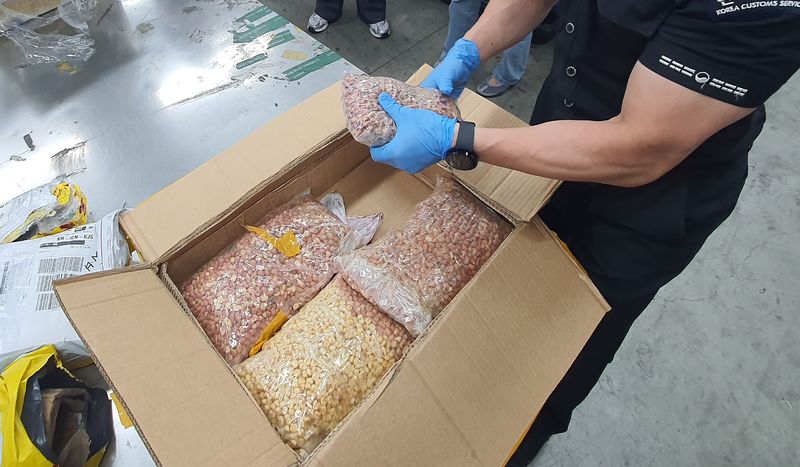
The employees' hands were busy at the inspection counter that day as well. When one box was opened, several bags of nuts were found. Nearby, a box containing snacks was opened and its contents were examined one by one. On the surface, they appeared to be ordinary items commonly received through overseas online shopping.
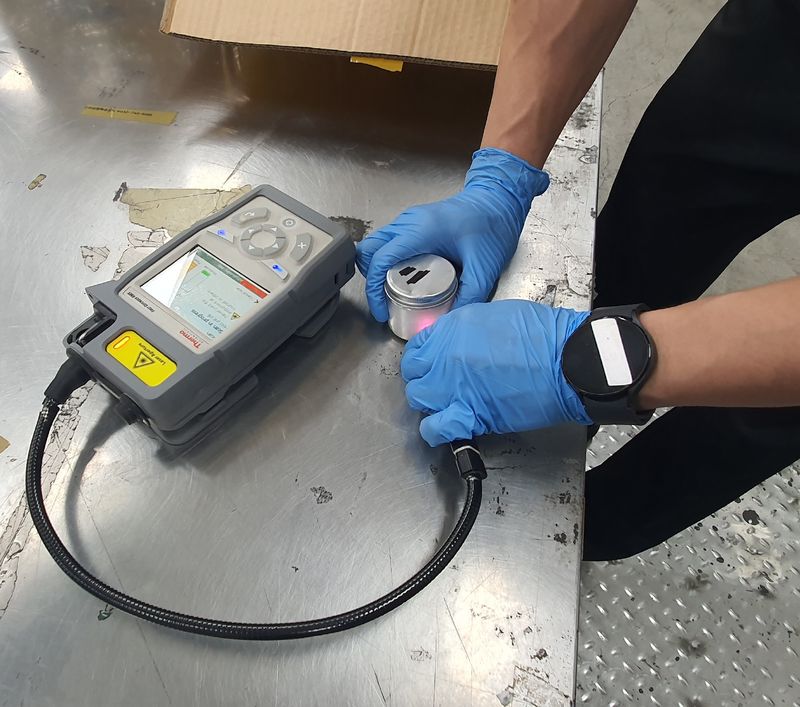
If suspicions remain even after an opening inspection in which the box is opened directly, a destructive inspection is conducted, using tools such as knives to examine the inside of the goods. A portable Raman spectrometer was also placed at one side of the inspection area. By shining the spectrometer's light on a suspicious substance, about 20 types of drugs can be identified on-site.
The problem is that shipments for detailed inspection must first be selected from among hundreds of thousands. This is why information analysis at the preceding stage is just as important as opening boxes at the inspection site.
Son Dong-yeol, an officer on the information analysis team of the Express Mail Management Division, pointed out, "Because hundreds of thousands of shipments arrive every day, we have to identify the high-risk shipments among them," adding, "Information analysis—examining not only inspection results but also manifests and import histories—is an important part of the job."
■ Snacks, spice containers, hair gel... Drugs hidden in ordinary objects
There is a reason why even seemingly ordinary items are opened directly when they arouse suspicion. The types of objects used to conceal drugs are becoming increasingly diverse.In February this year, 4.9 kg of methamphetamine was seized from finished snack products, including snacks and chocolate, in an express shipment from Thailand. Last April, 1.2 kg of liquid ketamine was found inside a container of automotive polishing compound imported from Poland. Those working in the field say the methods are becoming more sophisticated, including hiding drugs in toys or household goods and mixing them with legitimate products.
Son also had an experience in which he nearly overlooked a seemingly ordinary item. Not long after joining the information analysis team, he found ketamine in a spice container. He was initially unsure, but after consulting colleagues and conducting another inspection, he confirmed that it was a narcotic.
Detection dogs also fill gaps that the human eye may miss. When a detection dog reacts to a particular shipment, the item is moved to the focused inspection area for an opening inspection.
When Officer Jeong first seized drugs, a detection dog gave the initial signal. On the surface, the product looked no different from ordinary hair gel. However, trusting the dog's reaction, officers conducted a destructive inspection and found hashish oil inside.
■ 'Anxiety even when no drugs are detected'
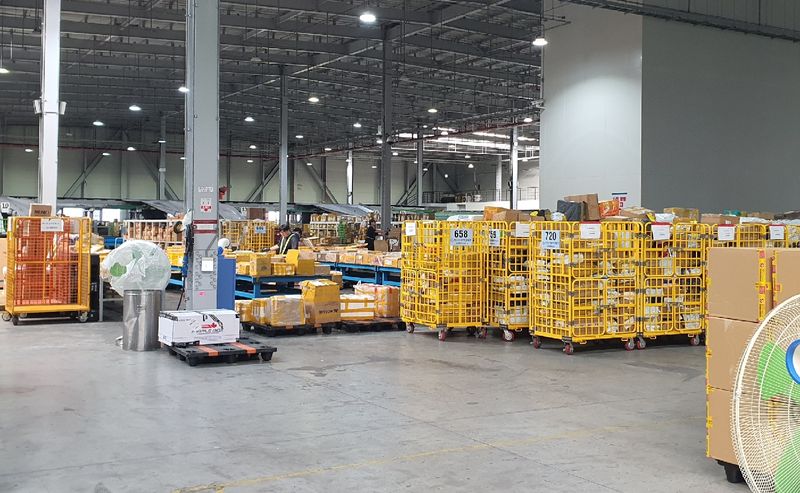
In July, 67.48 million express shipments were processed at Incheon International Airport, an average of about 320,000 per day. While carefully detecting narcotics, customs clearance for legitimate cargo must not be delayed. This is the dilemma the field faces every day.Son said, "It is important to identify shipments concealing drugs, but we must also ensure rapid customs clearance," adding, "The most difficult part is finding a balance between the two."
Through July this year, 141 drug seizures totaling 172.6 kg were recorded in express cargo. Although the number of cases fell by 33% from the same period last year, the total amount increased by 3%. The total amount of drugs seized nationwide in the first half of this year also reached 767 cases and 1,007 kg, the highest ever based on drugs intended for entry into the country.
A decline in the number of seizures does not mean that tension in the field has eased. Rather, when nothing is detected, field officers worry that another route may have opened to evade the enforcement network.
Son emphasized, "As long as drugs continue to be detected, we believe we are heading in the right direction," adding, "If nothing continues to be detected, we need to examine again whether the drugs are escaping through other routes."
[email protected] Choi Seung-han Reporter