The Yen Suddenly Surges to 152 per Dollar—What Is the “Bessent Triple Top”?
- Input
- 2026-09-08 15:02:14
- Updated
- 2026-09-08 15:02:14
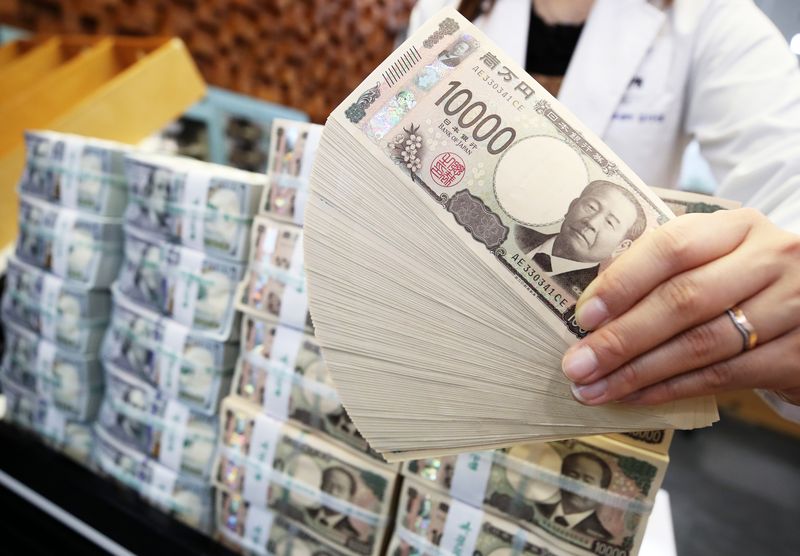
【Financial News Tokyo = Correspondent Hye-jin Seo】The yen surged to the 152-yen range against the dollar on the 8th, coming close to its highest level of the year. As expectations of a Bank of Japan (BOJ) rate hike coincided with U.S. pressure to correct the yen’s weakness, speculative traders who had sold the yen rushed to unwind their positions after the dollar fell below the 155-yen level. A “triple-top pattern,” signaling a reversal of the yen’s weakening trend, has also appeared on the dollar-yen chart, turning the market’s attention toward 150 yen per dollar.
According to the Nihon Keizai Shimbun, the yen rose as high as 152.89 per dollar in Tokyo’s foreign-exchange market that day. It was the highest level in about seven months, since February 17. Compared with 160.39 yen on the 2nd, the yen had surged 7.50 yen in just six trading days.
The yen strengthened broadly not only against the dollar but also against major currencies. Since the end of last month, it has risen 3.5% against the dollar, 3.4% against the euro, and 3.6% each against the British pound and Swiss franc.
The immediate trigger for the surge was the break below 155 yen per dollar. This was a resistance level that Japan’s unilateral intervention in May and June and joint intervention by Japan and the United States in late July had failed to overcome. When the dollar-yen rate fell below 155 yen on the 7th, stop-loss orders poured in, followed by additional yen buying.
The yen carry trade—selling the low-interest-rate yen to invest in higher-yielding currencies and assets—was also unwound rapidly. Keiichi Iguchi, chief strategist at Resona Holdings, analyzed, "Breaking through the 155-yen level, which intervention had failed to overcome, is highly significant." He added, "The unwinding of speculative traders’ yen-selling positions accelerated the yen’s appreciation."
Several factors supporting yen buying emerged at once. Expectations of a BOJ rate hike in September grew, while U.S. Treasury Secretary Scott Bessent pressed Japan to correct the yen’s weakness. Speculation also spread that Japan’s public pension fund (GPIF) could increase its investment in domestic assets. The probability of a BOJ rate hike in September, as reflected in financial markets, soared to 97% on the morning of the 8th.
Takumi Naya, head of the foreign-exchange trading group at Sumitomo Mitsui Banking Corporation, said, "Unlike in the past, broad-based pressure to buy the yen has formed." He added, "The exit routes for investors who have increased their yen-selling positions are narrowing."
The exchange-rate chart has formed a “triple-top pattern,” in which the rate reaches three peaks before falling below a support line. It is a typical pattern that appears when an uptrend ends and turns into a downtrend. A decline in the dollar-yen exchange rate means the yen is strengthening. In the market, this pattern is being called the “Bessent triple top,” after U.S. Treasury Secretary Bessent, who has pressed Japan to correct the yen’s weakness.
The next turning point is 152.10 yen per dollar, the year’s high recorded in January. If that level also breaks, the yen could strengthen toward the psychologically important 150-yen mark, analysts say.
However, structural factors driving yen selling remain, including the trade deficit caused by higher crude oil prices and overseas securities investments by Japanese investors. The dollar-yen rate could rebound if stable import prices resulting from yen appreciation weaken expectations for additional BOJ rate hikes.
[email protected] Hye-jin Seo Reporter