Canada Begins Reciprocal Tariffs on $20 Billion Worth of U.S. Imports
- Input
- 2026-09-08 15:17:06
- Updated
- 2026-09-08 15:17:06
[Financial News] Canada began imposing retaliatory tariffs on approximately $20 billion (about 27 trillion won) worth of U.S. imports on the 8th local time, escalating trade tensions between the two countries.
Canada began imposing tariffs on imports from the United States, its largest trading partner, at midnight that day (1:01 p.m. Korea time on the 8th).
The retaliatory tariffs apply to U.S. products including steel, furniture, clothing and electronics. Tariff rates range from 15% to as high as 50%, depending on the product.
The reciprocal tariffs mark a serious escalation in the trade conflict between the neighboring countries, which has continued for the past 18 months. Officials from both countries are blaming each other for the collapse of negotiations that had been close to a deal just two weeks ago. The rising tensions are also creating significant uncertainty over the future of the United States–Mexico–Canada Agreement (USMCA), a free trade pact subject to annual review after U.S. President Donald Trump rejected a request to extend it.
Michael Harvey, executive director of the Canadian Agri-Food Trade Alliance and an adviser to Canadian Prime Minister Mark Carney, said, "What concerns us is a vicious cycle of conflict," while adding, "At the same time, we fully understand that the prime minister needs to secure leverage."
The tariffs imposed by the United States last month affected $20 billion worth of Canadian exports to the United States—about 5% of the total—including wine, furniture, dairy products, cement, clothing, fishing rods and hockey sticks.
According to data from the governments of both countries, Canada is relying on the United States for about 68% of its total exports this year. Of that amount, approximately 80% has moved tariff-free under USMCA exemptions. Although USMCA safeguards have provided some support for Canada’s domestic economy, the exemptions do not apply to new U.S. tariffs imposed under laws dating back to the Great Depression.
Canada is growing increasingly concerned about investment and economic growth as it wages a trade war against the United States, whose economy is 13 times larger. Polls show that Prime Minister Carney has the support of most Canadians, but political experts expect his approval rating could plunge within months once the effects of the trade war fully emerge.
Last week, Prime Minister Carney left room for dialogue, saying, "We are ready to sign a trade agreement that benefits both countries." President Trump, however, has continued the war of nerves. He threatened to raise tariffs on Canadian cars, trucks and parts to 50% starting January 1 next year, and signed an executive order renaming Lake Ontario, which straddles the border between the two countries, "Lake America."
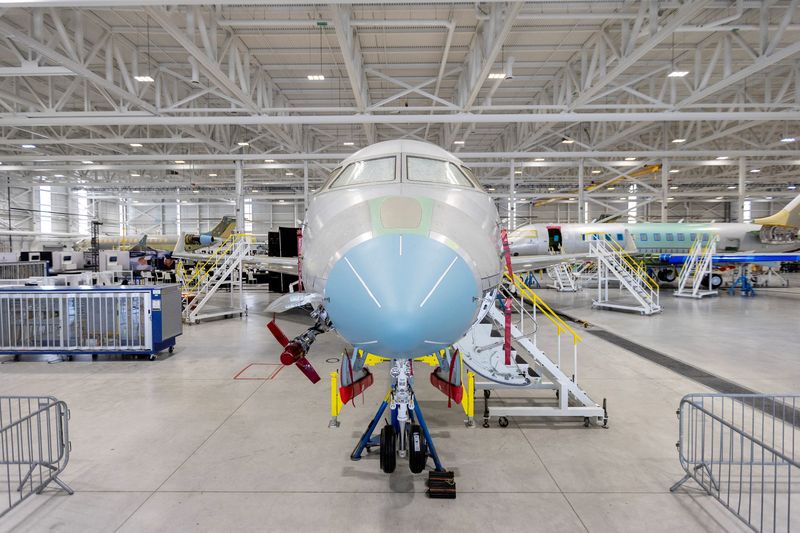
The day before Canada imposed its tariffs, U.S. President Trump wrote on social media that Bombardier, Canada’s aircraft manufacturer, should not be allowed to sell its products in the United States.
Trump accused Canada of blocking U.S. banks and companies and urged American consumers to "buy American products, fly on American airlines, drink American liquor and sail on Lake America."
Official talks between ministers and government officials from the two countries are currently suspended. Harvey advised, "The Canadian government should keep its channels of communication with the United States open and avoid overreacting to U.S. rhetoric," adding, "It needs to wait for the U.S. decision-making process to return to economic logic."
The New York Times (NYT) reported that the economic impact would be limited for the time being, given that the scale of Canada’s retaliatory tariffs represents a small share of trade between the two countries.
Brad Wood, director of trade innovation at the National Foreign Trade Council (NFTC), said, "Reciprocal retaliation is bad for businesses and consumers in both the United States and Canada," adding, "Each escalation creates new obstacles that must be resolved." Wood said, "The focus going forward will be on whether President Trump actually follows through on the threats he has made."
[email protected] Yoon Jae-jun Reporter