Police, Firefighters and Public Officials Handling Civil Complaints to Be Immediately Removed from Duty When Psychological Risks Are Detected
- Input
- 2026-09-08 12:57:18
- Updated
- 2026-09-08 12:57:18
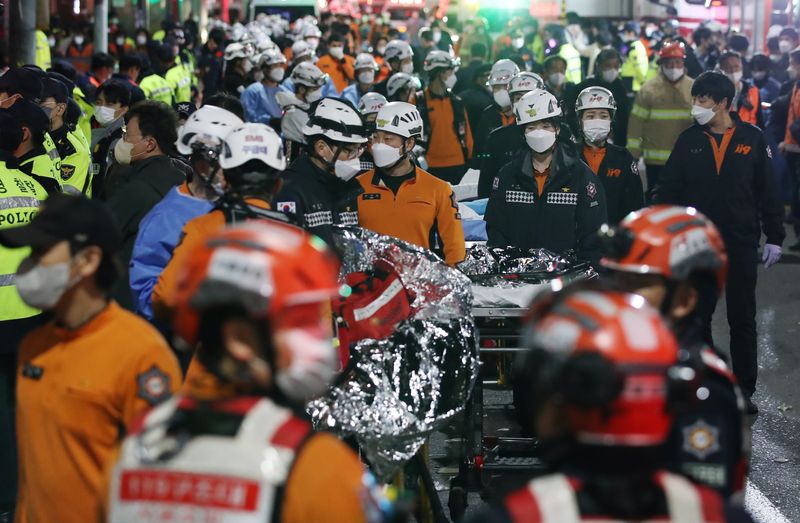
[Financial News] Public officials at high psychological risk—including police officers, firefighters, and officials exposed to abusive civil complaints—will be immediately removed from duty and given time to rest if serious harm, such as suicide, is considered imminent. For the first time, the government is also establishing a nationwide suicide prevention system that identifies psychologically high-risk groups early and supports their treatment and recovery, including emotional laborers and disaster victims.
The Ministry of Personnel Management said on the 8th that it had reported these measures to a Cabinet meeting. The plan details the measures for specialized occupations and groups among the nine sector-specific suicide prevention measures prepared in May.
The measures cover four areas: public officials; uniformed public servants, including police officers, firefighters, and military personnel; emotional laborers; and disaster victims.
The Ministry of Personnel Management will establish a tentatively named Regulation on Disaster Prevention for Public Officials. It will create institution-specific health and safety management systems and provide a basis for supporting health checkups and psychological tests. The number of public officials’ mental health centers will also be gradually increased from the current 11 to 16.
In particular, a new emergency suspension-of-duty system will immediately remove public officials from work and allow them to rest when serious harm, including suicide, is considered likely to occur imminently.
Protection will also be strengthened for public officials exposed to abusive and repetitive civil complaints. The Ministry of the Interior and Safety will establish dedicated systems so that institutions, rather than individual officials, respond to unusual or repetitive complaints, while gradually expanding the placement of legal experts. Relevant regulations will also be revised to allow institutions to close complaints internally when they involve verbal abuse or sexual harassment and meet certain requirements.
Police officers, coast guard officers, firefighters, and military personnel who are repeatedly exposed to death scenes or major disasters will receive psychological support ranging from prevention and diagnosis to treatment and recovery.
The police will shorten the interval for comprehensive mental health checkups for all employees to once a year, while the coast guard will also conduct psychological tests annually. Firefighters will undergo psychological testing at each stage—from before appointment through employment and after retirement—and high-risk personnel deployed to disaster sites will be managed separately. The Ministry of National Defense will continuously monitor the health of service members with a history of suicide attempts and expand the number of professional counselors for military life.
Support for the treatment and recovery of post-traumatic stress disorder (PTSD) will also be expanded. The number of partner hospitals providing mental health services and financial assistance for medical care will be increased, particularly by the fire service and the Ministry of National Defense, while healing programs will be strengthened.
In the private sector, protections for emotional laborers will be expanded to include workers in special types of employment. The Ministry of Employment and Labor will inspect whether protective measures are being implemented for workers in emotionally demanding occupations, such as telephone counselors and care-service workers, and provide specialized consulting. Workers who experience traumatic incidents, such as verbal abuse from customers or a colleague’s suicide, will receive psychological counseling and support for returning to daily life through occupational trauma centers.
A long-term follow-up management system will be established for disaster victims. The Ministry of the Interior and Safety and the Ministry of Health and Welfare will standardize assessment criteria and follow-up procedures for identifying psychologically high-risk individuals early after disasters, and develop intervention guidelines based on risk levels. They will establish a cohort to track groups of disaster victims over the long term and strengthen treatment and support cooperation centered on the National Center for Trauma.
Choi Dong-seok, head of the Ministry of Personnel Management, said, "We will strengthen the state’s responsibility for suicide prevention and work closely with relevant ministries to protect the mental health of high-risk groups."
[email protected] Lee Bo-mi Reporter