First 'foot search' launched at powerhouse where Korean worker is missing... 6 Korean rescue workers deployed on 14th day of accident
- Input
- 2026-09-08 11:50:31
- Updated
- 2026-09-08 11:50:31
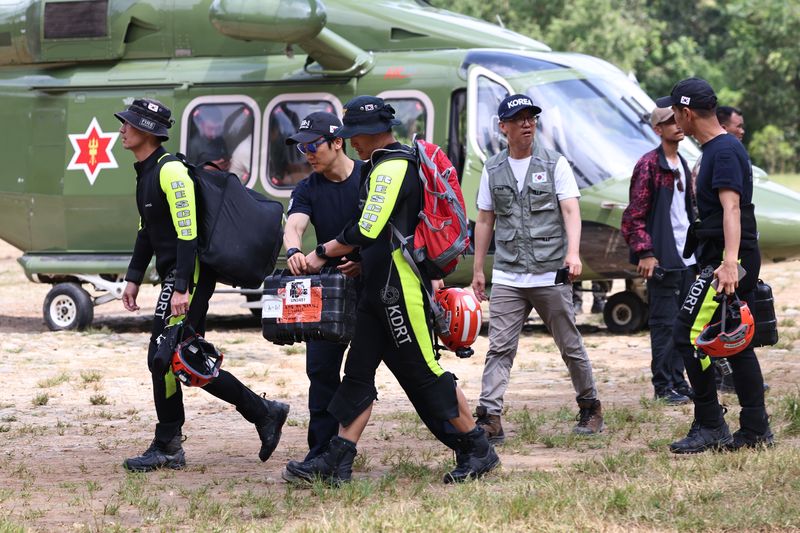
According to the Ministry of Foreign Affairs on the 8th, the Overseas Emergency Relief Team, in collaboration with the Nepalese military, began a foot search in two areas where the families of those out of contact had hoped for rescue: the Powerhouse and the mountainous region to the left of the Yellow Bridge.
The Overseas Emergency Relief Team stated, "We plan to move by helicopter to the mountainous area to the right of the main camp and attempt a foot search as much as possible."
In addition, they stated, "We also plan to use drones during the foot search to ensure the safety of our relief workers and to maximize search effectiveness." While the Overseas Emergency Relief Team has previously conducted a foot search in the area near Ramche (September 2), this is the first time they have conducted a foot search in the Powerhouse area.
It is estimated that during the Nepal floods, one of the nine Korean workers was working near the upper Weir Dam, while the remaining eight were working near the downstream Powerhouse. Mobile phone location tracking of the missing Koreans is also underway, but has not yet yielded results due to technical issues.
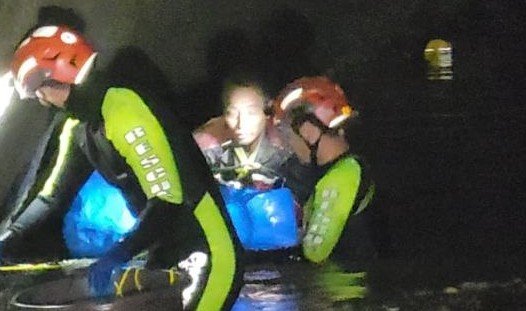
In addition, it has been reported that some members of the South Korean overseas emergency relief team who entered the tunnel to search for missing persons in the Nepal floods are suffering from headaches, abdominal pain, and diarrhea.
According to the Ministry of Foreign Affairs, some of the personnel entering the tunnel are complaining of headaches and abdominal pain due to factors such as inhaling contaminated water. Consequently, a KOICA-dispatched global cooperation doctor monitoring their health has prescribed antibiotics to the deployed personnel.
In addition, some team members are suffering from severe physical exhaustion or exhibiting symptoms of diarrhea after the search. The collaborating physician recommended carrying oxygen cans, expressing concern over the risk of hydrogen sulfide generation due to the confined space created when entering the tunnel.
On this day, a total of 10 personnel deployed to search the tunnel near Weir Dam attempted to enter deep inside the tunnel in three separate groups. The water was deep and flooded from the entrance of the tunnel, and as they passed through by boat, they encountered an area blocked by rocks. They tried to get between the rocks or move them, but as it was not feasible, they withdrew.
Nepalese military authorities notified the Korean relief team that the search for tunnels near Weir Dam was being terminated due to the risks of entering and searching the tunnels and the slim chance of finding survivors.