1.0942 Trillion Won to Be Invested in 43 Remote Outermost Islands, Including Baengnyeongdo, Heuksando Island and Ulleungdo: “Expanding Residential and Safety Infrastructure”
- Input
- 2026-09-08 12:00:00
- Updated
- 2026-09-08 12:00:00
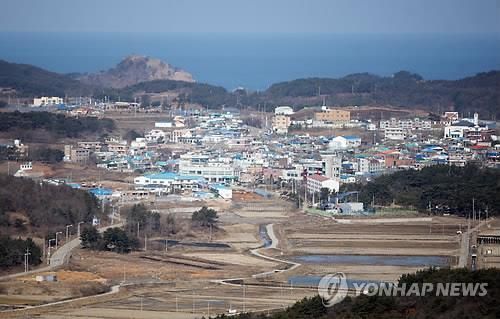
[Financial News] The government will reinforce breakwaters and expand LPG pipeline networks, water and sewage systems, and drinking-water facilities on 43 inhabited remote outermost islands, including Baengnyeongdo, Heuksando Island and Ulleungdo. It will also improve transportation infrastructure, including airports and inter-island bridges, to enhance island residents’ access to education, public health and medical care. Following the enactment of a special act last year to establish a legal basis for support, the government has finalized its first comprehensive national development plan, launching projects to improve living conditions for residents of remote islands. It will invest 1.0942 trillion won over the five years through 2030.
The Ministry of the Interior and Safety (MOIS) announced on the 8th that it had established and finalized the First Comprehensive Development Plan for Remote Outermost Islands, under which 138 projects will be carried out on 43 remote outermost islands from 2026 to 2030.
The plan is the first national plan finalized after consultations among relevant ministries and deliberation and approval by the Island Development Deliberation Committee. A new comprehensive development plan will be established every five years going forward.
“Remote outermost islands” refers to 43 inhabited islands located at the outermost edges of South Korean territory. The government considers residents’ continued settlement on these islands important for maintaining national territorial control from military and economic perspectives. In January last year, it enacted the Special Act on Support for Remote Outermost Islands, Including Ulleungdo and Heuksando, establishing the legal basis for support. This plan is the first comprehensive development plan drawn up under the special act.
The total project cost is 1.0942 trillion won. National funding accounts for the largest share at 848.6 billion won, followed by 141.4 billion won in local government funding and 104.2 billion won from private and other sources.
The government will first expand safety and basic living infrastructure. Breakwaters will be reinforced and disaster-risk areas improved so residents can evacuate quickly in the event of security-related clashes or natural disasters. LPG pipeline networks and water and sewage treatment facilities will be built, while drinking-water sources will be developed. The plan also includes expanding public sewage treatment facilities and incineration plants.
Transportation conditions will also be improved. The government plans to expand transportation infrastructure, including the three major airports on Baengnyeongdo, Heuksando Island and Ulleungdo, as well as inter-island bridges. The goal is to make travel more convenient for island residents and broaden access to essential services such as education, public health and medical care.
Tourism infrastructure will be expanded as well. Coastal walking trails will be created on Baengnyeongdo, Geomundo Island and Chujado Islands, while parks, plazas and other recreational and experiential facilities will be added to develop the islands into tourism hubs.
Yun Ho-jung, Minister of the Interior and Safety, said, “With the establishment of this comprehensive development plan for remote outermost islands, we expect to protect the islands’ military and economic value while providing government-wide support for residents’ welfare and living conditions. We will expand essential living infrastructure, including education, public health and medical care, and develop the islands into sustainable destinations where residents can continue to live and tourists will want to return.”
[email protected] Lee Bo-mi Reporter