China Imposes Provisional Anti-Dumping Measures of Up to 99.2% on Japanese Semiconductor Gas
- Input
- 2026-09-08 10:31:00
- Updated
- 2026-09-08 10:31:00
【Financial News Tokyo = Correspondent Hye-jin Seo】China has provisionally determined that Japanese specialty gas for semiconductors was imported at excessively low prices, harming its domestic industry, and has begun imposing anti-dumping measures. As a result, Chinese importers must pay customs deposits equivalent to as much as 99.2% of the import value when bringing in Japanese products from the 8th. Analysts say tensions between the two countries are spreading to advanced-industry supply chains as China, after restricting exports to Japan of dual-use items such as rare earths, has also raised barriers to imports of Japanese semiconductor materials.
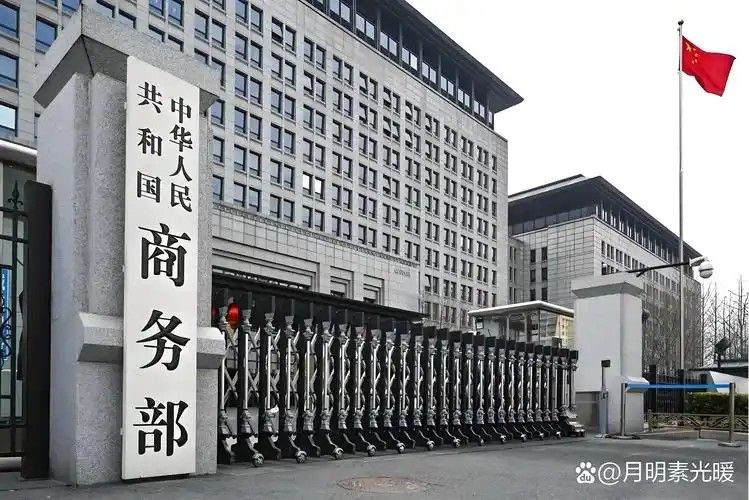
According to Japan Broadcasting Corporation (NHK), Nihon Keizai Shimbun and The Asahi Shimbun on the 8th, MOFCOM announced the previous day a provisional finding in its anti-dumping investigation into Japanese Dichlorosilane that dumping had caused material injury to China's domestic industry.
The company-specific deposit rate is 99.2% for major Japanese chemical maker Shin-Etsu Chemical. A rate of 80.8% applies to Denka's subsidiary Denka Silane, while the 99.2% rate applies to the remaining Japanese companies.
Dichlorosilane is a specialty gas used in the deposition process to form thin films on wafers and other materials during semiconductor and liquid-crystal panel production.
MOFCOM launched an anti-dumping investigation into Japanese Dichlorosilane in January. The deposits are a provisional measure intended to adjust import prices before a final determination.
To continue importing Japanese products, Chinese importers must deposit an additional 80.8% to 99.2% of the import value on top of the existing payment. Although formal tariffs are not being imposed immediately, the measure will significantly increase importers' financial burden and could affect the price competitiveness of Japanese products and exports to China.
If China also finds dumping and injury to its domestic industry in the final investigation, it could impose formal anti-dumping duties. MOFCOM cited dumping by Japanese products and injury to China's industry as the basis for the measure and did not mention any political background.
Japanese media have focused on the possibility that the measure is linked to China's economic pressure on Japan following Prime Minister Sanae Takaichi's parliamentary remarks concerning “in the event of a Taiwan contingency.”
In November last year, Prime Minister Takaichi told parliament that a Taiwan contingency could constitute a situation threatening Japan's survival. In response, China tightened export controls to Japan on dual-use items such as rare earths.
The Asahi Shimbun reported that China had applied economic pressure on Japan following Prime Minister Takaichi's remarks and that the anti-dumping measure could be part of that effort. NHK also reported that China was increasing the level of economic pressure on Japan by tightening export controls on dual-use items and taking other steps.
Nihon Keizai Shimbun likewise reported that some observers view the anti-dumping investigation into Japanese Dichlorosilane, which began in January, and the strengthened export controls on dual-use items bound for Japan as countermeasures against Prime Minister Takaichi's remarks.
Analysts say tensions between China and Japan over economic security are intensifying as China controls exports of critical minerals to Japan while erecting import barriers against Japanese semiconductor materials.
[email protected] Hye-jin Seo Reporter