Copper Hits All-Time High Again... Aftermath of U.S. Tariff Risks and Mine Collapse
- Input
- 2026-09-08 08:03:39
- Updated
- 2026-09-08 08:03:39
On the 7th (local time), three-month copper futures on the London Metal Exchange (LME) surged at one point to $14,533 per ton, up 0.8%, surpassing the previous high set in January of this year. Copper has risen 47% over the past 12 months.
The backdrop is a long-term supply-demand imbalance where aging large mines are unable to keep up with the growing demand from data centers and renewable energy, and the prospect of expanded U.S. tariffs has also contributed.
Copper is an essential raw material for industries such as semiconductors, batteries, and power grids, and demand has recently been surging in the AI data center and defense sectors.
The recent price increase is largely due to the fact that hundreds of thousands of tons of refined copper are being imported into the U.S. this year in anticipation of potential U.S. tariffs, with buyers aiming to profit from the price difference.
The United States Department of Commerce had agreed to submit an investigation report on whether to impose tariffs on refined copper by June 30, but has been unable to reach a conclusion for over two months.
Amid this uncertainty, copper inventories at the New York Mercantile Exchange (NYMEX) have surged nearly eightfold from 80,000 tons last February to 652,200 tons recently, while LME inventories are running low.
Cristian Cifuentes, a senior analyst at the Center for Copper and Mining Studies (CESCO), said, "The possibility of tariffs is having a greater impact on transactions than excess final demand," adding that "it is a case of localized shortages rather than global excess demand."
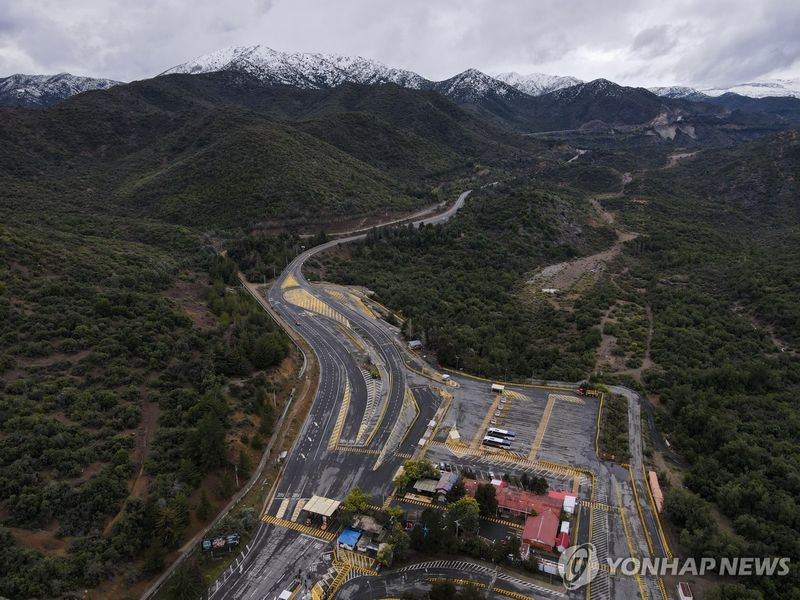
In addition, Chile, the world's largest copper producer, is facing operational disruptions due to local mine collapses and a decline in copper ore content. Chile's copper exports fell to $4.63 billion in August from $5.37 billion in July, marking the lowest level in over a year.
If Chilean copper production fails to rebound in the second half of the year, global mining supply is expected to record an annual decline for the first time since 2017.
[email protected] Lee Seok-woo, International Specialist Reporter