Trump Targets Canada’s Bombardier: “Stop Selling in the United States”
- Input
- 2026-09-08 04:27:34
- Updated
- 2026-09-08 04:27:34
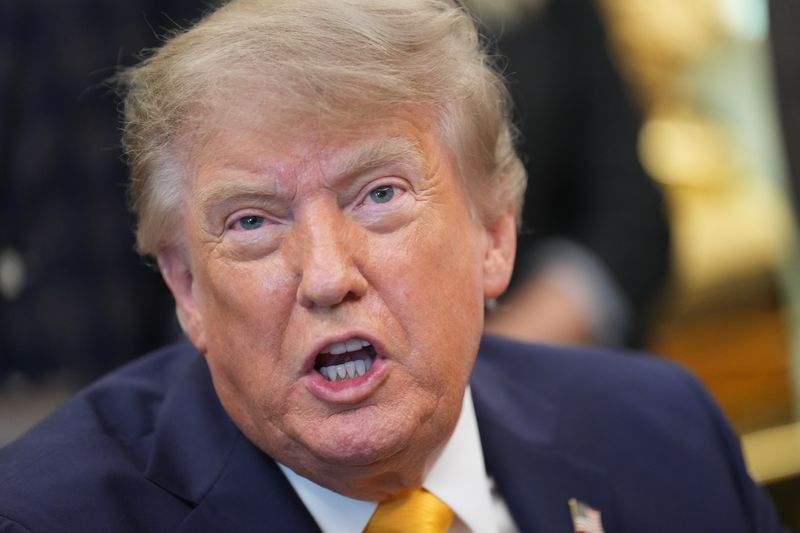
On the 7th, local time, President Trump wrote on Truth Social, "Bombardier should no longer be sold in the United States," adding, "Their products are not good enough."
President Trump specifically pointed out that more than 50% of Bombardier’s sales come from the United States. He stressed, "If they want our market, they should produce here," adding, "They have to stop treating the United States like a 'piggy bank.'"
The remarks came just hours before Canada’s retaliatory tariffs on United States goods were set to take effect. Canada decided to impose so-called "dollar-for-dollar" tariffs of up to 50% on $20 billion worth of United States products. The targets include cheese, honey, home appliances, cosmetics, agricultural equipment, motorcycles and video game consoles.
Canada’s move came after the United States imposed 50% tariffs on $20 billion worth of Canadian products following the collapse of trade talks. The two sides have also blamed each other for the breakdown in negotiations. No official talks to resolve the deadlock are currently scheduled for this week.
It remains unclear whether President Trump’s pressure on Bombardier will lead to additional tariffs or import restrictions. The White House has not specified whether Trump was calling on Americans to boycott Bombardier products or signaling additional government trade measures.
However, Trump’s remarks are being interpreted as an extension of his existing trade policy of pressuring foreign companies to manufacture in the United States. According to Reuters, Bombardier already operates a defense facility in Kansas that prepares special-mission aircraft. About half of the roughly 5,100 Bombardier customer aircraft operating worldwide are in the United States.
This is not the first time President Trump has targeted Bombardier. In January, he threatened to revoke United States certification for Bombardier Global Express business jets and impose 50% tariffs on Canadian aircraft, accusing Canada of delaying certification for aircraft made by United States competitor Gulfstream Aerospace. Neither measure was implemented at the time, and Canada certified some Gulfstream Aerospace aircraft the following month.
[email protected] Reporter Lee Byung-chul Reporter