U.S. Labor Day Gas Prices Hit Record High, Deal Blow to Donald Trump at the Pump
- Input
- 2026-09-08 03:41:49
- Updated
- 2026-09-08 03:41:49
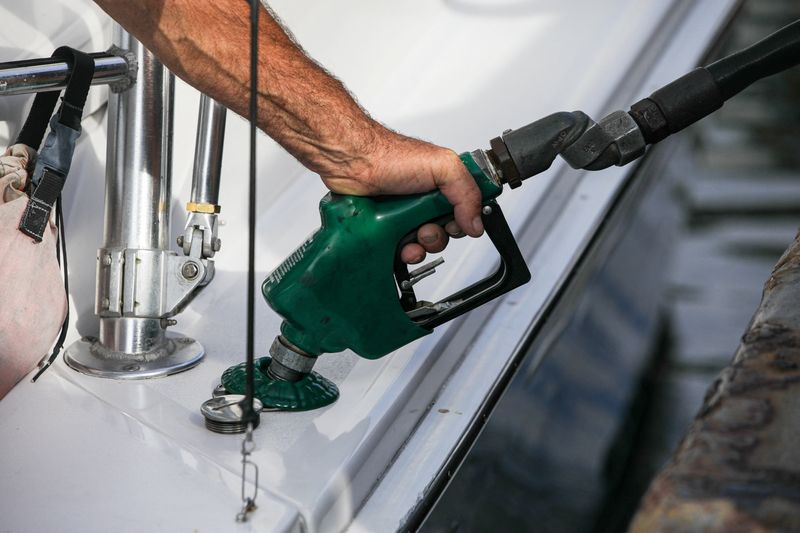
Gas prices at U.S. filling stations surged to a record high for the Labor Day holiday weekend.
CNBC reported on the 7th (local time), citing figures released by the American Automobile Association (AAA), that the national average price of regular unleaded gasoline reached $4.15 per gallon.
Gas prices had never exceeded $4 on any previous Labor Day. The previous record was $3.82, set on September 3, 2012.
According to rental-car company Hertz, the Labor Day holiday weekend is one of the busiest travel weekends in the United States, meaning drivers are likely to face a substantial fuel-cost burden.
AAA noted that gasoline prices on the day were below this year's record high of $4.56, set in May, but were about 30% higher than the $3.20 recorded on Labor Day last year.
AAA spokesperson Brittany Moye said, "Gasoline demand typically declines after the summer driving season, which usually brings prices down, but this year, soaring crude oil prices are offsetting that seasonal factor."
Diesel prices, which are essential to industrial production in sectors such as logistics and agriculture—the arteries of the economy—also reached a record high during the Labor Day holiday weekend.
According to AAA, the average price of diesel at U.S. filling stations was $5.90 per gallon on the 7th, a 59% surge from the $3.71 recorded on Labor Day last year.
Agence France-Presse (AFP) reported that rising fuel prices are also causing public sentiment at gas stations to hit rock bottom. With the midterm elections about two months away, expectations are growing that Republicans could lose their majority in the House of Representatives.
An analysis also found that U.S. consumers are shouldering an additional $1 million every two minutes because of energy price increases resulting from the war with Iran.
Axios, citing an analysis by Brown University’s Watson Institute, reported that U.S. consumers are bearing an additional $100 billion in costs as energy prices rise because of the war with Iran. That amounts to roughly $1 million every two minutes.
The increase in gas prices followed the start of the war on February 28. On average, each U.S. household has effectively spent an additional $760.
[email protected] Song Kyung-jae Reporter