Korean Relief Team Members Entering Tunnel Report Headaches and Abdominal Pain, Apparently Due to Inhaling Contaminated Water
- Input
- 2026-09-08 00:42:13
- Updated
- 2026-09-08 00:42:13
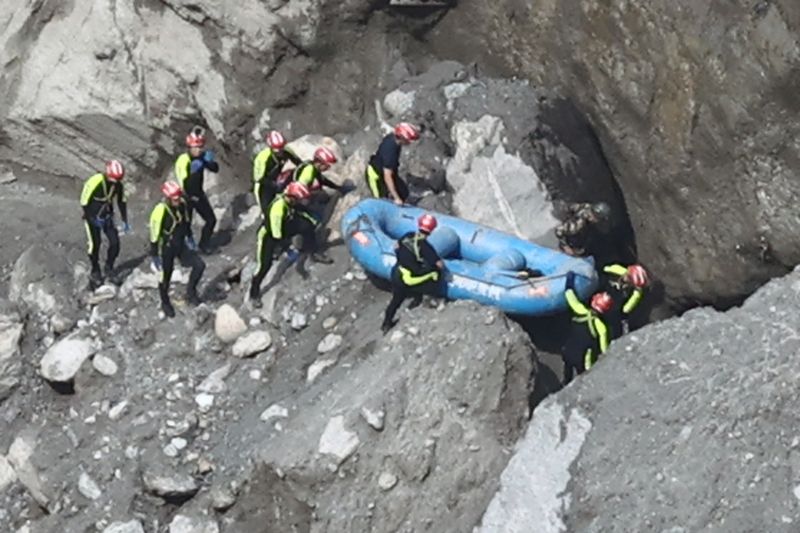
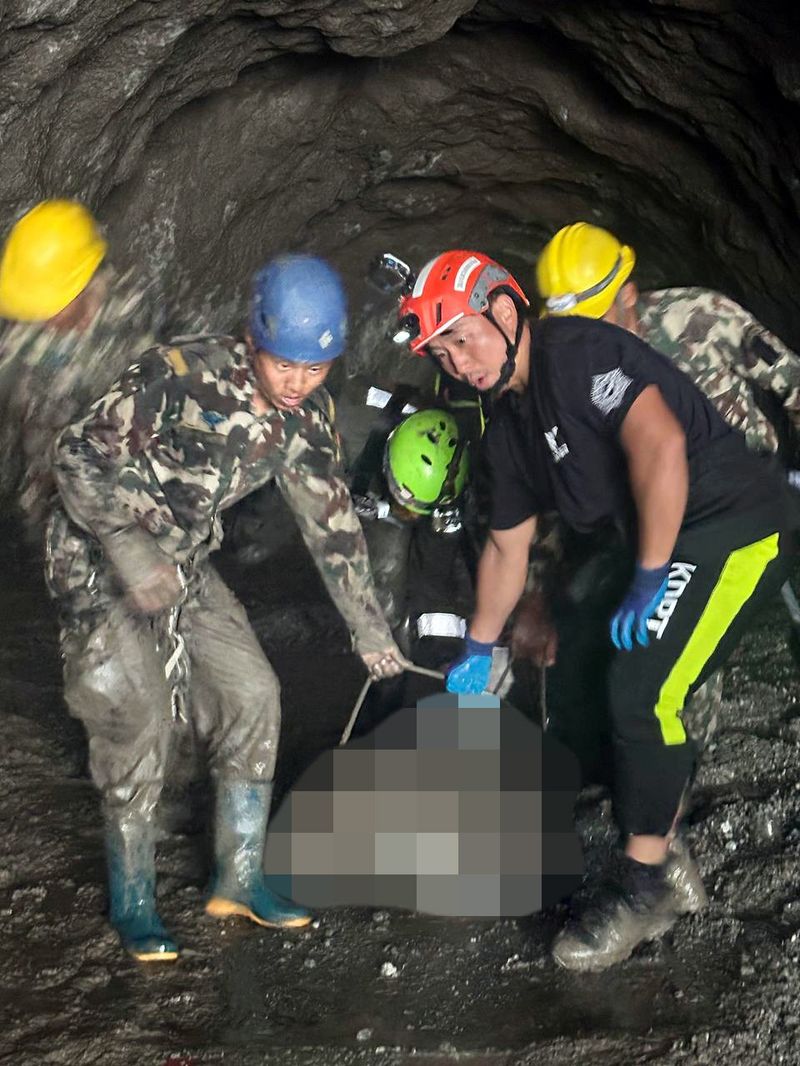
According to the Ministry of Foreign Affairs on the 8th, some of the members who entered the tunnel are complaining of headaches and abdominal pain, apparently after inhaling contaminated water. A global cooperation doctor dispatched by the Korea International Cooperation Agency (KOICA), who is monitoring their health, prescribed antibiotics to the deployed personnel.
Some members also suffered severe physical exhaustion or developed diarrhea after the search. The cooperating doctor recommended that they carry oxygen canisters, warning of the risk of hydrogen sulfide forming in the confined space created when entering the tunnel.
A total of 10 members deployed for the search near the weir dam attempted to enter deep into the tunnel in three separate groups that day. The tunnel was flooded from its entrance, with the water reaching a considerable depth. After traveling by boat, they encountered an area blocked by rocks. They tried to pass between the rocks or move them, but were unable to do so and withdrew.
Meanwhile, an overland search of the area where the Korean workers are believed to have gone missing, which had been blocked by the Nepalese military, is also being resumed. The search had made no progress because the Nepalese military had not allowed the team to approach on foot the area where the missing Koreans were last active. The Nepalese military had restricted access, citing the danger posed by the terrain. According to the Korean Disaster Relief Team, the Nepalese military has recently decided to actively support an overland search of the main locations where the Korean workers went missing, after previously refusing permission.
Earlier, during a meeting with the military commander of the Batar area, the Korean Disaster Relief Team proposed that the Nepalese military allow an overland search in Ramche, Rasuwa, about 2 kilometers from the camp where the missing Koreans had stayed. However, the military commander of the Batar area had told the Korean rescue team that “an overland search is dangerous” and that he could not allow dangerous activities in their area of operations.
Of the nine Korean workers at the time of the Nepal floods, one is believed to have been working near the upper weir dam, while the other eight were working near the downstream powerhouse. Efforts are also underway to track the missing Koreans’ mobile phone locations, but no results have been achieved yet because of technical problems. [email protected] Kim Kyung-soo, Reporter
[email protected] Kim Kyung-soo Reporter