[Editorial] U.S. Hyundai Steel Plant Should Become a Successful Localization Model Despite the Regrets
- Input
- 2026-09-07 18:29:07
- Updated
- 2026-09-07 18:29:07
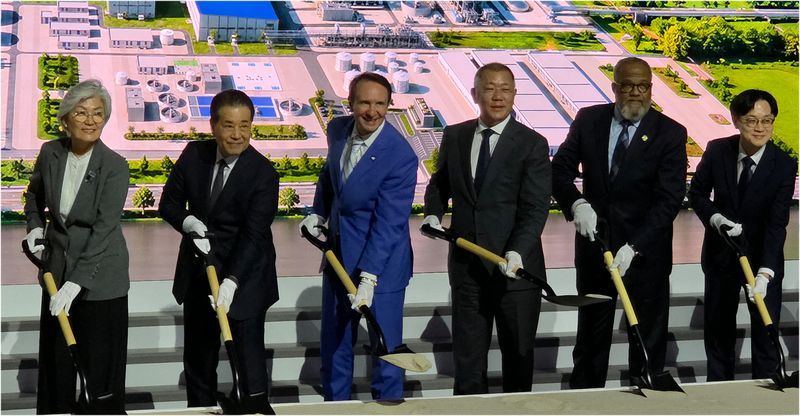
The Louisiana steel plant is particularly significant because it will be the first electric arc furnace-based steel plant in the United States specializing in automotive steel sheet. It will produce steel by melting direct reduced iron (DRI), made by processing iron ore with natural gas, and scrap steel in an electric arc furnace. Applying carbon capture and storage (CCS) and renewable electricity could reduce carbon emissions by up to 70% compared with conventional blast furnace products. Rather than engaging in a wasteful price and volume competition with Chinese steel, differentiating through low-carbon, high-value-added steel sheet is the direction the Korean steel industry should pursue.
A substantial portion of its sales channels has also been secured. The plant plans to supply 400,000 tons annually each to Hyundai Motor Company's and Kia Corporation's U.S. plants, while POSCO plans to sell 600,000 tons. Discussions are also under way with global automakers, leaving open the possibility of securing external customers. Chung Eui-sun, chairman of Hyundai Motor Group, expressed his ambition to use steel produced here in the Atlas humanoid robot and eventually supply it to space companies such as SpaceX. Given the growing demand for low-carbon, high-performance steel, this is not merely a distant prospect. If the plant expands beyond automotive steel sheet into high-value-added products for advanced industries such as robotics and aerospace, the Louisiana steel plant could become a successful localization model for Korean manufacturing.
This investment decision is also closely tied to the harsh reality facing Korea's steel industry. The industry is going through difficult times as China's low-priced offensive intensifies and domestic downstream industries remain sluggish. Rising protectionist barriers and carbon regulations in various countries are threatening the industry's survival both at home and abroad. It is no longer possible to endure by mass-producing commodity steel products alone. The industry must shift its focus to challenging fields such as high-value-added automotive steel sheet, low-carbon steel, and specialty steel for aerospace, while devoting all-out efforts to low-carbon equipment conversion and research and development.
Overseas localization is an unavoidable survival strategy as U.S. tariff barriers and policies favoring domestic products grow stronger. Insisting solely on producing in Korea and exporting could result in losing the market itself. If materials companies and demand-side companies enter overseas markets together and build supply chains locally, from production through demand, synergies can also be expected.
However, overseas localization must not lead to a weakening of Korea's domestic manufacturing base. As investments in the United States by leading companies in steel, automobiles, batteries, and semiconductors surge, concerns are also growing that the foundations for domestic investment and employment could weaken. Companies should not be pressured to invest domestically in the name of patriotism. We must soberly examine why an 8-trillion-won state-of-the-art steel plant is being built in the United States rather than Korea. High electricity costs, industrial land expenses, slow permitting, militant unions, an inflexible labor market, and complex regulations are among the many factors obstructing domestic investment. These shackles are eroding the competitiveness of Korean manufacturing as a whole, not just the steel industry. Regulations and the investment environment must be substantially improved. Protecting markets through localization overseas while enhancing competitiveness at home through a shift to high-value-added, low-carbon production is the two-track strategy that offers Korea's steel industry a path to survival.