Jeju National University Turns All of Jeju Province into a “Classroom” ... Calls for Second-Semester Learncation Course Proposals Through the 10th
- Input
- 2026-09-07 17:27:18
- Updated
- 2026-09-07 17:27:18
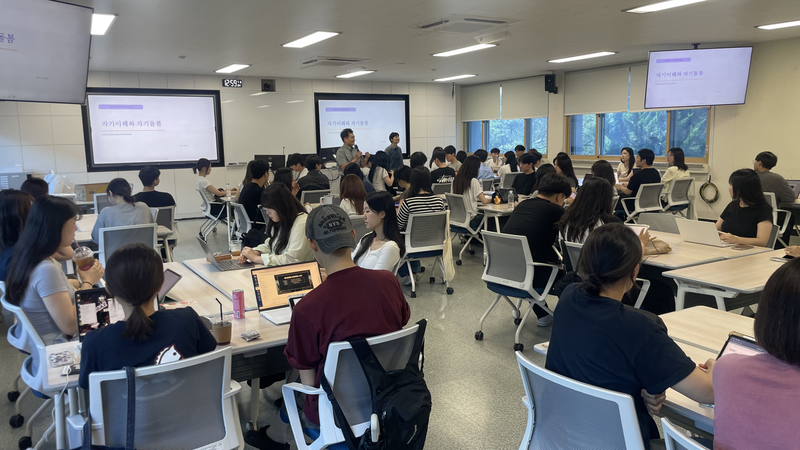
【FINANCIAL NEWS Jeju = Reporter Yongbok Jeong】 Jeju National University is moving regular courses beyond the classroom and into industrial, natural, and cultural sites across Jeju Province. It will accept proposals through the 10th for “course-linked Learncation” classes that connect Jeju’s specialized resources—including global affairs, the ocean, carbon neutrality, and cultural heritage—to actual coursework, expanding the field-based education model from the second semester of the 2026 academic year.
The JNU Glocal University Project Group, headed by Dongsun Lee, announced on the 7th that it would accept proposals for “2026 Academic Year Second-Semester Course-Linked Learncation” classes from that day through 6 p.m. on the 10th.
Learncation is an educational approach that combines classroom instruction with field study, hands-on experience, exchange, and recreation. It focuses on using industrial sites and natural and cultural resources throughout Jeju Province as university learning spaces.
JNU will develop courses centered on four specialized areas: Global, Ocean, Net-Zero, and Heritage.
The Global area uses Jeju’s international connections, including international exchange and multiculturalism. Ocean links the island region’s characteristics—such as the marine environment, ocean industries, and leisure—to coursework. Net-Zero uses Jeju’s future industries, including carbon neutrality, energy, and the environment, while Heritage draws on Jeju’s history and its cultural and natural heritage as resources for field education.
The selected courses will be operated by connecting local resources suited to each subject’s characteristics with the course process, rather than simply adding field trips to existing lectures. The project group will select the courses after comprehensively evaluating their connection to the goals of the Glocal Institutions Initiative, whether they reflect the four specialized areas, the appropriateness of the program design, and its expected effects.
JNU’s move to expand field-based courses is rooted in its Glocal Institutions Initiative strategy of using Jeju Province itself as an educational resource. The university aims to create a “K-Learncation” education model in which local industries, communities, natural environments, and cultural resources are connected to university education, allowing students and researchers from Korea and abroad to learn and interact in Jeju Province.
The key is connecting local sites with regular courses. Students can verify theories learned in the classroom in the field across Jeju Province and address real-world issues while interacting with local organizations, companies, and residents.
JNU has already tested the field-based education model by operating course-linked Learncation programs. Through this second-semester call for proposals, it plans to identify additional participating courses and expand class models connected to the four specialized areas.
Dongsun Lee, head of the JNU Glocal University Project Group, said, “We will build a field-based education model that connects specialized resources across Jeju Province with education, enabling students to continue learning, gaining experience, and interacting beyond the classroom.”
[email protected] Yongbok Jeong Reporter