Production Rises Amid AI Boom, Pushing Samsung Electronics and SK hynix Inventories Up Nearly 13 Trillion Won in First Half
- Input
- 2026-09-09 06:29:00
- Updated
- 2026-09-09 06:29:00
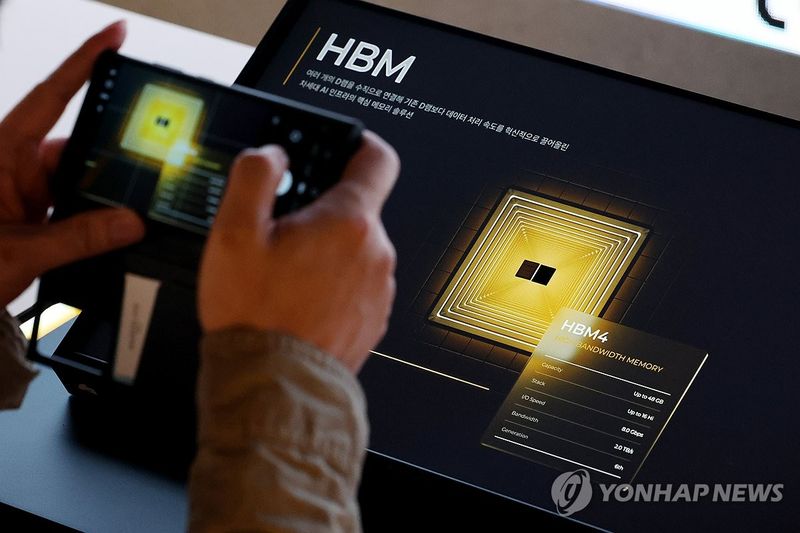
[Financial News] Semiconductor inventories at Samsung Electronics and SK hynix rose by nearly 13 trillion won in the first half of this year, fueled by a boom in AI memory. The companies expanded production as demand for AI and server memory grew, which also increased work-in-process inventory on the production lines. Analysts say the increase largely reflects higher production volumes awaiting shipment, rather than an accumulation of unsold finished goods as seen during past downturns.
According to the companies’ semiannual reports released on the 9th, inventory assets at Samsung Electronics’ Device Solutions (DS) Division and SK hynix totaled 56.0424 trillion won as of the end of June, up 12.9471 trillion won from 43.0953 trillion won at the end of last year.
Inventories increased at a much faster pace this year. Combined inventory assets at Samsung Electronics’ DS Division and SK hynix rose by just 1.84 trillion won in the second half of last year, but increased by nearly 13 trillion won in the first half of this year. Inventory assets at Samsung Electronics’ DS Division rose by 9.2508 trillion won during the first half, while SK hynix recorded an increase of 3.6963 trillion won over the same period. Samsung Electronics’ DS inventory assets include memory, foundry products, and system LSI products.
The sharp increase in work-in-process inventory was a major factor behind the rise in overall inventories. Work-in-process inventory refers to products undergoing production before being shipped as finished goods.
Semi-finished goods and work-in-process inventory at Samsung Electronics’ DS Division increased by 7.6360 trillion won in the first half of this year. That accounted for 82.5% of the division’s total inventory increase. SK hynix’s work-in-process inventory also rose by 1.8714 trillion won during the same period, representing 50.6% of its total inventory increase.
The increase in inventory assets at Samsung Electronics and SK hynix is understood to have resulted from a surge in production-line inventory as the companies expanded output to meet demand for high-value memory products. Unlike during past memory downturns, when unsold finished goods accumulated, the current increase is considered to consist largely of production volumes awaiting future shipment.
Micron showed a similar trend. From the end of November last year to the end of May this year, Micron’s work-in-process inventory increased by $768 million, or approximately 1.0308 trillion won, while finished goods declined by $521 million, or approximately 699.5 billion won, over the same period. In other words, production volumes scheduled for future shipment increased as the company responded to explosive demand for AI memory, while finished goods left unsold and stored in warehouses decreased.
The trend is also evident in inventory valuation allowances. These allowances are amounts recognized in advance as losses to prepare for the possibility that the value of inventory held will decline. Samsung Electronics’ inventory valuation allowance fell 9.9%, from 5.8418 trillion won at the end of last year to 5.2618 trillion won at the end of the first half of this year. SK hynix also recorded a 16.5% decline. With memory demand remaining solid, the burden of a potential decline in inventory value has eased.
As a substantial portion of future demand has already been secured, particularly for high-bandwidth memory (HBM), analysts expect memory manufacturers to continue expanding production for the time being. Jonghwan Lee, Professor of System Semiconductor Engineering at Sangmyung University, explained, "HBM customers want a stable supply, and semiconductor companies also need to forecast future production volumes in advance, so they enter into long-term supply contracts. If production continues under those long-term contracts, work-in-process inventory can also increase."
[email protected] Park Ji-yeon Reporter