Tokyo’s Shinjuku Cracks Down on Noise and Trash, Regulating 3,775 Private Lodging Facilities
- Input
- 2026-09-07 15:00:15
- Updated
- 2026-09-07 15:00:15
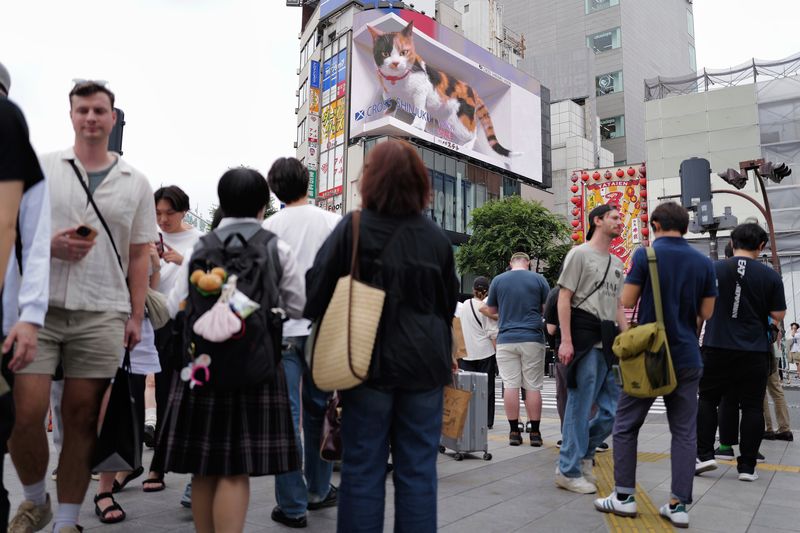
【Financial News Tokyo=Reporter Hye-jin Seo】Shinjuku City, which has the largest number of private lodging facilities in Japan, will in principle ban private lodging operations in residential neighborhoods and near schools, including at existing facilities. The measure follows a 65% year-on-year surge in complaints related to noise and trash. As regulations spread across Tokyo’s 23 special wards, tensions are also growing between protecting residents’ daily lives and accommodating tourists.
According to Nihon Keizai Shimbun (Nikkei) on the 7th, Shinjuku City plans to revise its private lodging ordinance and implement it in the summer of 2027 after soliciting residents’ opinions and receiving deliberation by the city assembly. Shinjuku City has 3,775 private lodging facilities, the largest number among local governments in Japan.
The proposed revision would in principle ban private lodging operations in exclusively residential areas and educational districts with a high concentration of schools. The measure would apply not only to new facilities but also to those already in operation. In commercial areas, the city is also considering reducing the number of days operations are permitted from the current 180 days to 120 days per year.
Japan’s Private Lodging Business Act allows operations for up to 180 days a year and permits local governments to impose additional restrictions on areas and periods through ordinances. Shinjuku City currently bans weekday operations in exclusively residential areas.
However, the city moved to strengthen regulations after complaints related to private lodging, including noise and trash, surged 65% year on year to 924 in fiscal 2025. Since last year, Shinjuku City has issued business suspension orders to 60 facilities and business closure orders to 15.
The Japan Tourism Agency and other authorities also revised their guidelines last July to allow local governments to ban private lodging through ordinances when residential or educational environments may be harmed. Because the measure would restrict operations at existing facilities as well, Shinjuku City plans to carefully review its scope of application.
Private lodging regulations are spreading across Tokyo’s 23 special wards. With Edogawa City also moving to enact an ordinance, all 23 wards will have regulations restricting the areas or periods in which private lodging operations are permitted.
Starting this coming December, Toshima City will ban the establishment of new private lodging facilities in about 70% of its area and reduce the number of days existing facilities may operate from 180 to 120 per year. Sumida City and Katsushika City have also restricted private lodging operations mainly to weekends since April this year.
As of November last year, Tokyo’s 23 special wards had approximately 15,000 private lodging facilities, 2.2 times more than five years earlier. Private lodging helped address hotel shortages by accommodating the surge in foreign tourists after the COVID-19 pandemic, but it also increased residents’ complaints about noise, trash and unauthorized operations.
Nikkei noted, "Tourism gentrification, in which rents rise and existing residents are pushed out as the number of tourists and lodging facilities increases, appears to be spreading." The paper said that changes in the composition of residents and local communities could become a bigger problem of overtourism than short-term tourism revenue.
The Japanese government is maintaining its goal of increasing the number of visitors to Japan from 42.68 million last year to 60 million in 2030. Nikkei reported that if private lodging regulations spread, lodging shortages could worsen, while affordable travel options could decrease not only for foreign visitors but also for Japanese people.
[email protected] Reporter Hye-jin Seo Reporter