"Preventing 'empty-house' Jeonse"... Restrictions on Guarantee Subscription for Non-Return of Jeonse Deposit
- Input
- 2026-09-07 14:30:09
- Updated
- 2026-09-07 14:30:09
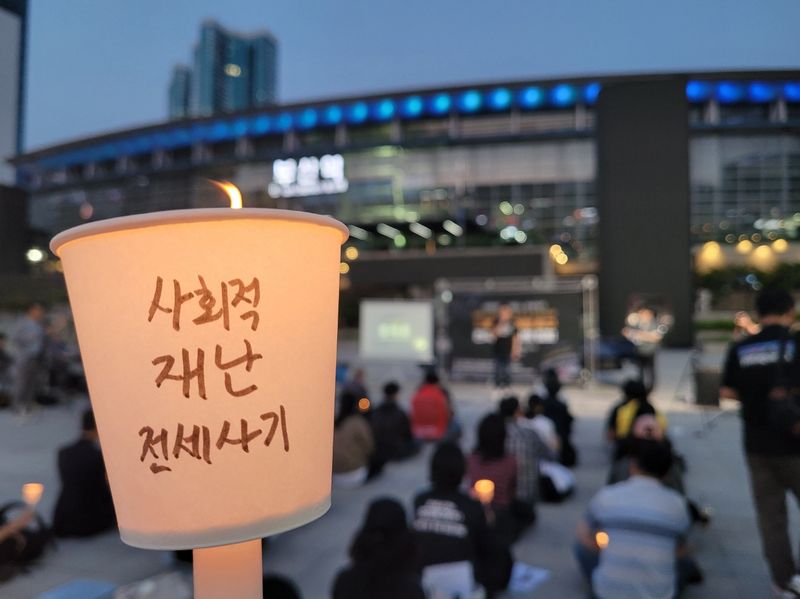
According to the three guarantee institutions on the 7th, this measure was established to prevent the provision of guarantee services to tenants with a high likelihood of "Jeonse fraud." It involves sharing information on landlords who fail to return security deposits among the Korea Housing Finance Corporation, Korea Housing & Urban Guarantee Corporation, and SGI Seoul Guarantee (the three guarantee institutions) to restrict the handling of return guarantees. The aim is to curb recurring Jeonse fraud and prevent guarantee accidents. Following this measure, each guarantee institution plans to centralize and manage the information on landlords who have not returned deposits at the Korea Credit Information Service and utilize this information during the guarantee screening process.
Information on landlords who have not returned funds may be collected and shared without the landlord's consent in accordance with the Enforcement Decree of the Credit Information Act, which was amended and implemented last February. Information on landlords who have not returned funds that occurred after the effective date will be shared. However, the ban on security deposits for landlords who have not returned funds is scheduled to be implemented starting October 1.
The three guarantee companies plan to post notices on their respective websites this coming September to provide advance notice of the relevant details. In addition, to resolve the information asymmetry faced by tenants, starting September 21, tenants will be able to check whether the landlord has guarantee restrictions before signing a Jeonse contract through the Korea Housing & Urban Guarantee Corporation's 'Ansim Jeonse App'.
[email protected] Park Mun-su Reporter