Jeju Influenza Detection Rate Doubles in One Week to 36.4%—Spread Begins 10 Weeks Earlier Than Last Year
- Input
- 2026-09-07 10:17:50
- Updated
- 2026-09-07 10:17:50
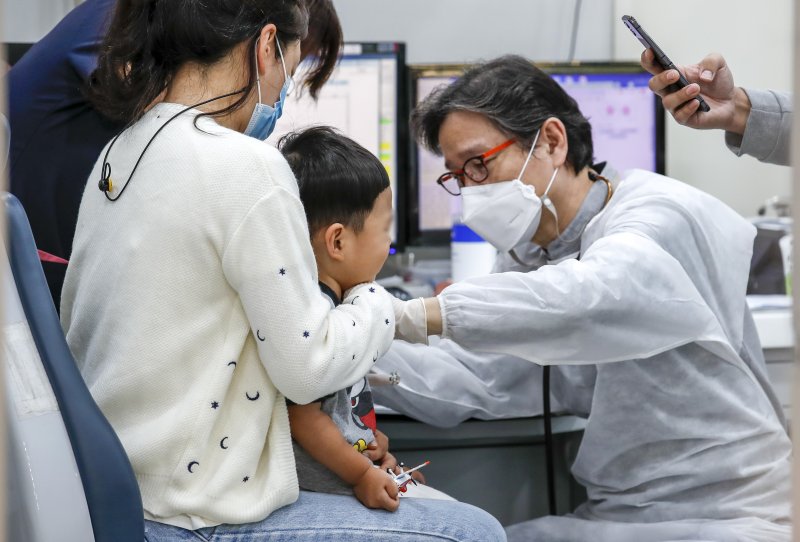
【Financial News Jeju = Reporter Yong-bok Jeong】 Jeju Province’s influenza virus detection rate more than doubled in one week, rising from 17.6% to 36.4%. The first detection this year also occurred about 10 weeks earlier than last year.
According to the Jeju Provincial Institute of Health and Environment on the 7th, influenza was first detected in Jeju Province during Week 32, from August 2 to 8, through the Korea Respiratory Virus Integrated Surveillance System (K-RISS), part of the National Integrated Respiratory Virus Surveillance Program.
The detection rate was 15.0% in Week 32, 13.0% in Week 33, 25.0% in Week 34, and 17.6% in Week 35. It rose to 36.4% in Week 36, from August 30 to September 5. That was an increase of 18.8 percentage points in one week, or about 2.1 times the previous rate.
The detection rate is the proportion of specimens collected at participating medical institutions from patients with respiratory infection symptoms in which the virus was identified. It does not mean that 36.4% of Jeju Province residents were infected with influenza.
The early start of this year’s outbreak is also notable. In Jeju Province, influenza was first detected in Week 42 last year, but it was identified from Week 32 this year—about 10 weeks earlier.
Detection rates were highest among school-age children. An age-group analysis combining specimens from Weeks 32 through 36 found that the influenza detection rate was highest among those aged 7 to 12, at 42.9%. The rate was 33.3% among children aged 0 to 6, followed by 18.2% among those aged 50 to 64, 17.1% among those aged 65 and older, 16.7% among those aged 19 to 49, and 12.5% among those aged 13 to 18.
National patient surveillance also showed a clear increase among elementary school-age children. In the Korea Disease Control and Prevention Agency’s Week 35 sentinel surveillance, the number of influenza-like illness patients was 13.3 per 1,000 outpatients, up 44.6% from 9.2 the previous week. It was more than double the 6.4 recorded during the same period last year.
The rate was highest among those aged 7 to 12, at 36.5 per 1,000, followed by 22.6 among children aged 1 to 6.
The virus detection rate is also rising. At nationwide clinic-level medical institutions, the influenza virus detection rate in Week 35 was 12.3%, up from 10.0% in Week 34.
For the same period, the Week 35 detection rate was 17.6% in Jeju Province and 12.3% nationwide. The number of influenza inpatients at hospital-level medical institutions nationwide also increased from 43 in Week 32 to 78 in Week 33, 89 in Week 34, and 162 in Week 35. That was about a 3.8-fold increase over three weeks.
COVID-19 also rose simultaneously in Jeju Province. The COVID-19 virus detection rate in Jeju Province was 0% in Week 32, 17.4% in Week 33, 15.0% in Week 34, and 11.8% in Week 35 before jumping to 30.3% in Week 36.
An age-group analysis for Weeks 32 through 36 showed the highest rate among those aged 19 to 49, at 30.0%. They were followed by those aged 13 to 18 at 25.0%, 7 to 12 at 14.3%, 50 to 64 at 13.6%, 0 to 6 at 9.5%, and 65 and older at 8.6%.
The nationwide COVID-19 detection rate in Week 35 was 11.7%, similar to Jeju Province’s 11.8% during the same week. Nationwide COVID-19 inpatients at hospital-level medical institutions totaled 109, up 78.7% from 61 the previous week.
Jeju Province is preparing for a large influx of people. The 46th National Sports Festival for the Disabled will be held across Jeju Province from the 11th to the 16th. Athletes and officials from 31 sports will visit the province. Population movement will also intensify during the Chuseok holiday from the 24th to the 27th, when many people travel to their hometowns or visit tourist destinations.
The Jeju Provincial Institute of Health and Environment plans to strengthen respiratory-specimen testing through partner hospitals and the KDCA surveillance network, while closely monitoring trends in influenza and COVID-19 cases.
The national influenza vaccination program will also begin on the 21st. Children requiring two doses and pregnant women will be vaccinated first, starting on the 21st. Beginning on the 28th, vaccinations will expand to children eligible for a single dose, followed by people aged 75 and older from October 12.
Starting this year, the age limit for children eligible for free vaccinations will be expanded from 13 to 14. Given that the 7- to 12-year-old group has the highest influenza detection rate in Jeju Province, the importance of vaccinations for school-age children and personal hygiene measures has also grown.
Oh Soon-mi, director of the Jeju Provincial Institute of Health and Environment, said, "As interpersonal contact is expected to increase ahead of the National Sports Festival for the Disabled and Chuseok, people should wash their hands, follow cough etiquette, and wear masks if they have symptoms. Those eligible for vaccination should check the schedule and take part in the program."
[email protected] Yong-bok Jeong Reporter