U.S. Says It Is "Waiting for South Korea to Contribute Resources" as Seoul Reviews Strait of Hormuz Role
- Input
- 2026-09-07 09:46:50
- Updated
- 2026-09-07 09:46:50
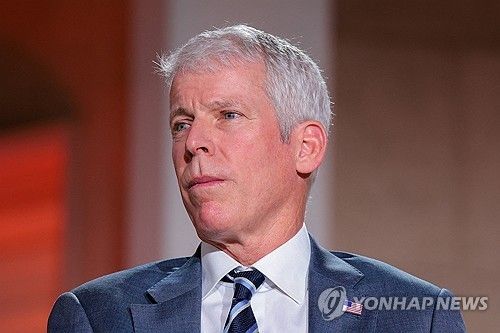
[Financial News] The administration of U.S. President Donald Trump said on the 6th, local time, that it was "waiting for the South Korean government to contribute resources" to the Strait of Hormuz.
A White House official told Voice of America (VOA) that South Korea is "one of the major importers of crude oil from the Middle East" and that "we are still waiting for South Korea to contribute resources to the region," referring to Seoul's review of possible military contributions to the Strait of Hormuz.
A United States Department of Defense (DoD) official also told South Korean media, "President Trump has publicly stated that he expects allies to step forward and provide support to protect freedom of navigation in the Strait of Hormuz." The official added, "Please ask the South Korean government about any potential deployment of assets or personnel."
In a media interview on the 30th of last month, President Trump repeated his claim that South Korea and North Atlantic Treaty Organization (NATO) countries had not helped in connection with the war with Iran, saying, "Remember that." He also stressed that if allies do not step up for the United States, Washington cannot continue helping them unilaterally.
Meanwhile, U.S. Secretary of Energy Chris Wright also said the same day that he expected allies and partner countries to expand their roles promptly in the Strait of Hormuz.
In interviews with CNN, Fox News and other outlets, Wright emphasized that U.S. military operations supporting the transport of crude oil through the Strait of Hormuz are essential. He also said other countries need to join the effort by providing military assets and other support. "Global trade is important," he said. "It should not be America's responsibility alone."
He said, "Many ships are passing through the strait, and of course, U.S. military support is necessary for this," adding, "Iran is still causing problems, but the U.S. Navy is winning that fight."
Asked whether the U.S. military's support operations in the Strait of Hormuz represented a 'new normal,' Wright replied, "As of today, yes."
He continued, "But looking ahead, I think other countries will come and join us in this effort."
In an interview with Fox News, Wright also said, "The other military assets currently involved, apart from those of the United States, are from our friends and allies in the region," adding, "We hope such assets will also come from outside the region. We hope that happens soon."
The remarks are interpreted as expressing an expectation that allies and partner countries outside the Middle East will expand their military contributions. They have drawn particular attention because they came as the United States has been urging its allies to take on a greater role in ensuring safe navigation through the Strait of Hormuz.
As the United States continues to press its allies to expand their roles, a Blue House official said on the 4th that South Korea was reviewing practical ways to contribute to operations in the Strait of Hormuz, including military contributions.
Asked whether the government could consider deploying troops overseas, the official said, "I believe we may have room to act, as long as it does not significantly undermine our readiness posture on the Korean Peninsula."
[email protected] International Affairs Specialist Lee Seok-woo Reporter