Jeju Beach Season Ends After 75 Days; One in Five Arrivals in First Five Days of September Was a Foreign Visitor
- Input
- 2026-09-06 17:10:55
- Updated
- 2026-09-06 17:10:55
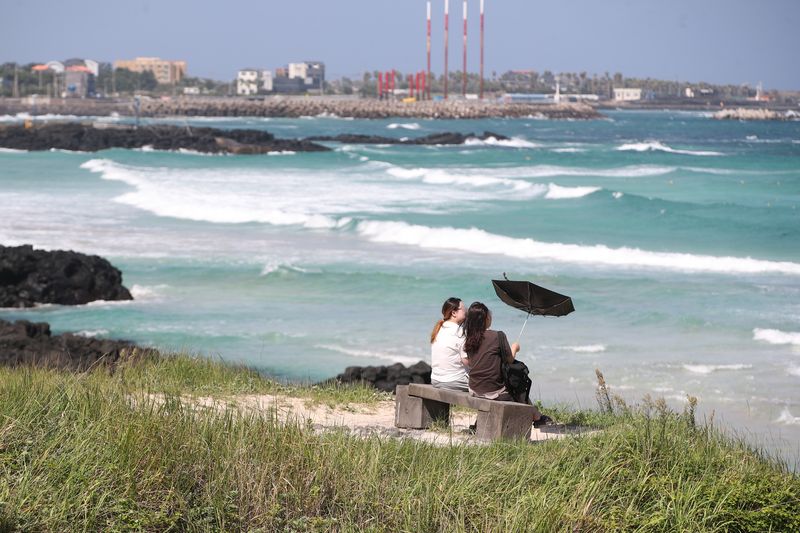
【Financial News, Jeju=Jung Yong-bok】 The 12 designated beaches on Jeju Island closed on the 6th after operating for 75 days, six days longer than last year. Even as the official summer beach tourism season came to an end, preliminary figures showed that roughly one in five visitors arriving in Jeju during the first five days of September was a foreign visitor.
According to Jeju Island and other sources on the 6th, eight beaches in Jeju City—Geumneung, Hyeopjae, Gwakji, Hamdeok, Iho Tewoo, Woljeong, Samyang and Gimnyeong—and four in Seogwipo City—Hwasun Geummorae, Jungmun Saekdal, Pyoseon and Sinyang Seopji—ended operations at 7 p.m. that day.
This year’s beach operating period ran for 75 days, from June 24 to September 6. That was six days longer than last year’s June 24 to August 31 period. Starting this year, all 12 beaches also adopted the same operating schedule, whereas their schedules had differed until last year.
Jeju Island set a target of 1.6 million beach visitors this year, about 10% more than the 1,448,500 recorded last year.
Visitor numbers rose 27.7% last year from 2024. Hamdeok Beach recorded the highest figure at 703,064, followed by Hyeopjae with 144,845, Jungmun Saekdal with 110,880 and Geumneung with 110,343.
Whether the 75-day operating period led to an increase in visitors will be confirmed after the beaches close that day. Whether the target of 1.6 million was achieved will be the first report card on the extended operating period.
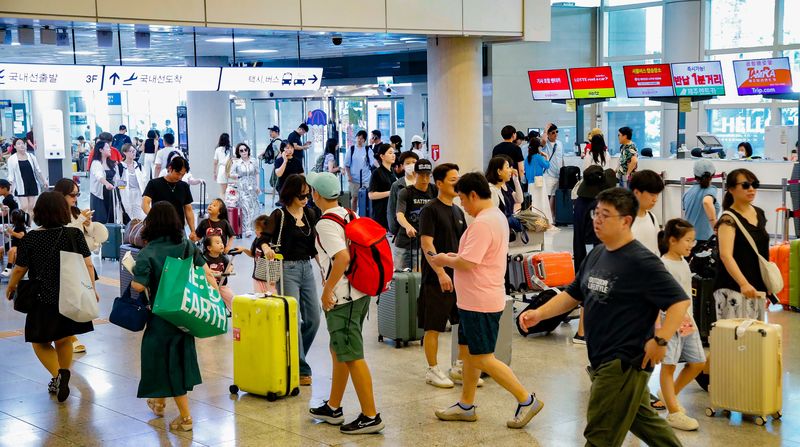
As the beaches closed, the influx of foreign visitors continued to shape Jeju’s tourism mix.
According to the combined daily preliminary figures from the JEJUTOURISM BIG DATA PLATFORM for September 1 to 5, a total of 180,237 visitors arrived on Jeju Island during the period. Domestic visitors numbered 145,103, while foreign visitors totaled 35,134, putting the foreign share at 19.5%.
The number of foreign visitors arriving on the 5th was 5,702, up 27.7% from the same day of the week a week earlier and 55.1% from the same day of the week in the previous month.
The foreign visitor figure for the first five days of September is preliminary. Daily fluctuations are also significant depending on international flight schedules and cruise arrivals. Since the figure may change in the finalized monthly statistics, it is too early to assess the entire autumn market based solely on the five-day performance.
However, the increase in foreign tourists has continued since the first half of this year. In the finalized June statistics, foreign visitors numbered 249,035, accounting for 22.2% of the 1,120,649 total arrivals on Jeju Island. The 19.5% foreign share in the first five days of September was lower than in June, but it remained around 20% even as the summer vacation season ended.
The foreign market remains heavily dependent on China. In June, Chinese arrivals totaled 176,249, far exceeding arrivals from Japan at 8,274 and Hong Kong at 7,525. This is why Jeju Island is seeking to broaden overseas demand to Japan, Southeast Asia and high-income tourism markets.
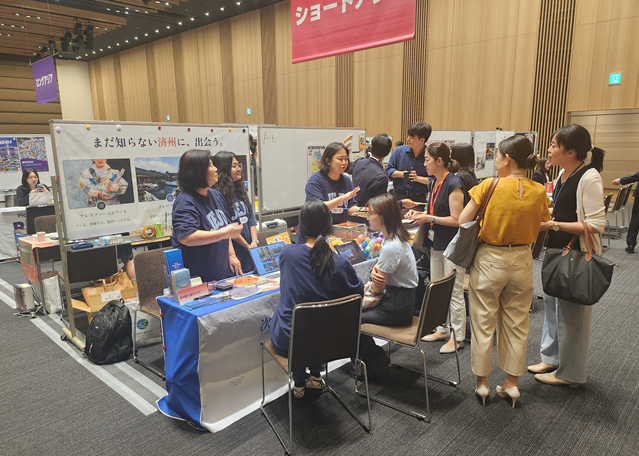
Jeju Island and the Jeju Special Self-Governing Tourism Association participated with local tourism businesses in the JTB Overseas Travel EXPO held in Tokyo from the 26th to the 29th of last month, conducting local sales activities aimed at expanding sales of Jeju tourism products to the Japanese travel industry. The number of Japanese tourists visiting Jeju Island in the first half of this year was about 50,000, up approximately 64% from the same period last year.
An official from the Jeju Special Self-Governing Tourism Association said, "We will continue sales activities and network-building with the local tourism industry to attract Japanese tourists and enhance the competitiveness of Jeju tourism products."
Jeju Island is focusing not only on the number of foreign tourists but also on extending their stays and increasing their spending. It is also pursuing the development of overseas transit packages and premium tourism products while diversifying beyond the China-centered market.
Hwang Gyeong-seon, director of Jeju Island’s Tourism Exchange Bureau, said, "The key is to attract high-value tourists and turn that into longer stays and increased spending at local businesses. We will strengthen marketing by leveraging overseas networks so that the tourism industry and small business owners can see tangible benefits."
The summer beach season ends that day, but competition for autumn tourists has already begun. The Jeju Special Self-Governing Tourism Association has also launched on-site marketing in major cities across the country, promoting Jeju tourism products as well as nighttime and culinary tourism ahead of Chuseok and the autumn holidays.
Two figures will be watched going forward: whether the number of visitors to the beaches over the 75-day period actually exceeded Jeju Island’s target of 1.6 million, and whether the early-September flow of 35,000 foreign visitors leads to autumn stays and spending in local communities.
[email protected] Jung Yong-bok Reporter