Japan to Cut Food Consumption Tax to 1%, Then Restore It to 8%; Cash Handouts Planned to Cushion ‘Tax Hike Shock’
- Input
- 2026-09-06 16:02:57
- Updated
- 2026-09-06 16:02:57
【Financial News Tokyo = Correspondent Hye-jin Seo】The Japanese government is considering providing cash payments to middle- and low-income households when it restores the food consumption tax rate from 1% to 8% on April 1, 2029. The measure is intended to cushion the impact on households of a seven-percentage-point increase and allow the temporary tax cut to end as scheduled.
According to The Asahi Shimbun on the 6th, the Japanese government is discussing cash payments for middle- and low-income households in April 2029. Japan plans to lower the food consumption tax rate from the current 8% to 1% for two years starting next April, then restore it to 8% in April 2029.
The Japanese government believes that restoring the rate from 1% to 8% could effectively be perceived as a “major tax increase.” Its plan is to provide cash payments when the rate is raised, ease the burden on households, and create the political and social conditions needed to restore the consumption tax rate to its original level.
The food consumption tax cut is a bridge measure until fiscal 2029, when an “income-linked benefit,” or refundable tax credit, supporting middle- and low-income workers is scheduled to be fully introduced. Under a refundable tax credit, a set amount is deducted from taxes owed, and if the credit exceeds the tax liability, the difference is paid in cash.
The timing of the payments is the main issue. Because the income-linked benefit is scheduled to be paid each autumn, household burdens would rise first in 2029 for roughly six months—from the consumption tax increase in April until the benefits are paid in autumn. The government is considering splitting the annual payment into two installments, with part of the amount scheduled for autumn paid in advance in April and the remainder paid in autumn. The eligible recipients and payment amounts have not yet been decided.
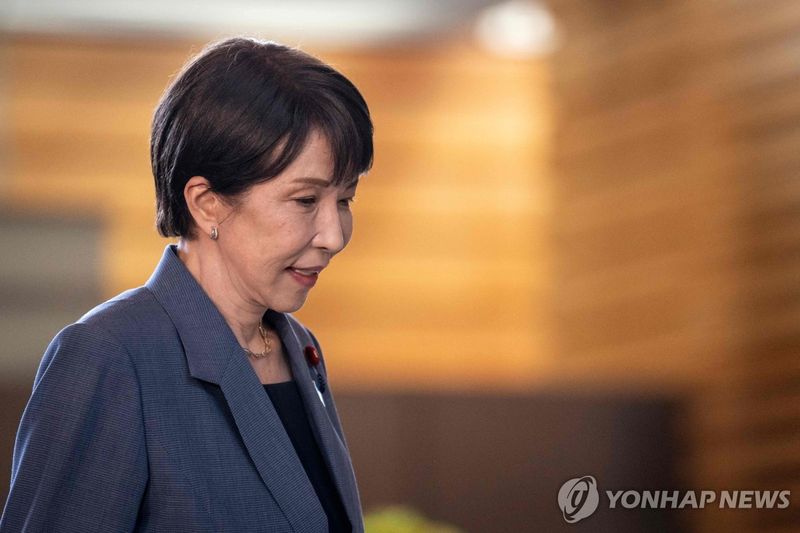
Japanese Prime Minister Sanae Takaichi said that middle- and low-income people eligible for the new benefit would “receive support exceeding the benefits gained from the consumption tax cut.” Regarding the food consumption tax rate, she also pledged, “Two years from now, I will take responsibility and definitely restore it to its original level.”
However, it remains unclear whether the tax cut will end as planned. The House of Councillors election is scheduled for summer 2028, just before the planned end of the cut, and restoring the consumption tax rate could become a key election issue. Concerns are also emerging within the Japanese government and ruling party that it would be difficult to raise a rate once it has been lowered.
Fiscal pressure is another variable. The food consumption tax cut requires approximately ¥5 trillion a year in funding. If the cut is extended, the government would also have to secure enormous permanent funding, in addition to the refundable tax credit expected to cost several trillion yen. The Asahi Shimbun reported that if the tax cut and cash payments continue simultaneously over the long term, Japan’s fiscal deterioration could worsen.
[email protected] Hye-jin Seo Reporter