Iran mocks sanctions... Billions of dollars annually pass through U.S. financial network via shell companies
- Input
- 2026-09-06 17:59:30
- Updated
- 2026-09-06 17:59:30

On the 5th (local time), the U.S. daily The Wall Street Journal (WSJ) reported that "Iran is using the U.S. dollar payment network through shell companies and foreign financial institutions."
According to reports, Iran establishes shell companies instead of opening direct accounts with U.S. banks. After setting up these shell companies in places like Hong Kong or the United Arab Emirates (UAE), it moves funds using local financial institutions that have correspondent banking relationships with U.S. banks. The Wall Street Journal explained that if Iran conceals the actual entity involved in the transaction by complexly linking shell companies and currency exchange firms, the U.S. banks that ultimately process the settlement of the correspondent transactions approve the deal without being aware of this.
Recently, the UAE branch of Egypt's state-owned bank, Banque Misr, was identified as having facilitated Iran's access to the U.S. financial network. According to the U.S. Department of the Treasury, the Banque Misr UAE branch processed approximately $1.8 billion (about 2.4 trillion won) for 103 companies potentially linked to Iran from January 2024 to June of this year. Consequently, the United States government has initiated procedures to block the Banque Misr UAE branch from opening or maintaining correspondent accounts with U.S. financial institutions.
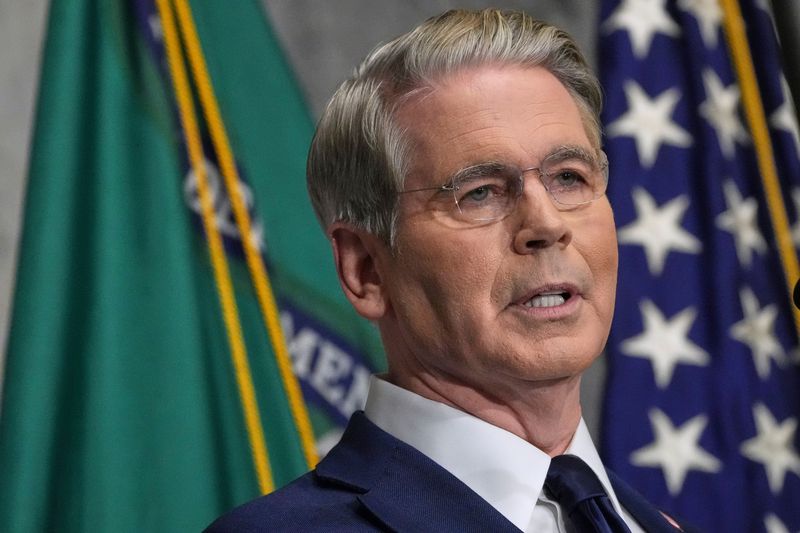
While the Donald Trump administration has recently called on financial institutions around the world to strengthen monitoring of Iran-related transactions in order to cut off Iran's funding sources, it is deliberating on the level of sanctions to impose on financial institutions used for Iran's dollar settlements.
In fact, instead of imposing secondary sanctions on the Banque Misr UAE branch, the Treasury Department chose to block access to U.S. bank correspondent accounts. This appears to be because completely blocking a foreign bank from the U.S. financial system would not only make it virtually impossible for the bank to survive but could also have a cascading effect on the international financial system.
Furthermore, from the perspective of U.S. banks, correspondent banking services are a revenue-generating business that provides not only fees but also funding through deposits. Under these circumstances, there is also an apparent calculation that punishing U.S. banks could impact the U.S. financial industry.
In particular, it is pointed out that tightening the crackdown risks weakening the dollar's dominance as countries seek alternatives, such as the Renminbi (RMB). Jason Prince, a partner at the law firm Arkin Gump, noted, "If the U.S. government tries to take all measures at once, it could trigger a chain reaction that runs counter to its goals."
[email protected] Hong Chae-wan Reporter