"Osteoporosis Is a Women's Disease? Men Are Not Exempt Either"—Male Menopause Quietly Weakens Bones First [Health Check]
- Input
- 2026-09-05 18:23:44
- Updated
- 2026-09-05 18:23:44
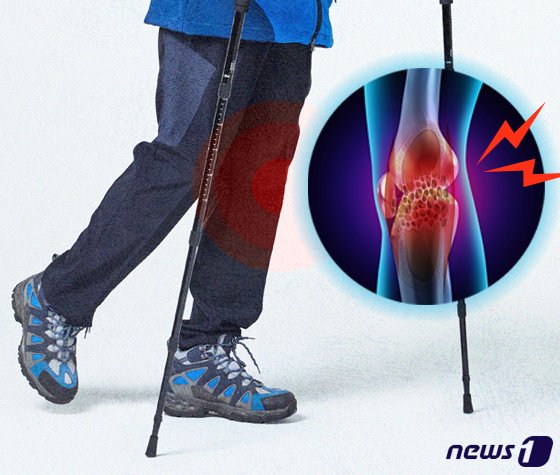
[Financial News] The risk of osteoporosis in women after menopause is well known, and prevention and management efforts are widely implemented. In contrast, awareness remains low that men can also experience reduced bone mineral density when male hormone levels decline during male menopause.
A research team led by Bae Woong-jin, first author and professor of urology at The Catholic University of Korea, Seoul St. Mary’s Hospital, and Lee Dong-seop, professor of urology at The Catholic University of Korea St. Vincent’s Hospital, found that testosterone and vitamin D deficiencies are key independent risk factors for reduced hip bone mineral density. The findings showed that simultaneously evaluating and managing both levels is crucial to protecting bone health.
Only 7% of Men Undergo Osteoporosis Testing—"They Are in a Blind Spot"
According to the study, the prevalence of osteopenia among men aged 60 and older reaches 50%, similar to the rate among women. However, only 7% of patients diagnosed with low male hormone levels were found to have undergone bone mineral density testing. This indicates that male osteoporosis remains in a serious blind spot.
The research team tracked and analyzed data from 557 men aged 60 and older who underwent health screenings at The Catholic University of Korea, Seoul St. Mary’s Hospital, and The Catholic University of Korea St. Vincent’s Hospital between January 2020 and December 2024. Using the standard method for measuring bone mineral density, dual-energy X-ray absorptiometry (DXA), the researchers calculated bone mineral density in the lumbar spine and hips. They also precisely measured blood testosterone and vitamin D levels using liquid chromatography-tandem mass spectrometry (LC-MS/MS).
After adjusting for factors affecting bone mineral density, the researchers found that the determinants differed by body region. Lumbar spine density was influenced by body mass index (BMI) and male hormone levels, while hip density was affected by age, BMI, male hormone levels, and vitamin D.
Bone Loss Accelerates When Testosterone and Vitamin D Are Both Deficient
Testosterone and vitamin D were each independently identified as key factors in maintaining hip bone mineral density. Specifically, men with testosterone deficiency—below 3.5 ng/mL—and those with insufficient vitamin D—below 30 ng/mL—had approximately 1.9-fold and 1.6-fold higher risks, respectively, of reduced hip bone mineral density than men in the normal groups.
The two factors not only affected the hip independently but also interacted with each other. Statistical analysis showed that changes in hip bone mineral density according to vitamin D levels were more pronounced in the group with insufficient testosterone, which helps increase bone density and strength, than in the normal group. This suggests that when testosterone is deficient, a further decline in vitamin D sharply reduces calcium absorption efficiency, accelerating bone loss.
Unlike the spine, the hip is a vulnerable area where bone loss becomes concentrated with advancing age. A femoral fracture can require prolonged bed rest, and various complications that arise during this period may even threaten a patient's life. In fact, after osteoporotic fractures, men face higher mortality rates and greater economic treatment burdens than women.
Because men can also suffer serious effects on bone health during male menopause, an integrated approach is essential when treating male menopause. This should include simultaneously evaluating and managing testosterone and vitamin D levels.
Professor Bae said, "For middle-aged and older men, it is important to check testosterone and vitamin D levels together and manage them proactively. Do not dismiss symptoms of male menopause, such as fatigue, reduced muscle strength, and decreased sexual function. I recommend undergoing regular hormone and bone mineral density tests through a urology specialist."
Professor Lee stated, "Hip fractures and similar injuries can seriously threaten the health and quality of life of older patients, so they require a multifaceted approach rather than being dismissed as simple aging. I hope the findings of this study will be used as clinical guidance that provides practical help to more patients."
[email protected] Medical Correspondent Jeong Myeong-jin Reporter