"Coughing Every Change of Season Despite Having No Fever"...The Culprit Wasn't a Cold [Health Talk]
- Input
- 2026-09-05 17:41:02
- Updated
- 2026-09-05 17:41:02
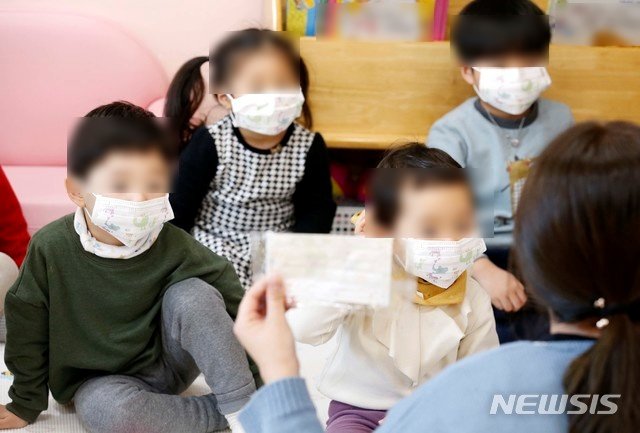
[Financial News] If a child has a dry cough that persists for weeks to months without a fever, there is a strong possibility that it is pediatric asthma rather than a cold. Because its early symptoms resemble those of a cold, making it difficult for caregivers to distinguish between the two, it is important to carefully observe the pattern of the cough.
The fall change of season is a period when respiratory illnesses surge due to large daily temperature swings, dry air, and pollen. Children with weaker immune systems may be particularly vulnerable. If a child coughs every night, caregivers should consider pediatric asthma rather than dismissing it as an ordinary cold.
Children aged 0–9 account for 21.4% of pediatric asthma patients
According to statistics from the Health Insurance Review & Assessment Service (HIRA), children aged 0–9 accounted for approximately 21.4% of all pediatric asthma patients over the past three years (2023–2025), the highest proportion among all age groups.
Kim Joo-hee, a professor in the Department of Pediatrics at Kyung Hee University Hospital, said, "Compared with adults, children have narrower airways, and their mucociliary clearance function and immune systems are immature, making them far more vulnerable to changes and irritants in the external environment." She added, "In particular, the cold, dry air during seasonal transitions can narrow the bronchial tubes and weaken respiratory immunity, which filters out foreign substances, so special caution is needed."
Because its early symptoms resemble those of a cold, pediatric asthma is often difficult for caregivers to distinguish. Rather than simply checking whether a cough is present, it is important to determine whether systemic symptoms such as fever accompany it and when and under what circumstances the cough repeatedly occurs.
How is it different from a cold? A dry cough persists without a fever
A cold is caused by a viral infection and typically involves fever during the first two to three days, along with systemic symptoms such as headache, sore throat, muscle aches, loss of appetite, and chills. It usually improves within one to two weeks. Pediatric asthma, by contrast, is characterized by itching of the eyes and nose and sneezing that persist or recur for weeks to months without systemic symptoms such as fever.
Professor Kim emphasized, "If a cough becomes particularly severe at night or in the early morning, during exercise or running, or after inhaling cold air, or if a wheezing sound is heard when the child breathes, pediatric asthma should be suspected." She continued, "Consistent management of chronic airway inflammation with inhaled steroids and other treatments can help prevent progression to adult asthma and preserve healthy lung function during childhood."
Asthma requires not only routine management but also preparation for sudden coughing attacks or difficulty breathing. Carefully monitor the child's breathing and coughing patterns. If the child is gasping for breath—or, especially in infants and toddlers, shows severe respiratory distress in which the areas above the collarbones and below the ribs visibly sink inward while breathing—go to an emergency room immediately.
Professor Kim advised, "To protect respiratory health during seasonal transitions, keep indoor temperatures around 22°C and humidity around 50% to reduce irritation of the airway lining. When going outside, wearing a mask can help prevent direct exposure to cold, dry air." She added, "Consistent environmental management combined with appropriate medication is the way to prevent asthma from worsening."
Tips for Children's Respiratory Health and Response During Seasonal Transitions
*Visit a pediatrician if coughing continues for more than two weeks even after giving the child cold medicine
*Wash bedding in hot water and minimize the use of stuffed animals and thick carpets
*Instead of cold drinks, give the child small amounts of lukewarm water frequently to keep the airways moist
*Seek medical attention immediately if the child has to pause while speaking because of shortness of breath or is unable to feed
[email protected] Medical Specialist Jung Myung-jin Reporter