“There Is No Healthy Severe Obesity”—The Heart Knows First [Health Talk]
- Input
- 2026-09-05 17:14:21
- Updated
- 2026-09-05 17:14:21
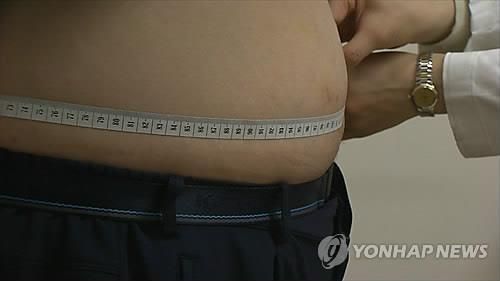
[Financial News] There is no such thing as “healthy severe obesity” without diabetes or hypertension. Even among young patients with severe obesity who have no metabolic diseases, cardiac abnormalities—including thickening of the heart muscle and impaired relaxation—are being detected with notable frequency.
Lee Seong-bae, director of the Obesity and Metabolic Surgery Center at Incheon Sejong Hospital, explained, “Patients with severe obesity often think, ‘I don’t have diabetes, and my blood pressure is normal, so I’m healthy aside from being obese.’ However, in actual clinical practice, abnormalities in cardiac structure or function are not uncommon even among young patients with severe obesity who have no obvious metabolic diseases, such as diabetes or hypertension.”
He emphasized, “In particular, cardiac tests performed before obesity and metabolic surgery may show patients whose ejection fraction (EF), an indicator of the heart’s contractile function, is normal, but whose heart muscle has thickened, whose relaxation function has declined, or whose global longitudinal strain (GLS), which assesses subtle myocardial function, has decreased. This shows that the absence of metabolic disease does not necessarily mean that the heart is healthy.”
As weight rises, the burden on the heart increases—and inflammatory substances can also stiffen the heart
Severe obesity itself places a considerable burden on the heart. As body weight increases, blood volume and cardiac output rise to supply blood to the additional body tissue.
The heart must continuously circulate more blood than it does at a normal body weight. When this continues for years, the heart muscle may thicken and its structure may change.
The problem is not merely the physical burden caused by weight. Abdominal visceral fat and epicardial fat surrounding the heart secrete various inflammatory substances. This can lead to chronic inflammation, microvascular dysfunction, myocardial fat accumulation, and fibrosis, gradually making the heart muscle stiffer.
The center director explained, “These changes are now believed to be closely associated with heart failure with preserved ejection fraction (HFpEF). HFpEF is a form of heart failure in which the heart’s ability to contract and pump out blood remains relatively normal, but the heart muscle cannot relax properly and therefore cannot adequately fill with blood.”
“Even without diabetes or hypertension, there is no room for complacency”—Weight loss can reduce the burden on the heart
Experts stress that a normal ejection fraction on a routine cardiac test does not necessarily mean that the heart is normal. Changes such as left ventricular hypertrophy, cardiac remodeling, impaired relaxation, and reduced GLS may already have begun before symptoms appear.
It is particularly important to note that these cardiac changes do not necessarily appear only after diabetes or hypertension develops. Cardiovascular complications of obesity have traditionally been explained as a process of “obesity → diabetes, hypertension, and dyslipidemia → cardiovascular disease.” Recently, however, increasing importance has been placed on the view that obesity itself is an independent risk factor that directly affects the heart’s structure and function.
Aggressive weight loss can help reduce the burden on the heart. Studies analyzing cardiac changes after obesity and metabolic surgery have observed reductions in left ventricular mass and improvements in cardiac structure and relaxation function following substantial weight loss. Some studies have also reported improvements in GLS.
The goal of obesity treatment must not be limited to reducing the number on the scale or treating diabetes. In patients with severe obesity, it is important to consider that the heart may already have been under excessive strain for a prolonged period, even if diabetes or hypertension has not yet developed.
It is important to recognize severe obesity as a disease in its own right and, when necessary, to actively assess cardiac health. Along with appropriate dietary, exercise, and medication-based treatment, patients with severe obesity should consider intensive weight-loss treatment, including obesity and metabolic surgery.
The center director said, “The statement ‘I still don’t have diabetes, and my blood pressure is normal’ does not mean ‘my heart is still healthy.’ Ultimately, treatment for severe obesity is not simply about losing weight. It should be viewed as treatment aimed at protecting the heart before diabetes or hypertension appears and reducing the long-term risk of heart failure.”
[email protected] Medical Specialist Reporter Jeong Myeong-jin Reporter