Chairman Chung Eui-sun Makes an '8 Trillion Won Gamble,' Secures Trump's Key Ally to Build K-Steel Mill in the U.S.
- Input
- 2026-09-06 08:05:00
- Updated
- 2026-09-06 08:05:00
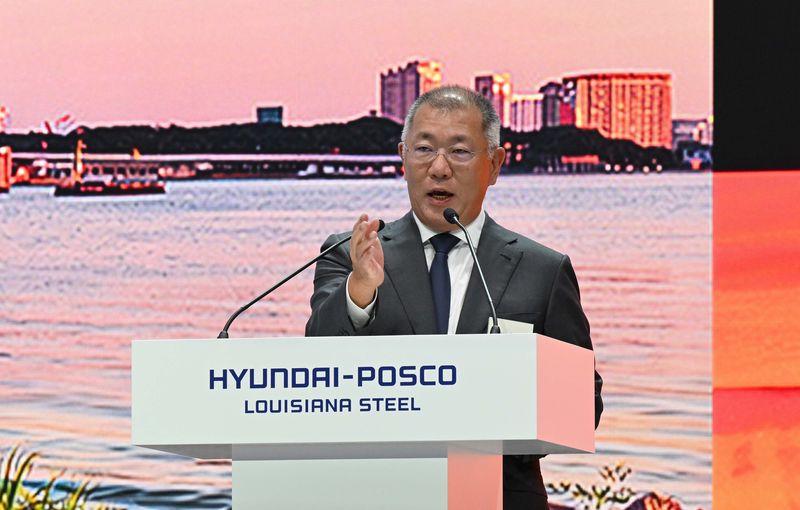
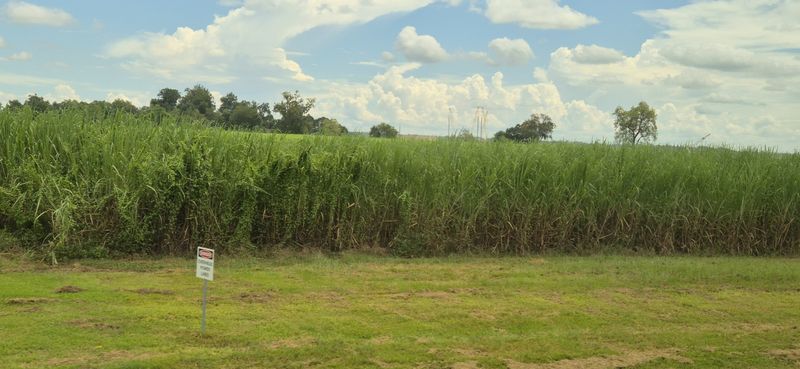
Chairman Chung plans to transform this site, formerly a vast sugarcane field near the Mississippi River, into a steel mill with an annual production capacity of 2.7 million tons by 2029, capable of employing approximately 1,300 people, with an indirect employment effect of 4,100.
William Kimmitt, the U.S. Under Secretary of Commerce, who attended the event, emphasized, "A country that cannot produce steel cannot become a great power," adding, "Hyundai Motor Group boldly responded to President Donald Trump's request to expand U.S. production capacity." This symbolic scene simultaneously demonstrates the high level of local interest in HYUNDAI-POSCO Louisiana Steel LLC, the first project among Hyundai Motor Group's total $26 billion (approximately 2.85 trillion won) investment plans in the United States announced since the launch of the second Trump administration, as well as the favorable view of Hyundai Motor Group in U.S. political circles.
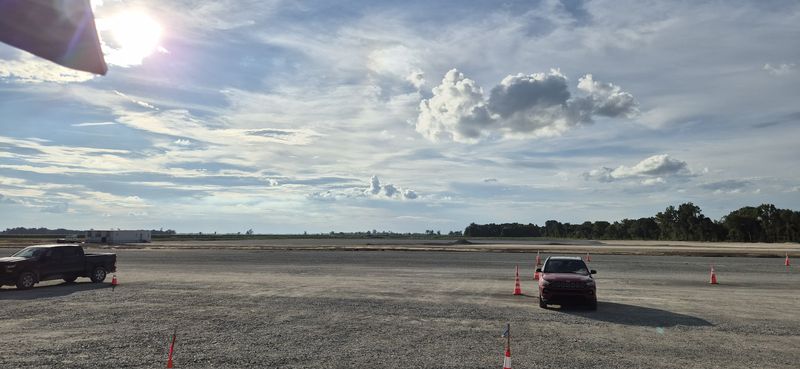
Through the operation of its first K-Steel Mill in the United States, Hyundai Motor Group will strengthen its ability to respond to high steel import tariffs, with a tariff rate of 50%, while establishing a so-called vertical production system from molten iron to automobiles across the Southern Sun Belt region of the United States: Georgia, home to Hyundai Motor Group Metaplant America and the Kia plant; Alabama, home to Hyundai Motor Company; and Louisiana, home to Hyundai Steel Company.
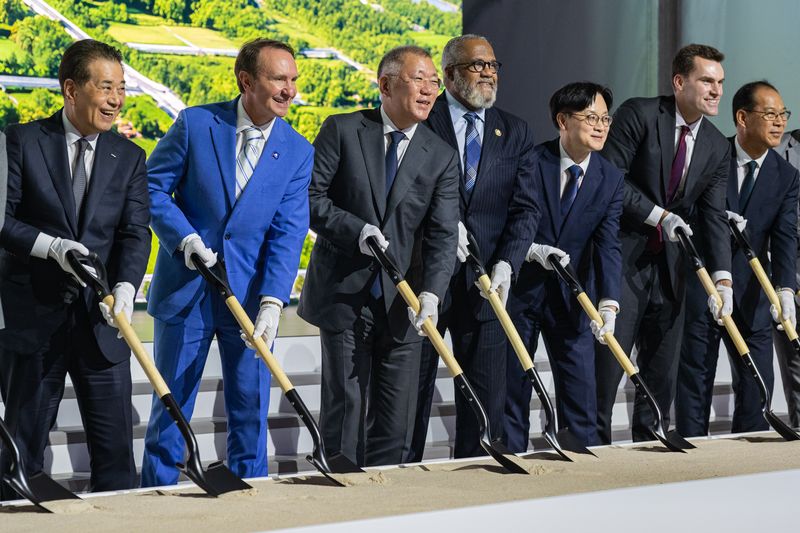
The project proceeded at lightning speed. Hyundai Steel Company's Louisiana subsidiary was established approximately two months after Chairman Chung announced Hyundai Motor Group's investment plan of more than $20 billion in the United States with President Trump at the White House last March. By the end of last year, contracts with steel mill equipment and power companies in Italy, the United States, and elsewhere had been finalized. Then, in January of this year, the company succeeded in securing POSCO, a competitor and automotive steel supplier with a 20% stake in HPLS, making it the second-largest shareholder, as an ally.
Hyundai Motor Group is reportedly considering plans to increase its local production capacity in the United States from the current 1 million vehicles to 1.2 million. At the groundbreaking ceremony, Chairman Chung explained the rationale behind building the steel mill in the United States, stating, "Contrary to popular belief, responding to tariffs was not the primary goal." He added, "We are in a situation where we need to produce and use high-value-added, low-carbon steel to improve vehicle quality." If Hyundai Motor Group can procure high-grade steel locally in the United States, its efforts to penetrate the U.S. market are expected to accelerate. Last month, Hyundai Motor Group surpassed Ford Motor Company, the third-largest player in the U.S. market, recording its highest-ever market share of 12.9%.
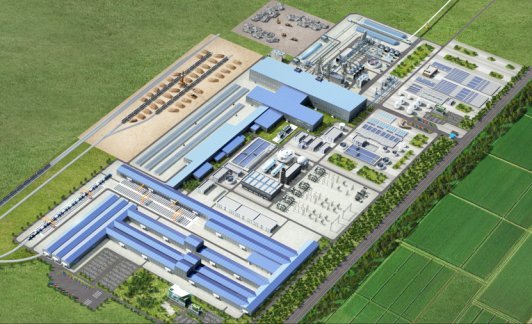
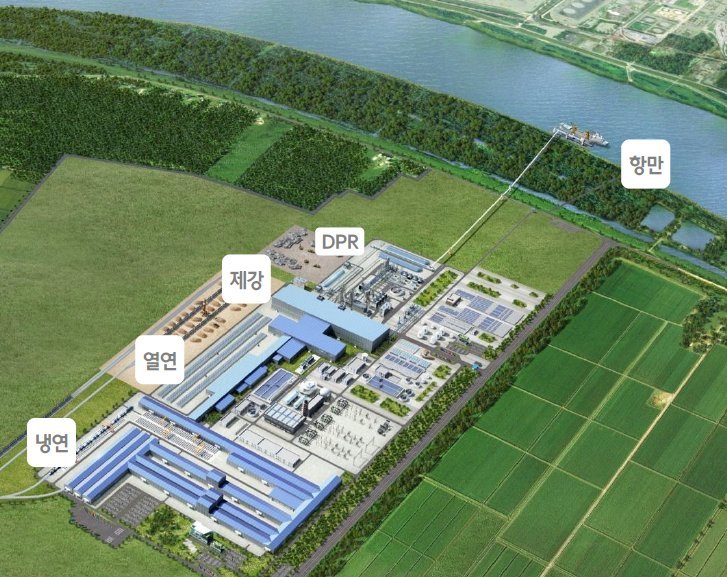
Hyundai Steel Company plans to actively pursue supplying not only Hyundai Motor Company, with 400,000 tons, and Kia Corporation, with 400,000 tons, but also North American automakers such as General Motors' Texas plant, Volkswagen's Tennessee plant, and Honda's Alabama plant. "Other automakers are also interested in HPLS steel, and we are already discussing supply with some of them," said Hyundai Motor Company President José Muñoz.
Against this backdrop, Chairman Chung specifically mentioned the North American premium automotive steel market, along with steel for humanoid robots, AI data centers, and rockets for SpaceX, as future areas of expansion, signaling his intention to actively target North America's high-value-added steel market. This is interpreted as the domestic steel industry seeking a breakthrough into high-value-added markets by establishing a local steel mill in the United States amid the triple burden of China's low-price volume offensive, protectionism in developed countries, and a stagnant domestic market.
[email protected] Jo Eun-hyo Reporter