South Korea to Become World’s Oldest Country by 2060 as Elderly Population Surpasses Infants for the First Time
- Input
- 2026-09-05 14:42:55
- Updated
- 2026-09-05 14:42:55
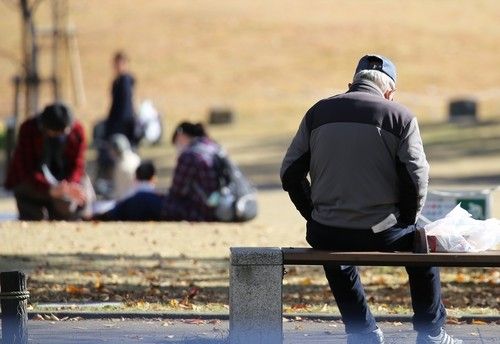
[Financial News] For the first time in human history, the global population aged 65 and over has surpassed the number of infants aged five and under. South Korea is projected to become the world’s oldest country in 2060.
According to the U.S. Census Bureau’s report “An Aging World: 2025,” released on the fourth local time, the global population aged 65 and over stood at 852 million last year, accounting for 10.5% of the total population of 8.132 billion.
By contrast, the share of children aged five and under fell below 10%. The report said this reversal in the population rankings of the youngest and oldest age groups is occurring for the first time in history.
The elderly population is expected to grow to 2 billion by 2060, with its share surging to 19.6%, while the number of infants and young children is projected to decline further to 7–8%.
The aging trend is driven by fertility rates remaining below the “replacement fertility rate,” the level needed to maintain the population, defined as 2.1 children per couple. The share of the global population living in countries with fertility rates below replacement level rose from 45% in 2013 to more than 71% in 2023. The same situation applies not only to China and India, the world’s two most populous countries, but also to Bangladesh, Mexico and Vietnam.
South Korea is projected to experience the fastest growth in its elderly population. The report forecasts that the share of people aged 65 and over will more than double from 20.3% last year to 41% in 2060, surpassing Japan and making South Korea the country with the highest proportion of elderly people.
The share of South Korea’s population aged 80 and over is expected to nearly quadruple from 4.8% last year to 18.3% in 2060, ranking third after Monaco at 27.1% and Japan at 19.4%.
The median age, which represents the midpoint of the total population’s age distribution, is also rising sharply. South Korea’s median age is expected to increase from 46 last year to 52.8 in 2040 and reach 59.2 in 2060. The old-age dependency ratio, which refers to the number of elderly people supported by every 100 working-age people aged 15 to 64, is projected to rise from 29.5 last year to 81.6 in 2060. That would be about 2.5 times the projected global old-age dependency ratio of 32.1 for the same year.
South Korea’s elderly poverty rate stood at 40.5% in 2020, the highest among Organisation for Economic Co-operation and Development (OECD) countries, where rates were around 20% or lower.
South Korea’s high poverty rate has been attributed to the delayed introduction of the national pension system, limited pension coverage and low benefit levels, as well as rising life expectancy and early retirement resulting from a seniority-based wage system.
Andrew Scott, a professor at London Business School who contributed to the report, advised that older people should be viewed as economic assets rather than social costs.
[email protected] Kang Myeong-yeon Reporter