"Heat Waves Followed by Torrential Rain, Wildfires After Droughts": The Disaster Pattern of a Warming Earth [Climate Crisis Through Disasters 2]
- Input
- 2026-09-06 06:00:00
- Updated
- 2026-09-06 06:00:00

Heat accumulated in the atmosphere and oceans by greenhouse gases is changing the conditions for heat waves, heavy rainfall, droughts, and wildfires. We examined how the intensity and damage patterns of disasters have changed on an Earth that is warmer than it was before industrialization.
[Financial News] The nature of disasters is changing as the Earth warms. Heat waves are lasting longer, while an atmosphere holding more water vapor can unleash intense rain in a short period. In areas where rainfall has stopped, soil and vegetation dry out quickly, while warmer oceans supply more energy to typhoons and hurricanes.
The World Meteorological Organization (WMO), a United Nations agency, said in its "State of the Global Climate 2025" report released in March that the period from 2015 to 2025 was the hottest 11-year period on record. The global average temperature in 2025 was about 1.43 degrees Celsius higher than the 1850–1900 preindustrial average. In 2024, the figure was 1.55 degrees higher, making it the hottest year on record.
The rise in average temperatures is not merely a matter of a year's ranking. As heat accumulates differently in the atmosphere, oceans, ice, and land, extreme weather also changes. Even the same amount of rain can fall more intensely over a smaller area, while land and forests dry out faster during rainless periods. Storm-surge damage can also increase along coastlines where sea levels have risen.
Record greenhouse gas concentrations and the collapse of Earth's heat balance
The direct cause of global warming is the increase in greenhouse gases in the atmosphere. Carbon dioxide, methane, and nitrous oxide released through the use of coal, oil, and gas, cement production, and deforestation trap heat that would otherwise escape from the Earth's surface into space. As this process intensifies, the balance between incoming and outgoing energy is disrupted.
According to the 21st edition of the WMO's "Greenhouse Gas Bulletin," the global average carbon dioxide concentration in 2024 was 423.9 parts per million, 52% higher than before industrialization. Methane reached 1,942 parts per billion and nitrous oxide 338.0 parts per billion, up 166% and 25%, respectively, from preindustrial levels. The WMO said concentrations of all three greenhouse gases had reached their highest levels on record.
Emissions have not declined either. The Global Carbon Project estimated in its "Global Carbon Budget 2025" that carbon dioxide emissions from fossil fuels and cement would reach a record 38.1 billion metric tons in 2025, up 1.1% from the previous year. The analysis said that although the deployment of renewable energy and electric vehicles has expanded, it has not kept pace with rising global energy demand.
Excess heat accumulating in the oceans and rising sea levels
Most of the heat trapped by greenhouse gases enters the oceans. The WMO explained that more than 91% of the excess heat added by human activity is stored in the oceans. About 5% is stored on land, roughly 3% is used to melt ice, and approximately 1% contributes to the rise in near-surface air temperatures that people experience.
Ocean heat content reached a new record in 2025. The WMO said ocean heat content down to a depth of 2,000 meters was the highest since observations began in 1960, setting a new record in each of the past nine years. The rate of ocean warming from 2005 to 2025 was more than twice as fast as it was from 1960 to 2005.
As the oceans warm, sea levels rise. Water expands as it warms, while meltwater from glaciers and ice sheets flows into the oceans. The WMO said the global mean sea level in 2025 was about 11 centimeters higher than when satellite observations began in 1993. The rate of sea-level rise since 2012 was also faster than during 1993–2011.
Ocean warming also affects tropical cyclones such as typhoons and hurricanes. Hotter oceans supply energy to storms. The track and damage caused by an individual typhoon vary depending on pressure systems, terrain, and disaster-prevention capacity, but high sea-surface temperatures provide the conditions for stronger rain and winds.
An atmosphere laden with water vapor and shorter periods of torrential rain
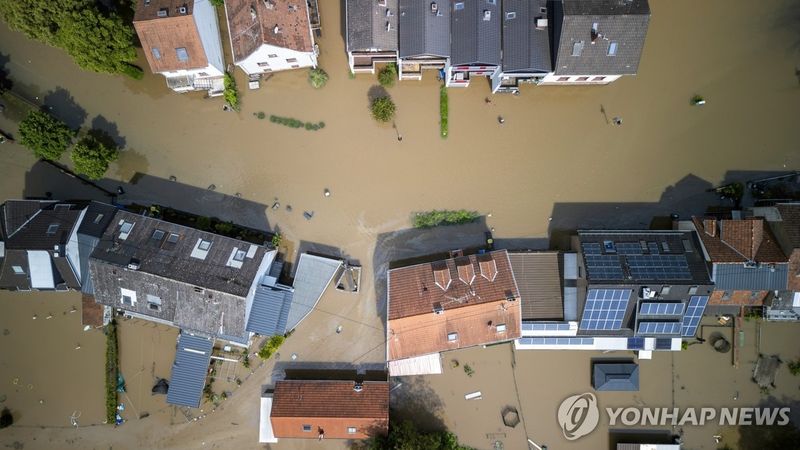
Heavy rainfall is one of the clearest phenomena through which people experience climate change. A warmer atmosphere can hold more water vapor. The Clausius–Clapeyron relationship, which states that the amount of saturated water vapor increases by about 7% for every 1-degree Celsius rise in temperature, is used as a basic explanation.
When upward currents strengthen in an atmosphere containing more water vapor, large amounts of rain can fall in a short time. If intense rainfall exceeds a city's drainage capacity, underground roads, semi-basement homes, and low-lying roads are flooded first. In mountainous areas, water can converge in valleys, carrying soil, trees, and rocks downhill.
The Intergovernmental Panel on Climate Change (IPCC) assessed in its Sixth Assessment Report that human-caused climate change had increased the occurrence of extreme heat events on a global scale and that the frequency and intensity of heavy precipitation had also increased in many regions. Local factors such as urbanization, drainage limitations, mountain development, and settlement near rivers also contribute to damage from heavy rainfall.
South Korea has also repeatedly experienced large amounts of rain falling in short periods. Cases are increasing in which hourly rainfall, rain concentrated over narrow areas, and nighttime downpours determine the extent of damage more than total rainfall during the monsoon season. Even with the same amount of rain, the number of casualties can vary depending on river maintenance, evacuation time, and how underground spaces are used.
Dry soil, strong winds, and growing wildfire risks
Rising temperatures also increase risks during periods without rain. When dry spells lengthen, high temperatures remove soil moisture more quickly. As plants, fallen leaves, and tree trunks dry out, they ignite more easily, and on windy days flames can spread rapidly along mountain ridges and around residential areas.
The IPCC assessed that human influence had increased the likelihood of compound extreme events since the 1950s. Heat waves and droughts have become more common together worldwide, and the panel also found that wildfire weather conditions had become more dangerous in some areas, including southern Europe, northern Eurasia, the United States, and Australia.
Wildfires do not merely burn forests. Smoke increases the risk of respiratory illness and can damage power lines, roads, homes, tourism, and agriculture. Rain-related damage can also worsen after a major wildfire. With vegetation gone, mountain slopes lose their ability to hold soil, and heavy rain can wash soil and ash into rivers.
Cascading damage—wildfires following heat waves and droughts, followed by rain that causes mud and debris damage—shortens the time available for recovery. When one area experiences heat waves, droughts, wildfires, and heavy rainfall in succession, the response capacity of residents and local governments is quickly depleted.
Shrinking glaciers and sea ice, changing waterways
Glaciers, snow cover, and sea ice reflect the Earth's heat and store water. As ice declines, darker oceans and land absorb more solar energy. In mountainous regions, retreating glaciers alter the terrain and waterways.
The WMO said that the mass loss of reference glaciers during the 2024–2025 hydrological year ranked among the five worst years on record. The annual average area of Arctic sea ice in 2025 was at its lowest or second-lowest level since satellite observations began. The annual average area of Antarctic sea ice was also the third-lowest, following 2023 and 2024.
As glaciers shrink, river flows in high-altitude regions also change. Meltwater may increase in the short term, but water resources during the dry season decline over the long term. As glacial lakes expand or previously frozen ground weakens, the risks of landslides and floods may also rise. In mountainous regions such as the Himalayas and the Andes Mountains, changes in glaciers have become an issue of water supply and disaster response.
Individual disaster causes and changed climate conditions
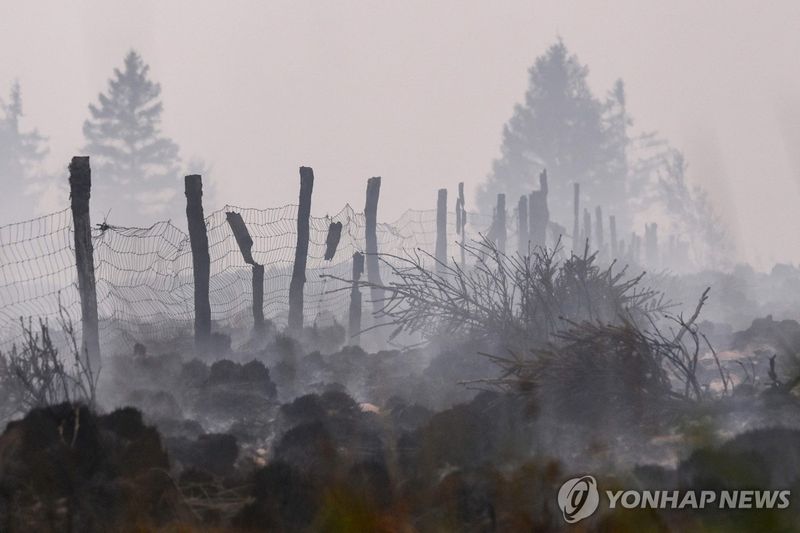
The cause of an individual disaster cannot be attributed solely to climate change. The damage caused by floods, wildfires, and typhoons varies according to the pressure pattern at the time, the movement of rain clouds, terrain, land use, drainage and disaster-prevention facilities, and whether people evacuate. Even when the same amount of rain falls, flash floods and landslides may be more severe in mountain valleys, flooding and isolation in underground spaces may worsen in low-lying urban areas, and storm-surge damage may increase in coastal cities.
However, on a planet with higher greenhouse gas concentrations, the conditions that allow disasters to intensify are changing. Heat accumulated in the atmosphere and oceans can prolong heat waves, while an atmosphere containing more water vapor can unleash more rain in a shorter period. As ice melts, sea levels and mountain river flows change, while in areas where rainfall has stopped, dry soil and vegetation create conditions for wildfires to spread.
World Meteorological Organization Secretary-General Celeste Saulo said, "Our weather has become more extreme in everyday life," adding, "Heat waves, wildfires, droughts, tropical cyclones, storms, and floods in 2025 caused thousands of deaths, affected millions of people, and resulted in economic losses of billions of dollars."
[email protected] Han Seung-gon Reporter