Global Food Price Index Hits Four-Year High, While Beef Prices Fall
- Input
- 2026-09-05 03:49:24
- Updated
- 2026-09-05 03:49:24
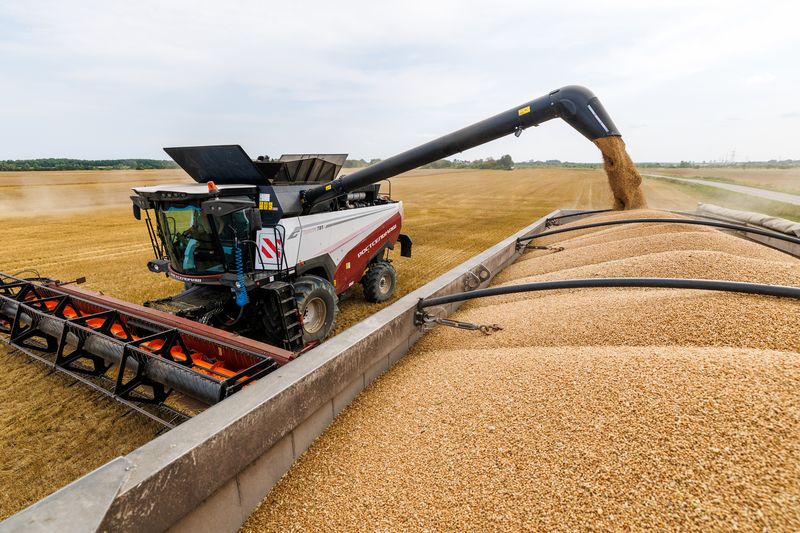
The global food price index has surged to its highest level in nearly four years. The increase was driven by worsening expectations of supply disruptions amid summer heat and other climate-related risks.
The Food and Agriculture Organization of the United Nations (FAO) announced on the fourth (local time) that its global food price index reached 133.3p in August, the highest level since November 2022. The index rose 1.9% from the revised July figure and 2.5% from a year earlier.
Maximo Torero, FAO chief economist, said in a press release, "The rise in global food prices in August is a warning that risk premiums are returning to food markets," adding, "Climate shocks, geopolitical tensions and logistical disruptions are creating expectations of supply disruptions." He continued, "Resilience, open trade and stable flows of production inputs, including fertilizers, seeds and feed, have now become key to global food price stability."
The FAO grain price index rose 2.2% from the previous month. International prices for all major grains increased as concerns over crop conditions and uncertainty surrounding key trade routes persisted amid strong import demand.
Wheat prices jumped 2.6% from the previous month and 15.0% from the same month a year earlier. The war has disrupted production in Ukraine and Russia, both major grain-producing regions, while exports through the Black Sea have also become more difficult. To make matters worse, Europe is expected to see a sharp decline in this year's harvest after a hot and dry summer.
The weakness of the U.S. dollar was also cited as one factor driving up grain prices. Commodity prices, including grains, tend to rise when the dollar weakens. This is because buyers in other countries gain purchasing power and demand increases, while exporters raise prices to preserve the value of their sales.
Global corn prices rose 2.5% from July. Demand for ethanol and feed is increasing, while concerns over declining harvests in the United States and Europe have been compounded by disruptions to supplies of production inputs, including fertilizers, caused by the closure of the Strait of Hormuz.
The international rice price index rose 0.5% from the previous month. Continued demand from Asian and African countries pushed prices up slightly.
The vegetable oil price index rose 1.1% from a month earlier, driven by higher palm and soybean oil prices. Demand increased amid concerns that El Niño would damage production in Southeast Asia. However, rapeseed and sunflower oil prices edged down on expectations of a large expansion in supply next year.
The meat price index also rose 1.0% in August from the previous month as poultry, pork and lamb prices all increased. The main reason for the rise in pork prices was slower pig growth in the European Union due to high summer temperatures.
Beef prices, by contrast, fell. The decline was attributed to competition among companies in exporting countries such as Brazil and Australia for shipments to China.
Dairy prices rose 2.3% from July. The main factor was tighter milk supplies in the European Union due to hot and dry summer weather.
The sugar price index soared 11.9%. Concerns that weather would disrupt sugar beet production in the European Union, while El Niño would affect sugarcane production in Asia and Brazil, contributed to the increase. India's announcement that it would allow duty-free sugar imports also pushed prices higher.
The FAO forecast that global grain production this year would fall 2.0% from the previous year to 2.98 billion tons. Although this would represent a year-on-year decline, it would still be the second-largest production volume on record.
[email protected] Song Kyung-jae Reporter