Jeju’s Workation Living Population Reaches 100,000; Gimnyeong Selected as First Government Rural Hub
- Input
- 2026-09-05 02:05:16
- Updated
- 2026-09-05 02:05:16
【Financial News Jeju = Reporter Yong-bok Jeong】 Jeju, which has secured a workation living population of 100,000, is adding a rural-village experience model to its vacation-based remote-work programs centered on public and private offices. Gimnyeong-ri Experience Village in Gujwa-eup, Jeju City, has become the first site in Jeju selected as a government rural workation hub, creating a channel to distribute weekday visitors and spending to eup and myeon areas.
On the 5th, MAFRA and other authorities said the number of rural workation sites would increase from 10 to 13 starting this month. The three new sites are Dannamumulgok Village in Dangjin, South Chungcheong Province; Eco Wanggok Village in Naju, South Jeolla Province; and Gimnyeong-ri Experience Village in Jeju.
This is the first time Jeju Province has been included among MAFRA’s rural workation sites. Workation is a form of employment that combines work and vacation. Participants stay in a tourist destination for a certain period, work remotely, and enjoy tourism and relaxation after finishing their work.
MAFRA’s rural model adds village experiences and local spending to this concept. It focuses on bringing urban workers to rural areas on weekdays, when demand for stays is relatively lower than on weekends, and increasing the relational population—people who build connections with local communities through repeat visits and spending.
The support is also designed around weekday stays. Participants can receive a discount of up to 50,000 won per person per day on weekdays. If applied for up to five days from September through November, the maximum support per person is 250,000 won. Travel insurance is also covered.
Participants must make reservations and payments through a dedicated platform and submit one of the following: an application form, a certificate of employment, a business registration certificate, or proof of income.
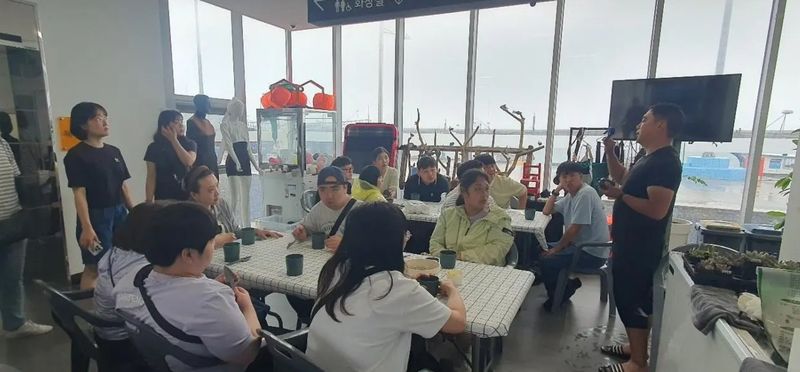
In Gimnyeong, work and relaxation are combined with village experiences. Gimnyeong-ri Experience Village offers activities such as making Oranda and guided tours explaining Gimnyeong Village. Rather than encouraging visitors to consume a short tourist course and leave, the programs are designed to have them stay in the village and encounter its residents and local culture.
Gimnyeong already has infrastructure to accommodate workation demand. Gimnyeong Eoullim Center has an office for 18 people, a video conference room for 25, and six guest rooms. It is also close to Gimnyeong Seongsegihaebyeon Beach, allowing visitors to walk to the coast and village after work.
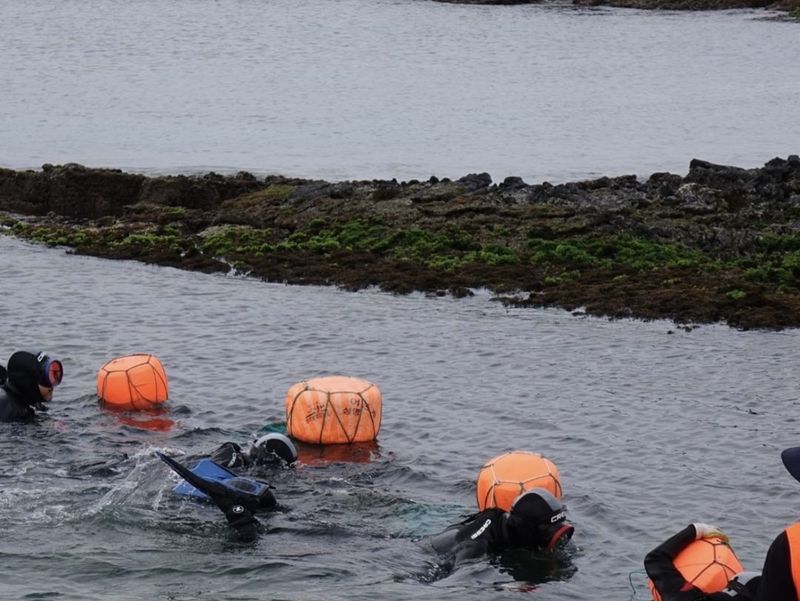
Experiences using local resources, including haenyeo culture, intertidal foraging, fishing, and village interpretation, are also available around Gimnyeong. This creates an opportunity to connect workation users’ spending on lodging, food, and beverages with experiences and village services.
The selection has drawn attention because Jeju has already secured substantial workation demand. According to Jeju Province data, the workation living population in Jeju stood at 100,360 as of December 28, 2025. Participants stayed an average of four nights and five days, while average spending per person was approximately 640,000 won, excluding airfare.
Based on a population of 100,000, spending generated in Jeju amounts to approximately 64 billion won. The Jeju Research Institute estimated the economic effects of 100,000 workation participants at 86.2 billion won in production inducement, 30.6 billion won in added-value inducement, and 927 induced jobs.
Since its pilot project in 2022, Jeju Special Self-Governing Province has connected public workation offices with private operators and developed workation into a policy for attracting businesses and building a living population, rather than treating it as short-term tourism.
This year, 15 private partner companies are operating 17 workation offices. When employees of companies based outside Jeju and individual business owners stay for at least three nights and four days, they can receive support of up to 50,000 won per night, including lodging and workspace fees, with a maximum of 300,000 won per person.
Last year, 917 people from 309 companies participated in Jeju Province’s own voucher program. The MAFRA project starting in Gimnyeong and Jeju Province’s own workation voucher program are separate initiatives. Their eligibility requirements and operating methods also differ.
While Jeju Province’s program focuses on long-term stays by companies and workers from outside the province, attracting businesses, and using workation offices, the rural workation program emphasizes weekday stays in rural areas, village experiences, and expanding the relational population.
For Jeju, the new challenge is how widely it can distribute the workation demand it has already secured to eup and myeon areas.
If workation participants do more than stay in major workspaces in Jeju City and Seogwipo City—if they lodge, dine, and use experience programs in villages such as Gimnyeong—the economic benefits of workation could spread to rural and fishing-village commercial districts. This is why the Gimnyeong model should be assessed not simply by participant numbers, but also by average length of stay, local spending, participation in experiences, and repeat visits.
Jeon Han-young, director general of rural policy at MAFRA, said, "Rural workation sites allow urban residents to experience together the value of the countryside as a workplace, a place to live, and a place to rest." He added, "We will support them so that they become hubs that increase weekday stay demand and, over the long term, expand the relational population connected to rural areas."
[email protected] Yong-bok Jeong Reporter