Nepal Designates September 7 as National Day of Mourning for Major Flood Disaster
- Input
- 2026-09-04 21:15:54
- Updated
- 2026-09-04 21:15:54
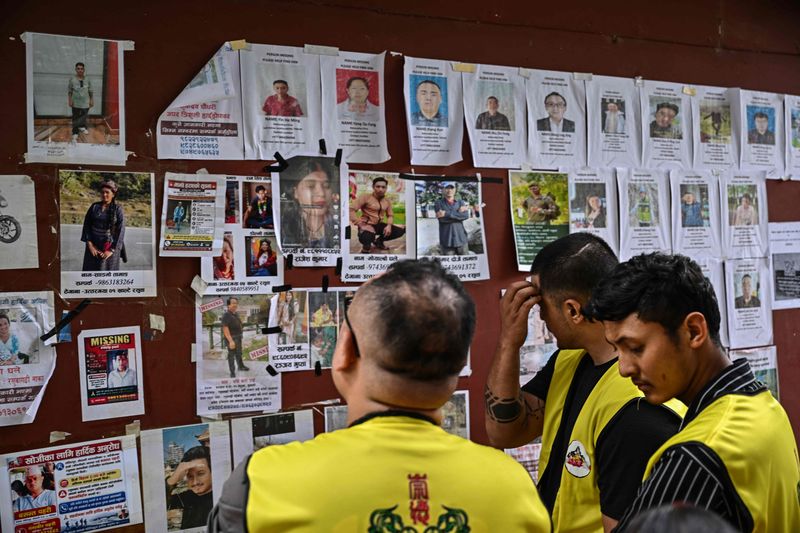
[Financial News] The Nepalese government said it would designate September 7 as a national day of mourning to commemorate victims of the major flood that occurred on August 26.
According to Nepalese media outlets, including Himal Press, on September 3, Nepalese government spokesperson and Education Minister Sasmit Pokharel made the announcement after a Cabinet meeting. He said, "On September 7, government institutions across Nepal, as well as Nepalese embassies and diplomatic missions abroad, will fly their national flags at half-mast." September 7 marks the 13th day since the disaster, and in Hinduism, ceremonies for the deceased are generally concluded on the 13th day after death. The government also decided to designate September 8 as a public holiday for the Day of Remembrance for Generation Z Victims.
At around 8:37 a.m. on August 26, major flooding occurred in Bagmati Province, Nepal, near the border with China. Experts analyzed that glaciers in the Himalayan mountain range melted and collapsed, sweeping through valleys along with mud and debris. The flooding also triggered massive landslides in China, in addition to Nepal.
As of the evening of September 3, the combined number of people dead or missing in Nepal and China stood at 1,280 and 5,624, respectively. At least 550 of them were foreign nationals. In Nepal, 1,259 people had died and 5,083 were missing. In China’s Tibet Autonomous Region, 21 people had died and 541 remained missing. However, in Nepal on September 4, two survivors were rescued from a tunnel at the Trishuli 3A Hydropower Project, nine days after the accident.
During the flooding on August 26, nine South Korean employees dispatched to the Upper Trishuli-1 Hydropower Project (UT-1), including engineers, went missing. The Trishuli 3A Hydropower Project, where survivors were confirmed on September 4, is about 6 kilometers downstream from UT-1.
In an announcement on September 3, the Nepalese government said it would provide support, including tax and customs exemptions, under an integrated corporate reconstruction plan so that individuals, industrial operators and companies affected by the flooding could quickly resume operations. It also agreed to receive a $5 million grant from the Asian Development Bank (ADB) for lifesaving efforts and emergency relief for flood victims.
The Nepalese government also said it would pay hazard allowances and meal expenses to security personnel and public officials deployed in search-and-rescue operations, and provide free medical services to those injured during the rescue efforts. If anyone died during search-and-rescue operations, the government would provide the bereaved family with compensation of 1 million Nepalese rupees. Pokharel said the government would fully protect and take responsibility for children who lost their parents in the flooding.
[email protected] Park Jong-won Reporter