Iran Finds It Hard to Withstand Stricter U.S. Economic Sanctions... Different from Before
- Input
- 2026-09-04 20:29:38
- Updated
- 2026-09-04 20:29:38
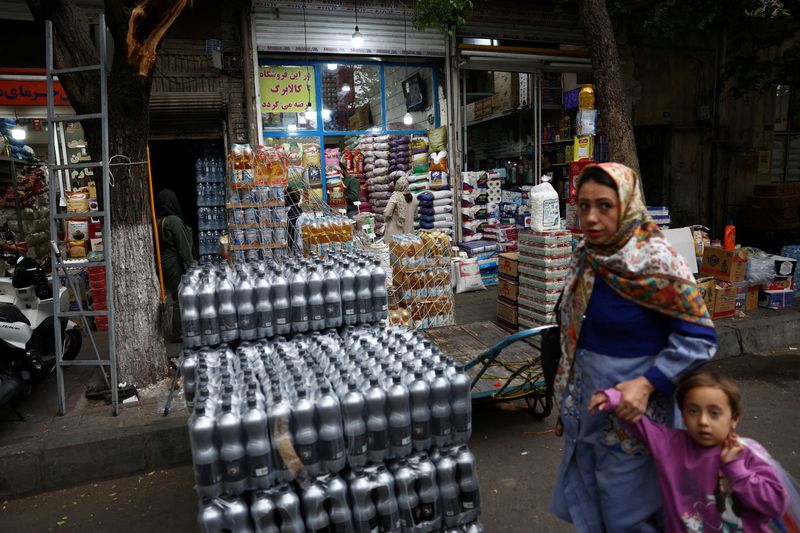
[Financial News] Claims have emerged that Iran, which has faced additional economic sanctions since the 24th of last month (local time) following the U.S. oil trade blockade, is at a level where it is economically difficult to endure.
Iran International, an anti-Iran media outlet based in the UK, reported this on the 3rd, citing three senior Iranian officials. The officials explained that while Iran has already endured U.S. economic sanctions for decades, the sanctions implemented by the U.S. last month have left it with few avenues left to secure foreign currency and imports. In particular, the officials assessed that the national economy is facing an urgent and real crisis as the U.S. attempts to block Iran's access to international financial networks.
Last month, the value of Iran's local currency, the Iranian rial, was recorded at 2.2 million rials per dollar. This means its value has dropped by more than half compared to a year ago (1 million rials per dollar).
The 12-month average inflation rate has reached 69.9%, while the price increase of daily necessities such as food, beverages, and tobacco is nearly double that figure. The average monthly wage for workers is around $125 (approximately 170,000 won), falling short of even one-third of the government-calculated basic household cost of living ($450 per month). With the job market frozen as well, the official unemployment rate jumped to 9.1% this spring, and the number of employed people plummeted by about 450,000 compared to the same period last year.
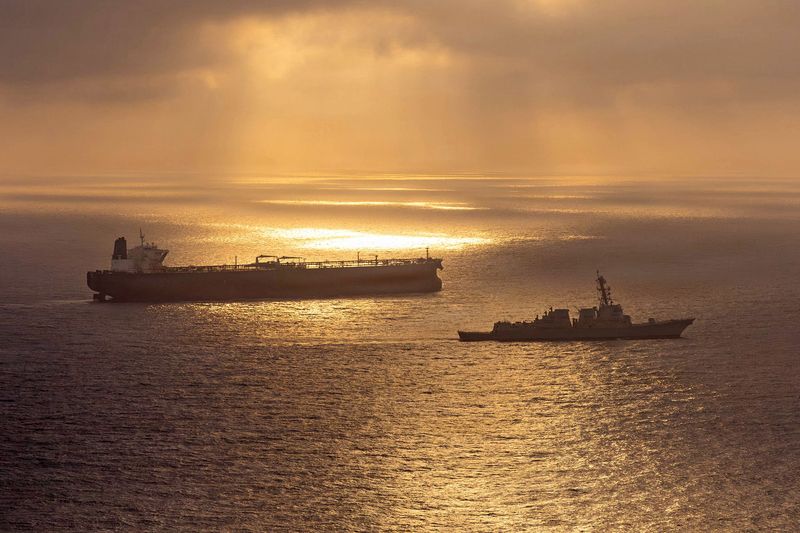
U.S. Treasury Secretary Scott Bessent announced on the 24th of last month that a second round of sanctions would be implemented to expel third-country companies and banks doing business with Iran from the U.S. financial network. He warned that the U.S. would closely monitor third-country companies and financial institutions that have traded with Iran in the sectors of digital assets, technology, gold, aviation, and shipping. Furthermore, the U.S., which had temporarily allowed Iranian oil exports following the signing of a peace agreement last June, has been turning back or attacking all Iranian-related vessels entering and leaving the Strait of Hormuz and Iranian ports since July, coinciding with the resumption of hostilities.
Iran, which has operated its economy by selling oil to third countries such as China and Russia, is facing a crisis as the financial networks used for settling oil sales and purchasing essential goods have been blocked. While the Iranian leadership previously circumvented sanctions through shell companies, unregistered oil tankers, and smuggling, it has become difficult to avoid them as fees required for such illegal circumvention have recently skyrocketed.
According to the U.S. marine information firm Kpler, Iran's crude oil shipments this month averaged 260,000 barrels per day, a sharp drop to about 15% of the daily average of 1.7 million barrels a year ago. Only minute quantities are being exported via trucks, trains, and small vessels in the Caspian Sea. Furthermore, even the United Arab Emirates (UAE), a key trade hub, completely suspended commercial and financial transactions with Iran last month.
According to the U.S. economic media outlet CNBC, Iranian President Masoud Pezeshkian stated in an interview with state television on the 28th of last month that "(Iran's) exports and imports have decreased by between 25% and 35%," adding that "imports have decreased further." He said, "Some people say that (U.S.) sanctions have no effect at all, and I don't know what to say to these people."
In this regard, Professor Ali M. Ansari of the University of St Andrews in the UK argued, "Iran is losing control of the Strait of Hormuz amidst severe economic pressure." At the same time, he predicted, "Eventually, they will have no choice but to opt for negotiations."
[email protected] Park Jong-won Reporter