Police Workplace Council Opposes Public Prosecution Office Plan: “Investigative Direction and Control Repackaged Under Different Names”
- Input
- 2026-09-04 17:36:51
- Updated
- 2026-09-04 17:36:51
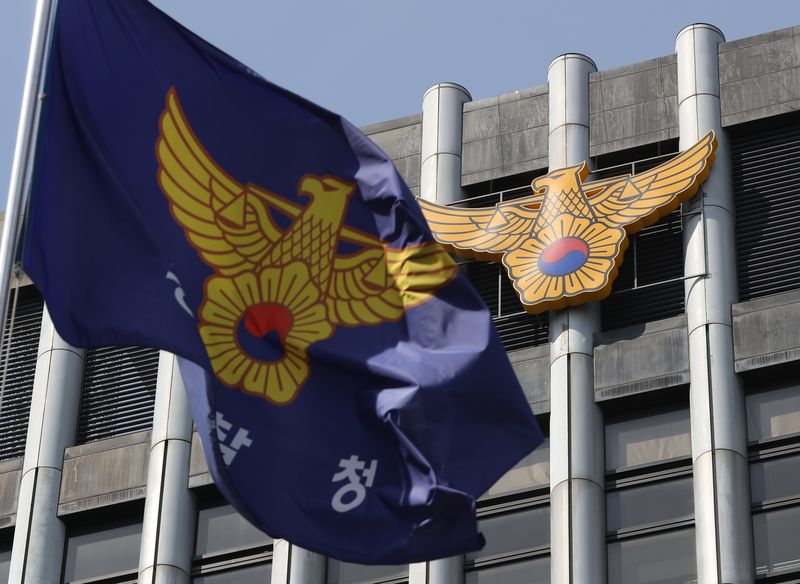
[Financial News] The National Council of Police Workplace Associations has opposed the Ministry of Justice’s proposed organizational structure for the Public Prosecution Office, arguing that it would abolish prosecutors’ direct investigative powers while strengthening control over police investigations. In particular, it called for a review of the authority and scope of the Judicial Control Division to be established within regional Public Prosecution Offices.
The National Council of Police Workplace Associations issued a statement on the 4th, expressing concern that “while prosecutors’ direct investigative powers would be abolished, a separate organization would be established with the authority to go beyond reviewing decisions not to refer cases for prosecution and demanding reinvestigations, even seeking investigators’ removal from duty and disciplinary action.”
The council emphasized that separating investigations from prosecution should not end with an organizational overhaul that merely removes prosecutors’ direct investigative powers. It argued that the purpose of criminal justice reform is to clearly divide the roles and responsibilities of investigative and prosecutorial agencies.
“If the proposed organizational structure is implemented, the police will conduct investigations while the Public Prosecution Office continuously reviews the process and results of those investigations. If it determines that there is a problem, it could demand a reinvestigation and even seek disciplinary action against investigators,” the council pointed out.
It added, “If a more elaborate system for controlling police investigations is built where prosecutors’ direct investigations have been abolished, it will be difficult to avoid criticism that the prosecutors’ direction and control over investigations have merely been reconstructed under different names and through different organizations, rather than achieving a separation of investigations and prosecution.”
The council particularly took issue with the authority of the Judicial Control Division to be established within regional Public Prosecution Offices. It expressed concern that if the division is allowed not only to verify facts in cases not referred for prosecution and demand reinvestigations, but also to check whether demands for supplementary investigations and corrective measures have been carried out and to seek investigators’ removal from duty or disciplinary action, it could affect investigations conducted by officers in the field.
“Field investigators will have no choice but to conduct defensive investigations, focusing first on ‘how the Public Prosecution Office will judge the case later’ rather than on the substantive truth of the case,” the council said. It added, “Control over police investigations is necessary, but control and direction are different.”
The council also called for additional personnel and budget resources commensurate with the police’s expanded investigative responsibilities. Claiming that the Public Prosecution Office would maintain an organization of 8,412 people even after its direct investigative powers were abolished, the council said, “It must also be presented how much investigative personnel, budget, specialized training and legal support will be expanded for the police, which will actually be responsible for most investigations.”
It called for △clear limits on the authority and scope of the Public Prosecution Office’s Judicial Control Division; △strict requirements for demanding reinvestigations in cases not referred for prosecution and seeking removal from duty or disciplinary action; △a clear definition of prosecutors’ roles in joint investigations as cooperation for legal support and maintaining prosecutions; and △measures to provide personnel, budget, training and legal support commensurate with the police’s expanded investigative responsibilities.
The council stressed, “We cannot accept a reform that sends cases to the police, leaves control in the hands of the Public Prosecution Office, and places responsibility only on investigators in the field.” It added, “Investigative agencies must take responsibility for investigations, and prosecutorial agencies must take responsibility for prosecutions.”
[email protected] Ye-ji Kim Reporter