'Death Penalty Sought,' Kim So-young Receives Life Sentence; Both Sides Appeal, Putting Death-Penalty Standards Back on Trial
- Input
- 2026-09-06 15:00:00
- Updated
- 2026-09-06 15:00:00
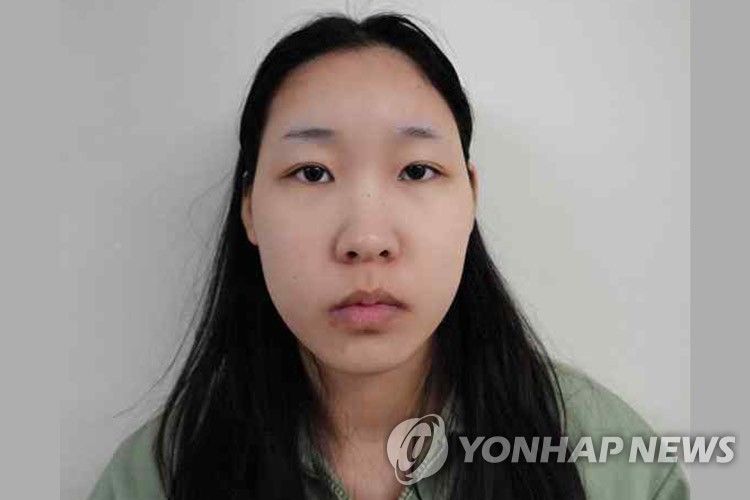
According to legal sources on the 6th, prosecutors and Kim’s legal team each filed appeals against the first-instance ruling by the 14th Criminal Division of the Seoul Northern District Court, presided over by Judge Oh Byung-hee. On the 27th of last month, the court sentenced Kim to life imprisonment for charges including murder, aggravated injury, and violations of the Narcotics Control Act. It also ordered her to wear an electronic location-tracking device for 30 years. At the previous sentencing hearing, prosecutors had sought the death penalty.
Kim is accused of giving three men in their 20s beverages laced with psychotropic drugs between December last year and February this year, killing two of them and leaving the third critically ill. She is also accused of injuring three men in their 20s and 30s in the same manner between October last year and January.
A notable aspect of the first-instance ruling is that the court recognized Kim’s intent to kill but did not impose the death penalty. This is understood to reflect the fact that the decision to impose capital punishment is not based solely on the outcome of the crime or the scale of the harm. In this case, prosecutors and the court also differed in their focus when assessing whether Kim’s responsibility was serious enough to warrant the death penalty. Prosecutors emphasized the repeated and dangerous nature of administering drugs to multiple victims, resulting in deaths and injuries. The court, however, considered the degree of intent, the circumstances of the crimes, the defendant’s level of responsibility, circumstances before and after the offenses, and consistency with similar cases before determining whether a punishment that deprives a person of life was necessary.
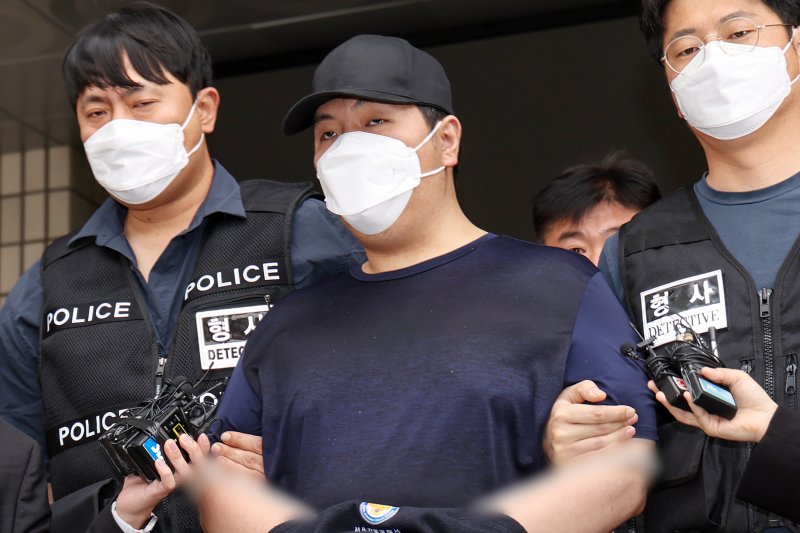
The same tendency can be seen in other similar rulings. In the Mia-dong mart murder case, in which an unarmed woman in her 60s was killed with a weapon, prosecutors sought the death penalty for Kim Seong-jin (34). The first-instance court acknowledged the need to isolate him from society for an extended period but sentenced him to life imprisonment instead. Prosecutors appealed, arguing that the sentence was inappropriate, but the appellate court also upheld the lower court’s decision.
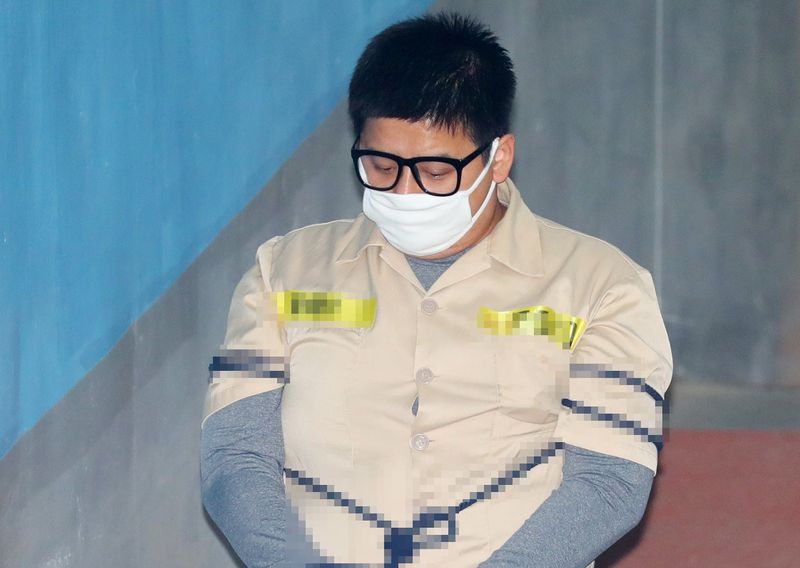
Death sentences themselves have also become difficult to find in recent years. The most recent case in which a death sentence was ultimately finalized involved a sergeant surnamed Lim, who opened fire at the 22nd Division’s general outpost (GOP) in Goseong County, Gangwon Province, on June 21, 2014, killing five people. On February 19, 2016, the Supreme Court of Korea’s en banc panel finalized the death sentence against the sergeant. Although lower courts have imposed death sentences since then, none has resulted in a final death sentence because the punishment was reduced by higher courts. Lee Young-hak (44), known as the “Molar Daddy,” and Ahn In-deuk (49), who committed an apartment arson-and-murder case in Jinju, South Gyeongsang Province, were also sentenced to death at trial. Their sentences were reduced to life imprisonment on appeal, and the Supreme Court of Korea finalized the life sentences in 2018 and 2020, respectively. Thus, while the death penalty remains a statutory punishment, it is extremely rare for a death sentence to remain the final punishment in an actual trial.
Experts say the difficulty of reaching a conclusion on the death penalty stems in part from South Korea’s distinctive criminal-justice reality. Under current law, capital punishment remains a statutory sentence, but executions have been suspended since December 30, 1997, when 23 death-row inmates were executed. With no executions carried out for more than 28 years, South Korea has maintained a dual status for an extended period: retaining the death penalty as the maximum punishment under law while not actually enforcing it. Amnesty International has also classified South Korea as “abolitionist in practice” since 2007. As the gap widens between the death penalty’s legal existence and its functioning as an actual punishment, debate continues over its legal status and whether it should be retained.
However, some experts note that life imprisonment without parole could excessively restrict an inmate’s rehabilitation and possibility of returning to society, and they say separate social and legal discussions are necessary. Regardless of whether the death penalty is abolished or retained, they argue that the standards for determining the punishment for the most serious crimes must themselves be reconsidered.
Experts say it is necessary to consider both the need for strict punishment of heinous criminals and the limitations of the death penalty. A criminal-law attorney said, “Public anger over heinous crimes and whether to impose the death penalty need to be considered separately. The death penalty is not a punishment that can be imposed simply because it is the maximum sentence under the law. Courts must comprehensively examine the degree of responsibility and the circumstances of the crime and determine whether there are circumstances showing that depriving the offender of life is unavoidable.” The attorney added, “Given the reality that the death penalty is not actually carried out, it is also difficult to avoid discussing whether the gap in punishment between the death penalty and life imprisonment is appropriate.”
[email protected] Seo Ji-yoon Reporter