Cheong Wa Dae: “Reports of Additional Real-Estate Tax Easing by the Ruling Party Were Distorted—They Were Proposals Made Before the Cabinet Meeting”
- Input
- 2026-09-04 14:14:46
- Updated
- 2026-09-04 14:14:46
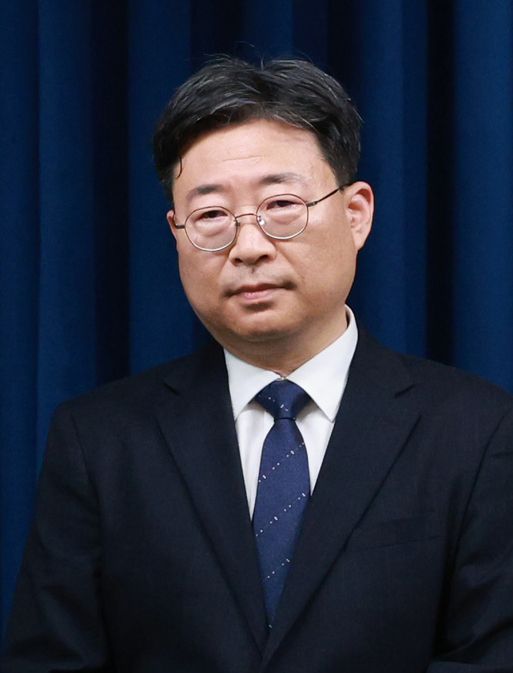
[Financial News] Joon-Kyung Ha, senior presidential secretary for economic growth at Cheong Wa Dae, said on the 4th, regarding the possibility of additional real-estate tax easing, “I think the proposals previously made by the ruling party may have been distorted.”
Appearing that morning on Seoul Broadcasting System (SBS)'s “Kim Tae-hyun's Political Show,” Ha gave that answer when asked, “Reports say the government may ease real-estate taxes further. Is this actually under review?”
Ha emphasized, “During the period for soliciting legislative opinions, there must naturally have been consultations with the ruling party and discussions of that kind. So there may have been various proposals brought forward by the party at the time. However, the version we announced at the Cabinet meeting after making minor revisions fully reflected the consultations with the ruling party.”
However, he left open the possibility of further discussions in the National Assembly. Asked whether people could understand that there would be no additional easing, Ha explained, “Ultimately, laws are decided by the National Assembly, so I cannot say that definitively. But at least you can understand that this is the extent of the discussions between the ruling party and the government.” While ruling out additional easing under government review, he left room for the tax proposal to be adjusted during future parliamentary discussions.
Regarding criticism from the Rebuilding Korea Party (RKP) that easing the comprehensive real-estate tax rules for a single home not occupied by its owner, compared with the original proposal, amounted to “protecting the interests of the top 1%,” Ha said, “You should understand that we reflected public opinion without undermining the basic purpose of the policy. I do not think it should be viewed as having undermined the fundamental purpose itself.”
He added, “Regarding the issue of a single home not occupied by its owner, the comprehensive real-estate tax burden is being eased, but there is still a certain difference between owner-occupied and non-owner-occupied homes. In other words, the policy of giving greater preference to owner-occupied homes will continue. Various safeguards are also in place to ensure that the underlying principles are upheld in other respects.”
Regarding the possibility of housing development at Yongsan Park, Ha said, “There is a piece of land right in the center of Seoul that is larger than Yeouido. We should consider how to use it in a way that benefits future generations. The vacant houses left behind by U.S. troops are currently deteriorating. We need to discuss whether it is better to simply pass these vacant houses on to our descendants or create public housing spaces that young people can use.”
Regarding references in the United States to “targeted tariffs on semiconductors,” Ha emphasized, “There is a balance of interests that we agreed upon previously. Within a range that does not upset that balance, we are discussing various practical matters carefully. I do not think this should be viewed as some new, major bombshell.”
He continued, “From the United States’ perspective, it is natural in a way to want semiconductors to be made in the United States. This is not something that began yesterday or today. Since semiconductor prices have probably risen recently, that voice may have become somewhat more pronounced from the United States’ perspective,” he analyzed.
[email protected] Jong-geun Choi Reporter