Incheon Airport Is the Only One Missing From the Global Top 10... A ‘Premium Terminal’ Targeting VIPs
- Input
- 2026-09-06 10:30:00
- Updated
- 2026-09-06 10:30:00
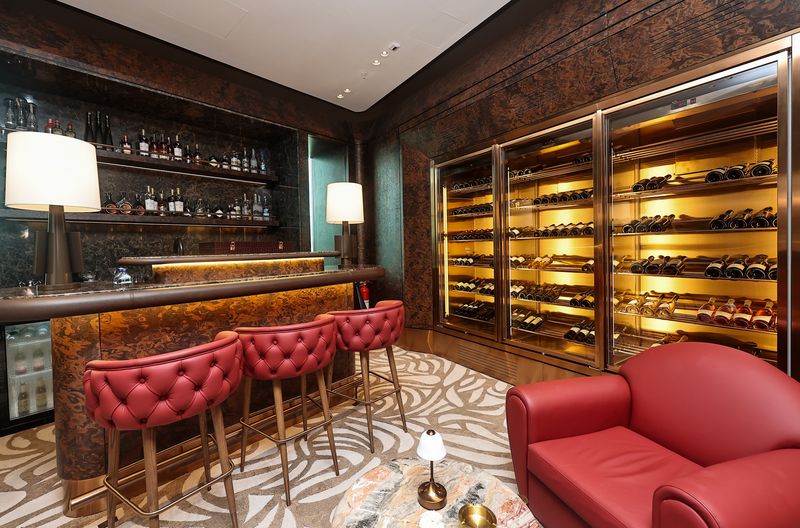
Immediately after stepping off the private jet, passengers boarded a luxury chauffeured vehicle waiting on the apron before the heat from the engines had even dissipated. The crowds in the main terminal were never within sight. After a drive of just over two minutes in the private vehicle, they arrived at a strictly controlled independent area. There was not even a waiting line at the dedicated customs and immigration counters. From passport checks by a designated officer to one-on-one baggage clearance and departure from the airport, the entire process took only five minutes. This is the routine scene at Istanbul Airport’s business aviation FBO, visited on the 3rd (local time).
This kind of “ultra-fast processing” is precisely the system Incheon International Airport needs most. The airport has repeatedly attempted to introduce paid fast-track services for business- and first-class passengers and high-tier frequent flyers, but each effort was derailed by concerns that it would create a sense of social disparity.
The situation would be different if Incheon International Airport built an independent FBO targeting global political and business VIPs as well as executives of multinational corporations, as Istanbul Airport has done. A one-stop service in a dedicated space completely separated from the passenger terminal could avoid the existing controversy over fairness while providing the target customers with what is effectively a perfect fast-track experience.
The core competitive strengths of Istanbul Airport’s FBO, observed on site, were the combination of “ironclad security” and “speed.” In addition to customized luxury lounges and high-tech video-conferencing rooms, the facility offered a complete one-stop ecosystem. Dedicated hangars and aprons, 24-hour customized maintenance, repair, and overhaul (MRO), refueling, in-flight catering, and other ground-handling services were all provided in one place.
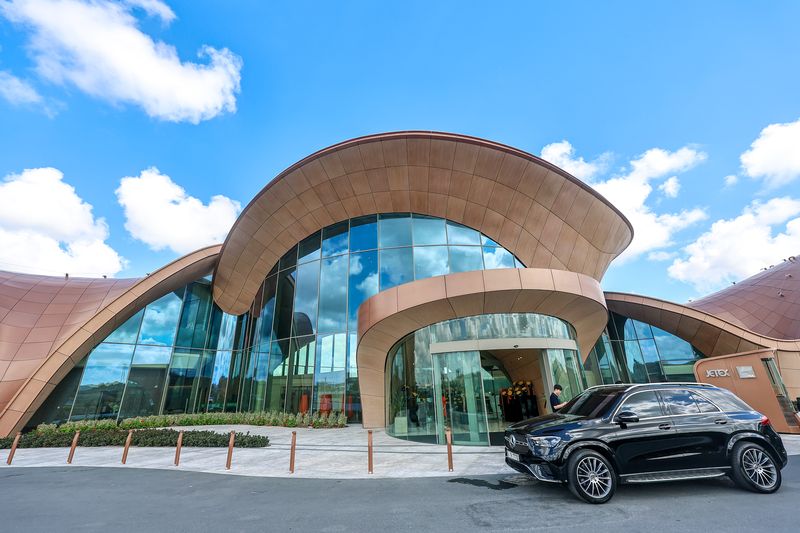
In particular, Incheon International Airport is the only one among the world’s top 10 airports for international passengers without dedicated private-jet terminal, or FBO, infrastructure. Accordingly, after completing its fourth-phase expansion project this year, Incheon International Airport plans to begin upgrading its dedicated FBO and business aviation infrastructure in earnest, in line with its status as a global mega-hub. The plan is to secure premium business aviation demand by linking the effort with the Meetings, Incentives, Conventions, and Exhibitions (MICE) industry in the Asia-Pacific region and efforts to attract global corporate headquarters.
An aviation industry official said, “With the introduction of fast-track services inside the main terminal facing practical difficulties, building an independent, high-end FBO is the most certain alternative for dramatically reducing the time spent by global business leaders. Istanbul Airport’s one-stop FBO operating model will serve as an important benchmark as Incheon International Airport evolves beyond simply processing passengers into a premium, integrated hub that generates high added value.”
[email protected] Kim Dong-ho Reporter