CIO Indicts Chief Judge Ji Gui-yeon Over Alleged 4.09 Million-Won Room Salon Hospitality
- Input
- 2026-09-04 10:31:42
- Updated
- 2026-09-04 10:31:42
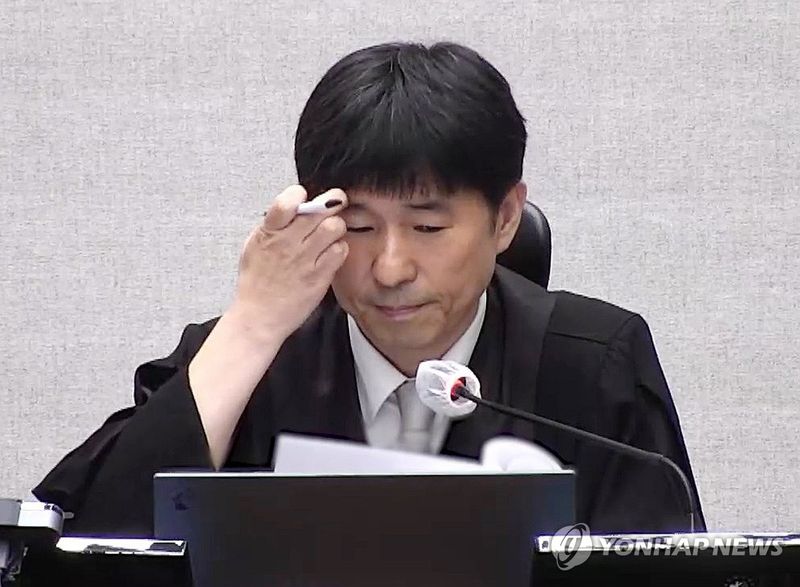
[Financial News] The Corruption Investigation Office for High-ranking Officials (CIO) indicted Ji Gui-yeon, chief judge of the Seoul Northern District Court, for allegedly receiving hospitality at a room salon. The CIO recognized a connection between the hospitality and his official duties but decided not to prosecute him on bribery charges, concluding that it would be difficult to prove a specific quid pro quo, such as providing favorable treatment in a trial.
The CIO’s Third Investigation Division, headed by Chief Prosecutor Lee Dae-hwan, announced on the 4th that it had indicted Ji without detention for violating the Improper Solicitation and Graft Act. The CIO also notified the Seoul Northern District Court, where Ji serves, of the investigative findings and requested disciplinary action.
Ji is accused of receiving hospitality worth 4.09 million won in August 2023, after lawyers identified as A and B paid for drinks at a room salon in Cheongdam-dong, Gangnam-gu, Seoul. The amount exceeded the 1 million-won limit for a single instance.
The Improper Solicitation and Graft Act prohibits public officials and others from receiving, requesting, or promising money or other valuables worth more than 1 million won from the same person on a single occasion or more than 3 million won in a fiscal year, regardless of whether the benefit is related to their duties or is provided under the pretext of a donation, sponsorship, or gift.
The investigation began in May last year after civic groups and others filed complaints against Ji on suspicion of bribery and violating the Improper Solicitation and Graft Act. In July of the same year, the CIO obtained materials from aides at a lawmaker’s office and others who had raised the allegations. In August, it secured and executed communications warrants involving Ji and others.
However, the investigation did not proceed smoothly. A warrant for the bar owner’s financial accounts was rejected, as were additional communications warrants and search-and-seizure warrants for mobile phones and other items. The CIO therefore persuaded witnesses, including the owner, to voluntarily submit financial transaction records, dates and numbers of visits, and payment records.
The CIO proceeded with the investigation based on photographs believed to have been taken at the establishment by Ji and his companions, identifying two occasions when the same individuals gathered at the same location. Lawyer A was found to have made six payments at the establishment in total. By analyzing Ji’s taxi records and other information, investigators confirmed two occasions on which the movements matched.
The CIO secured statements from the informant, related individuals, and those who provided the hospitality in September and October last year. From November of the same year through March this year, it also executed warrants for taxi-hailing records and credit card usage records. From April through June, the CIO questioned Ji and the lawyers who provided the hospitality. Ji reportedly denied all allegations during questioning and stated, in effect, that he did not remember the relevant events.
The CIO focused on whether the hospitality providers were lawyers connected to Ji through his official duties and whether there had been any solicitation or quid pro quo, such as providing favorable treatment in a trial. However, investigators found no cases handled by the lawyers in the panel to which Ji belonged, and they were unable to secure evidence proving a specific quid pro quo.
The CIO concluded that it would be difficult to determine that a quid pro quo existed between the hospitality and the judge’s official duties based solely on the lawyers’ vague and abstract expectations. It therefore decided not to prosecute Ji on the bribery charges initially applied to him.
The CIO also examined possible connections to earlier trials. According to the agency, while Ji was serving on the civil panel of the Suwon District Court in 2013, a case handled by Lawyer A was lost at trial but later won on appeal. However, the CIO concluded that the roughly 10-year gap between that trial and the hospitality, along with the amount in controversy and other circumstances, was insufficient to establish that the hospitality had been provided as compensation for Ji’s past official duties.
Another gathering identified by the CIO was also excluded from the scope of prosecution. Investigators found that five people, including Ji, had gathered around September 2024 and paid approximately 4.16 million won. However, the CIO decided that it would be difficult to recognize a violation of the Improper Solicitation and Graft Act in this instance and declined to prosecute.
After holding a review committee in July, the CIO examined the investigative findings and relevant legal principles before making the final decision to indict Ji for violating the Improper Solicitation and Graft Act.
A CIO official emphasized, "We will continue to investigate corruption cases involving high-ranking public officials rigorously and contribute to establishing discipline in public service. We will also make every effort to ensure the successful maintenance of the prosecution in the future."
[email protected] Yoo Seon-jun Reporter