Yong Hye-in, Who Called It “Parasite Politics,” Now Faces Scrutiny Over More Than 2.9 Billion Won in Subsidies Tied to One Parliamentary Seat
- Input
- 2026-09-04 08:31:56
- Updated
- 2026-09-04 08:31:56
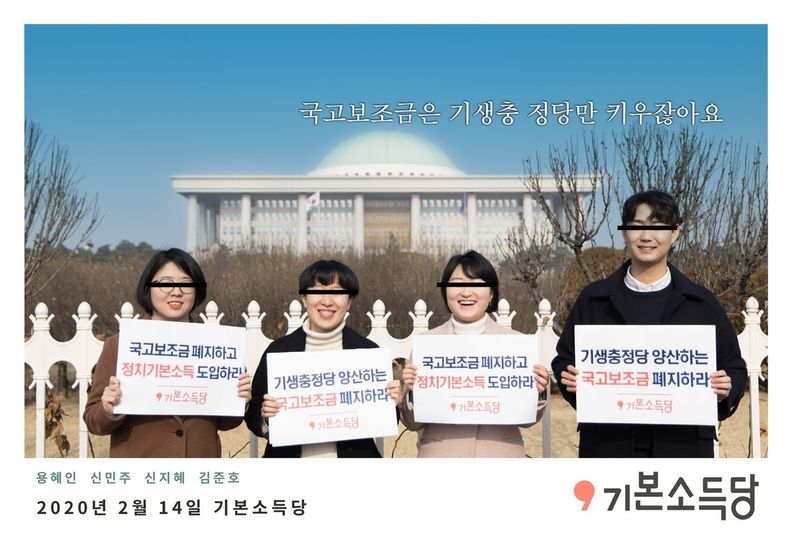
[Financial News] Yong Hye-in, a nominee for Minister of Gender Equality and Family, has said she will retain her proportional-representation seat even if she is appointed minister. As a result, the state subsidies that the Basic Income Party could receive have become a focus of controversy. If Yong retains her seat, the party is estimated to receive more than 2.9 billion won in regular subsidies over the remainder of her term and election subsidies for the next general election. The controversy has intensified after it emerged that six years ago, Yong compared parties receiving state subsidies to parasites and called for the system to be abolished.
According to political sources on the 4th, the Basic Income Party held a press conference in February 2020 titled “Abolish State Subsidies That Produce Parasite Parties and Introduce a Basic Political Income.” A parody of the poster for the film “Parasite” showed Yong standing with other participants while holding a sign that read, “Abolish state subsidies and introduce a basic political income.”
At the time, the Basic Income Party criticized the system, saying, “Parasite politics aimed at state subsidies is being repeated,” and, “Especially before elections, many political forces calculate the state subsidies and then form and break alliances accordingly.” Instead of eliminating state subsidies, the party proposed paying every citizen an annual basic political income of 100,000 won so that individuals could directly support the party they favor.
Six Years Ago, She Called for Abolishing Subsidies; Now She Is Retaining Her Seat
These claims contrast with the explanation Yong gave six years later for her decision to retain her seat.
The day after being nominated as Minister of Gender Equality and Family, on the 31st of last month, Yong said, “If I, the only Member of the National Assembly from the party, resign, the Basic Income Party would face the difficulty of becoming an extra-parliamentary party.” She added that she would retain her seat.
Under the Political Funds Act, the number of seats held in the National Assembly is an important factor in determining the state subsidies paid to political parties. Yong is the only incumbent lawmaker affiliated with the Basic Income Party. If she resigns, the party will become an extra-parliamentary party.
The People Power Party claims that the issue of state subsidies lies behind Yong’s decision to retain her seat.
Based on data submitted by the National Assembly Secretariat and the National Election Commission (NEC), People Power Party lawmaker Kim Sohee estimated that the Basic Income Party could receive approximately 1.94 billion won in regular subsidies over the remaining 21 months of Yong’s term if she retains her seat. Adding the more than 1 billion won in election subsidies it is expected to receive in the 2028 general election, the party subsidies alone would exceed 2.9 billion won.
The total would be even higher if the budget for operating Yong’s parliamentary office were included. Kim’s office estimated that the taxes spent if Yong retains her seat would total approximately 4.3 billion won, including about 1.1 billion won in salaries for parliamentary aides and office operating expenses over the remainder of her term.
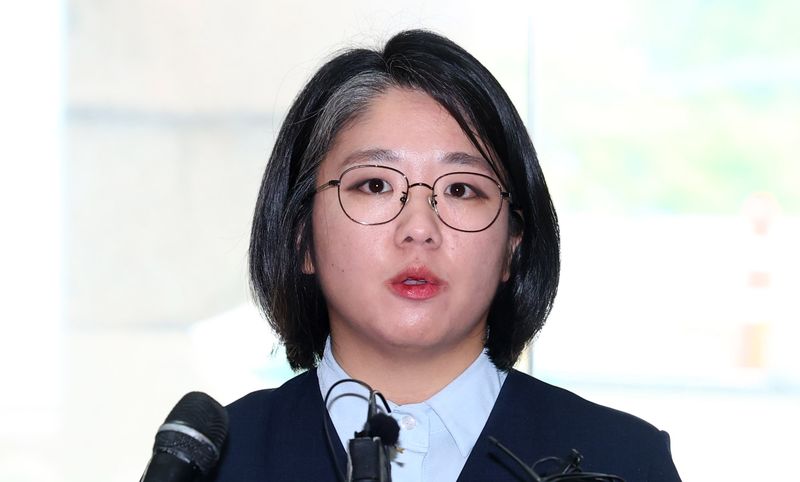
One Parliamentary Seat Tied to 2.9 Billion Won in Subsidies
The issue is whether Yong’s past claims can coexist with her current decision.
At its 2020 press conference, the Basic Income Party strongly criticized the existing state subsidy system, saying, “Subsidies are paid as usual whether parties work or not.” It particularly argued, “Instead of parasite politics in which political forces form and break alliances according to subsidies, let us distribute state subsidies to the people.”
Six years later, however, the Basic Income Party’s status as a parliamentary party and its receipt of state subsidies are now significantly affected by whether Yong retains her seat. Moreover, Yong entered the National Assembly in both the 21st and 22nd general elections through proportional-representation satellite parties affiliated with the Democratic Party of Korea, rather than through the Basic Income Party’s own proportional-representation list.
The People Power Party has criticized this as hypocrisy. Cho Ji-yeon, a People Power Party lawmaker on the National Assembly of the Republic of Korea’s Gender Equality and Family Committee, said, “Calling for justice and reform in public while enjoying the benefits of a system they themselves criticized is a typical example of hypocrisy and the height of political hypocrisy.”
Accordingly, upcoming confirmation hearings are expected to focus on whether Yong still maintains the position she expressed in 2020 calling for the abolition of state subsidies, as well as the extent to which the Basic Income Party’s state subsidy issue was considered in her decision to retain her seat.
[email protected] Kim Kyung-min Reporter