MCST’s 2027 Budget Proposal Reaches KRW 9.6345 Trillion; Youth Culture Pass to Expand Nearly 22-Fold
- Input
- 2026-09-04 08:00:00
- Updated
- 2026-09-04 08:00:00
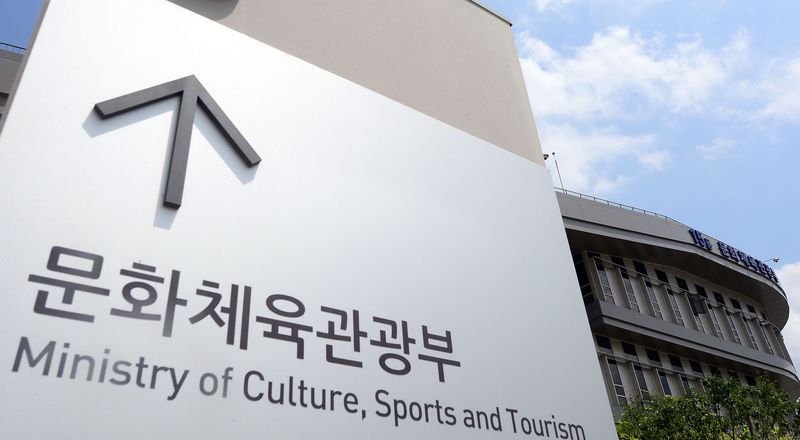
By sector, cultural arts saw the largest increase, rising 44.6% to KRW 3.8545 trillion. Tourism increased 18.8% to KRW 1.7581 trillion, content rose 9.5% to KRW 1.7719 trillion, and sports grew 7.9% to KRW 1.8333 trillion.
The Youth Culture Pass will expand its eligible age range from 19–20 to 19–34, while sports activities will be added to the list of eligible uses. The government subsidy per person will be KRW 100,000 in the Seoul metropolitan area and KRW 150,000 outside the metropolitan area. The budget will increase by KRW 756.4 billion, from KRW 36.1 billion to KRW 792.5 billion. This accounts for 42.5% of the MCST’s total budget increase.
Next year’s budget proposal was prepared on the assumption that 70% of eligible young people will receive the benefit. An MCST official said at a briefing the previous day, "Anyone aged 19–34 will be able to apply." The program will be operated so that applicants are not excluded because funding runs out on a first-come, first-served basis. If necessary, the ministry plans to hold additional consultations with the fiscal authorities.
Basic livelihood security support for artists will expand from KRW 1.5 billion to KRW 31.1 billion. Support for industrial accident insurance premiums and National Pension premiums will increase, while new assistance will be provided for health examination costs. Loans for jeonse deposits under the Artists’ Livelihood Stabilization Fund will also rise from KRW 14 billion to KRW 40 billion.
Support for basic arts creation and regional distribution will also be strengthened. KRW 21.5 billion will be newly allocated to the Regional Arts Promotion Program, while support for the distribution of performances and exhibitions will increase from KRW 98 billion to KRW 112.8 billion. Support for overseas publishers translating and publishing Korean literature will expand from 260 titles to 320 titles.
■KRW 2.2 trillion in content finance; regional tourism and sports facilities expandedApproximately KRW 2.2 trillion in policy finance will be supplied to the content sector. Contributions to the K-Content Fund will increase from KRW 430 billion to KRW 603 billion, while contributions to the Global League Fund, which attracts overseas capital, will rise from KRW 60 billion to KRW 200 billion.
Research and development (R&D) funding rose 17.1% from this year to a record KRW 177.4 billion. KRW 25 billion has been newly allocated to develop technologies that allow people to enjoy concerts and sporting events remotely as if they were attending in person.
To promote regional tourism, five tourism zones will be established around Gimhae International Airport, Daegu International Airport, Cheongju International Airport, Muan International Airport, and Yangyang International Airport. A total of KRW 93.5 billion—including KRW 65.9 billion in national funds and KRW 27.6 billion in local funds—will be invested to improve transportation and payment convenience and develop tourism content.
The national subsidy rate for regional love vacation support will increase from 30% to 50%, while the number of beneficiaries will double from 200,000 to 400,000. The number of workers eligible for vacation support will increase from 100,000 to 210,000.
Support for renovating aging public sports facilities will more than double, from KRW 95.3 billion to KRW 255.8 billion. Support for sports activities for children and adolescents will also increase from KRW 5.5 billion to KRW 42.4 billion, and funding will be provided for 800 community sports programs for children and adolescents with disabilities.
[email protected] Insuh Jang Reporter