AI Corrects Colors and Automatically Switches to Macro Mode: Testing the 200-Megapixel Galaxy Z Fold8 Ultra
- Input
- 2026-09-04 08:00:00
- Updated
- 2026-09-04 08:00:00
On the 3rd, Samsung Electronics held a Galaxy Z Fold8 Ultra camera field-testing event at the Changdeokgung Palace Complex in Seoul, introducing key camera features including macro and portrait photography and generative AI editing.
The Galaxy Z Fold8 Ultra’s rear camera system consists of a 200-megapixel wide-angle camera, a 50-megapixel ultrawide camera, and a 10-megapixel 3x telephoto camera. The phone has three rear cameras, each covering a different distance and field of view. Users do not need to decide which camera to use in each shooting environment; the appropriate camera activates automatically based on factors such as the distance to the subject.
Light entering through the camera is processed into an image by Samsung Electronics’ ProVisual Engine. The ProVisual Engine uses the lens, image sensor, application processor (AP), and AI-based image signal processor (ISP) to adjust focus, exposure, color, noise, and detail. For example, in places with mixed lighting, an object that is white to the eye may be detected by the camera sensor as yellow or red. The Galaxy Z Fold8 Ultra’s AI ISP analyzes the surrounding light and subject, then corrects the colors to make them closer to reality. AI ISP is also applied to the front camera to enhance skin tones and color reproduction.
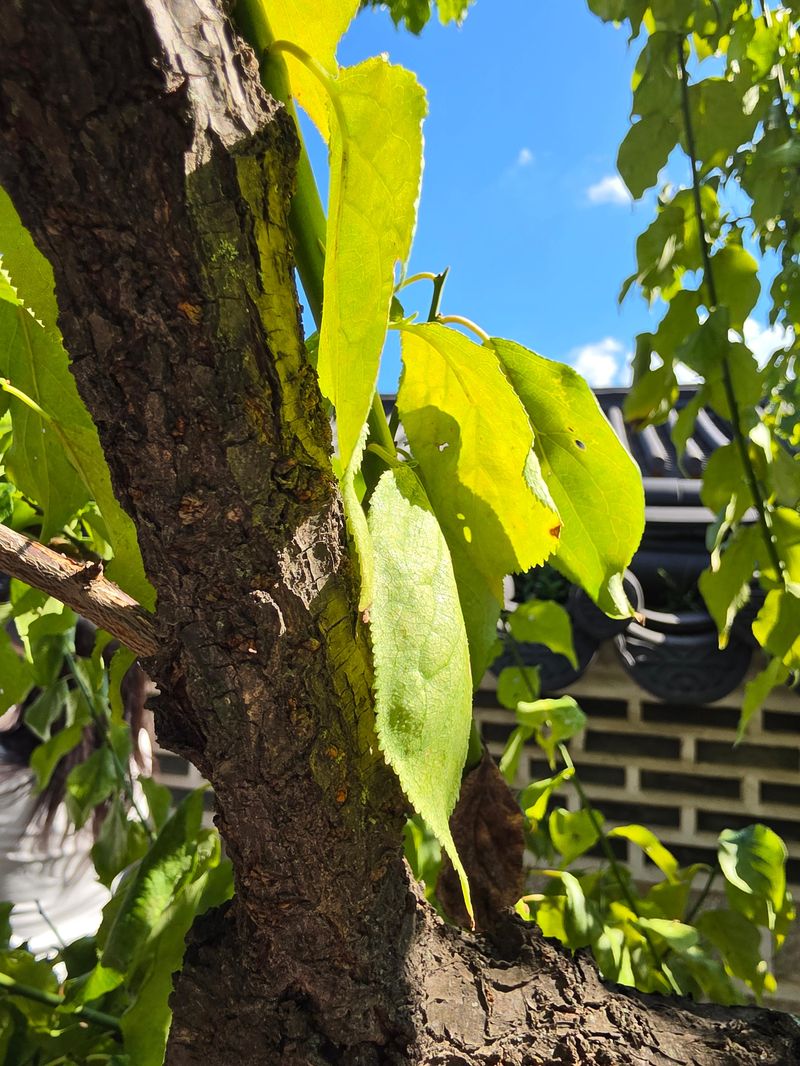
The phone is also the first in the Galaxy Z Fold series to feature a 50-megapixel ultrawide camera. It supports macro photography, allowing users to capture the texture of flowers, food, and small objects from extremely close distances.
When I brought the camera close to a leaf at the Changdeokgung Palace Complex, an icon indicating macro photography appeared, and the phone automatically switched from the existing wide-angle camera to the ultrawide camera. The resulting image clearly showed the leaf’s outline, fine veins, and surface texture. A Samsung Electronics representative explained, "When you bring the camera close to a subject, it automatically switches from the wide-angle camera to the ultrawide camera," adding, "The device handles the lens switch and framing adjustments on its own, so users do not need to learn a separate macro photography technique."
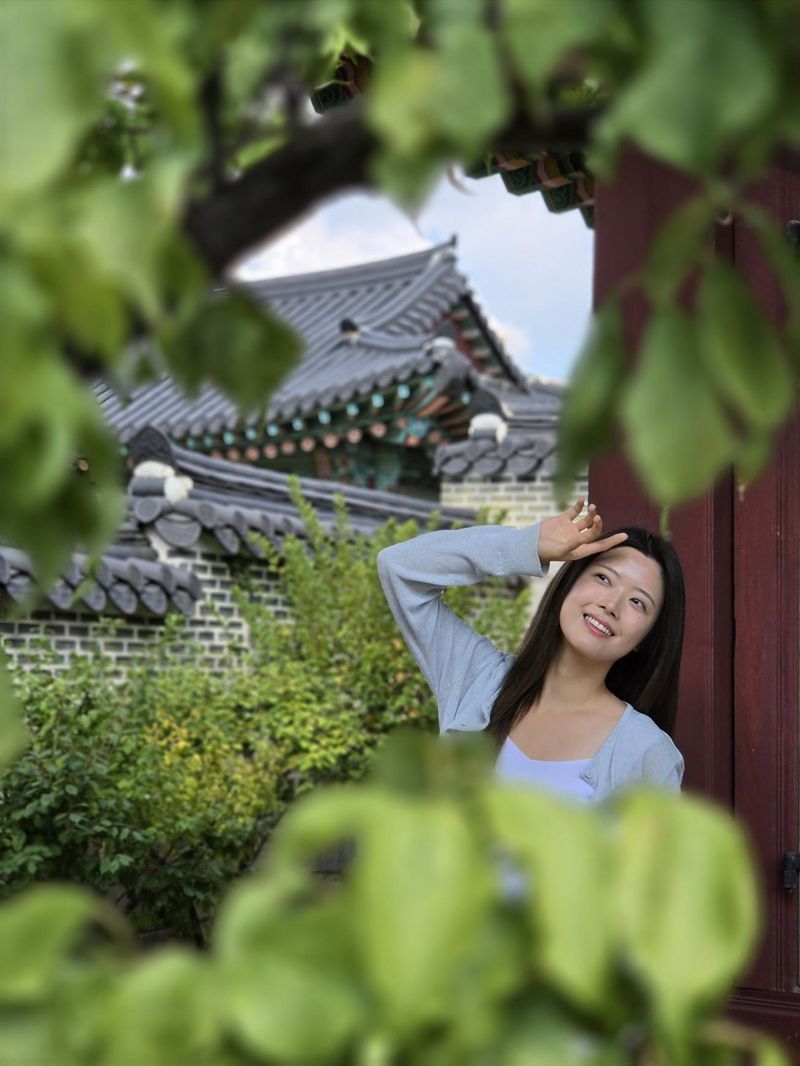
Portrait mode has also been improved. Instead of separating the person from the background and applying a uniform blur, the camera divides the distances of subjects within the scene into finer levels and applies the effect accordingly. A Samsung Electronics representative explained, "The number of levels used to distinguish depth in a scene has expanded from 60 to approximately 200 with the Galaxy Z Fold8 Ultra."
When a person was photographed against the buildings and trees of the Changdeokgung Palace Complex, the person remained sharp while the background was blurred to different degrees depending on distance. Nearby branches and distant buildings received different levels of blur, conveying the sense of distance between the person and the background.
Portrait results also varied depending on the lens selected. The 1x camera is suitable for capturing both the person and the surrounding scenery, while the 3x camera reduced facial distortion and created a compression effect that brought the background closer to the subject.
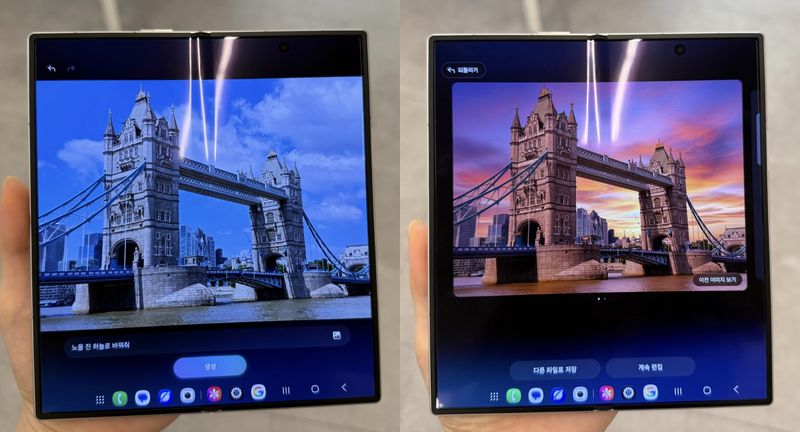
The generative AI-based Photo Assist feature, which lets users edit photos immediately after viewing them in the Gallery, was also convenient. After selecting a photo and entering prompts such as "Change it to a sunset sky," the phone generated an image with a changed background in about five seconds while preserving the original subject. Users can continue editing by entering additional prompts, such as adding background elements like an aurora or removing unwanted people.
After using the Galaxy Z Fold8 Ultra myself, I found its biggest strength to be the reduced need for manual operation: the camera switches automatically according to the shooting situation, and editing can continue on the device. A Samsung Electronics representative added, "Our goal is to help users achieve the best results whenever and wherever they take a photo, regardless of what they are photographing."
[email protected] Choi Hye-rim Reporter