MIYEON Says, "I’m Worried I Might Say Something Nonsensical"—What to Know Before a Sedated Endoscopy [Health Talk]
- Input
- 2026-09-04 05:00:00
- Updated
- 2026-09-04 05:00:00
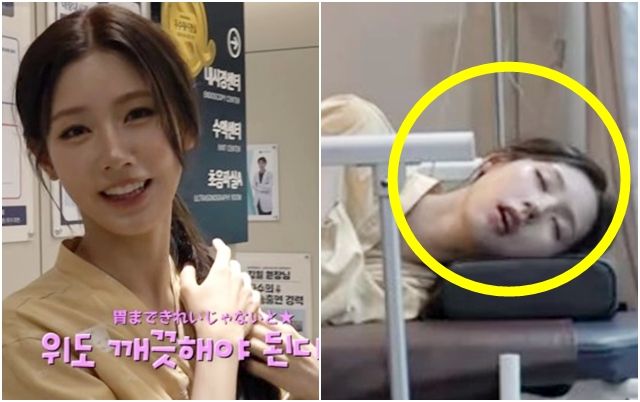
[Financial News] MIYEON of the group i-dle has revealed the process of undergoing her first health checkup since making her debut. She said the results showed no major abnormalities, although mild signs of esophagitis were detected. Attention is also turning to the importance of regular checkups and precautions before and after a sedated endoscopy.
In the first episode of the YouTube channel 'Evangelist,' released on the 1st, MIYEON was shown undergoing a health checkup. She said, "I’ve never had a health checkup since making my debut," adding, "It’s also my first time having an endoscopy, and I’m worried I might say something nonsensical."
During the medical history-taking process, she mentioned chronic fatigue, dry eyes, and frequent trips to the bathroom. After the examination, the attending specialist explained that, aside from mild signs of esophagitis, "There is some mild inflammation, but no major abnormalities."
The First Checkup: Medical History-Taking Matters
According to the Korea Disease Control and Prevention Agency’s National Health Information Portal, national health checkups are conducted based on criteria such as whether important health problems can be detected and treated early and whether the screening methods are easy for people to undergo. Common items in general health checkups include medical examinations and consultations, physical measurements, vision and hearing tests, blood pressure measurements, chest X-rays, blood tests, urine tests, and oral examinations.
Completing the medical questionnaire before a checkup is not merely a formality. Telling medical staff about usual fatigue, sleep patterns, urination frequency, abdominal pain, heartburn, medications, and family medical history can help them interpret the test results. The chronic fatigue, dry eyes, and frequent trips to the bathroom that MIYEON mentioned on the program can be assessed not only in relation to lifestyle and fluid intake but also alongside blood sugar levels, kidney function, and eye diseases.
However, a normal health-checkup result does not eliminate the possibility of every disease. A checkup is closer to a process for identifying risk factors that can be detected at the time. If symptoms recur or affect daily life, patients should seek medical attention regardless of their checkup results.
Avoid Eating Immediately After a Sedated Endoscopy
People facing their first sedated endoscopy, like MIYEON, may worry more about what they might say or do while sedated than about the procedure itself. Medically, however, the more important issues are fasting before the examination and recovery afterward.
According to the National Health Information Portal, an upper endoscopy directly examines the lining of the esophagus, stomach, and duodenum. Sedated upper endoscopy can reduce discomfort during the procedure, but patients should be accompanied by a guardian and get sufficient rest afterward.
Patients should also avoid eating while the effects of anesthesia or sedation have not completely worn off. Eating before the effects have fully subsided can cause food to enter the airway, leading to choking or aspiration pneumonia. Driving or scheduling important activities on the day of the examination should also be adjusted according to the medical staff’s instructions.
If Esophagitis and Heartburn Recur, Review Your Lifestyle
As in MIYEON’s results, mild signs of esophagitis may sometimes be detected. Esophagitis can result from various causes, including acid reflux, medications, and infections. A common condition, gastroesophageal reflux disease (GERD), occurs when stomach contents flow back into the esophagus, causing symptoms such as heartburn and acid regurgitation.
Treatment for GERD aims to relieve symptoms, treat esophagitis, prevent recurrence, and avoid complications. Seoul National University Hospital’s medical information also identifies obesity, smoking, and alcohol consumption as risk factors for reflux esophagitis and explains that these factors can worsen symptoms.
However, not everyone with signs of esophagitis requires the same treatment. Management varies depending on the severity of symptoms, endoscopic findings, medications, and eating habits. People who eat late-night meals, overeat, drink alcohol, smoke, or lie down immediately after eating should check whether these habits are causing recurring symptoms and follow medical guidance while making appropriate treatment and lifestyle adjustments.
[email protected] Han Seung-gon Reporter