Fed Governor Waller Says “Rates to Stay on Hold Unless Inflation Surprises” as September Rate Calculations Grow More Complicated
- Input
- 2026-09-03 22:06:52
- Updated
- 2026-09-03 22:06:52
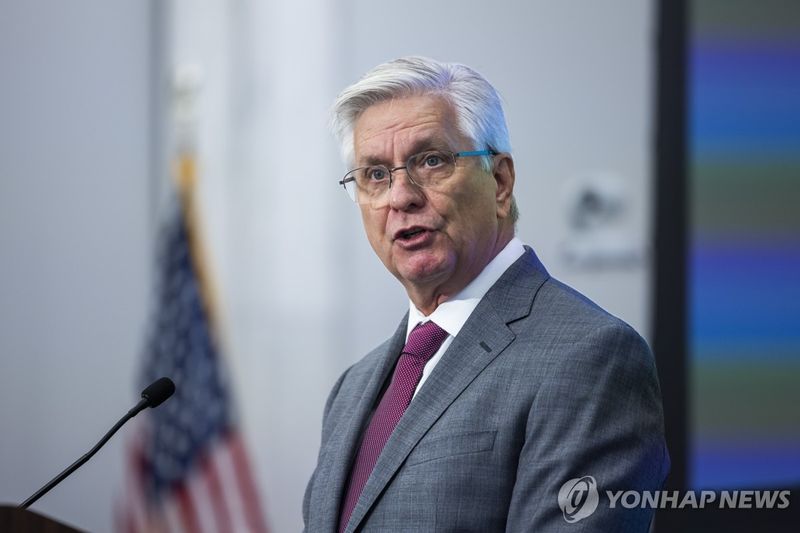
In a Reuters interview on the 3rd local time, Waller said, “If the data released over the next two weeks continue to show the current trend, I will lean toward supporting keeping the federal funds rate target range at its current level.”
Waller acknowledged that inflation is currently “meaningfully above” the Fed’s 2% target. However, he assessed recent price trends by saying, “We are finally seeing some signs of disinflation.”
In particular, he said the impact of tariffs on prices had been more limited than expected and that higher energy prices had not spread significantly across the broader economy. Headline inflation was 3.7% in July, while core inflation stood at 3.3%. Waller nevertheless assessed that the underlying inflation trend was “better than what the core inflation measures show.”
He cited short-term inflation trends as evidence. Based on the inflation measure preferred by the Fed, the three-month annualized inflation rate fell from 4.76% in February to 3.05% recently. Waller said, “That is a substantial improvement, and the speed of the decline is encouraging.” He argued that it is difficult to determine the current direction of inflation based solely on year-over-year inflation rates.
Waller did not completely rule out the possibility of a rate hike, however. He said current monetary policy is “slightly restrictive” for aggregate demand and added, “If inflation accelerates even a little, I could move toward supporting a more restrictive policy.” He further said that if the August inflation data show evidence that progress toward 2% has been reversed, “we may need to make a modest adjustment to the policy stance.”
Waller’s remarks contrasted with those made last week by Fed Chair Warsh at the Jackson Hole Economic Policy Symposium. Warsh assessed that the recent slowdown in monthly inflation “does not show that the underlying inflation trend has improved meaningfully.” He also said that if price trends do not move as the Fed expects, “there is work for us to do.”
Financial markets interpreted those comments as a hawkish signal and quickly priced in the possibility of a September rate hike. But after Waller said he would support keeping rates unchanged if inflation continues to ease, the divergence of views within the Fed ahead of the September FOMC meeting became clearer.
As a result, markets are expected to focus closely on next week’s August CPI and PPI reports. Continued easing in inflation could strengthen the case for keeping rates unchanged, while evidence of renewed acceleration could again raise the possibility of an additional Fed rate hike.
[email protected] Correspondent Lee Byung-chul Reporter